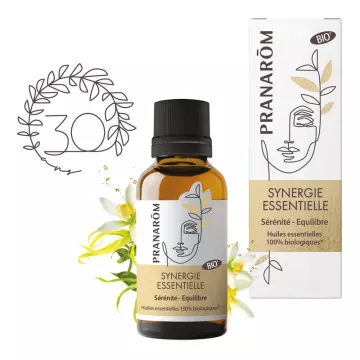
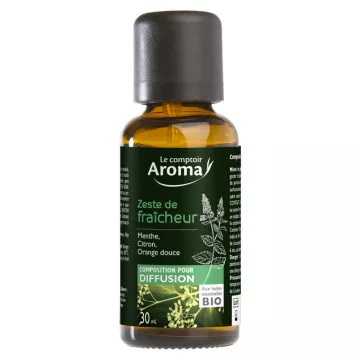
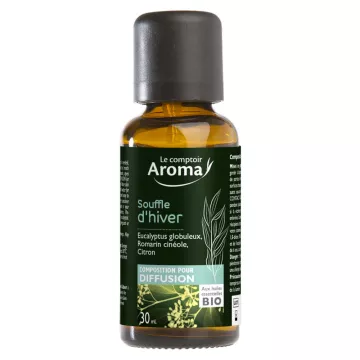
In phytotherapy and aromatherapy, a synergy refers to the deliberate combination of several active ingredients whose combined effect exceeds the sum of their individual effects—the principle of potentiation. Essential oil synergies are formulated by aromatherapists who combine oils with complementary or convergent properties for a specific condition. A relaxing synergy might combine true lavender (linalool, linalyl acetate—sedative), ylang-ylang (benzyl acetate—anxiolytic), and bergamot (linalool, limonene—mild antidepressant) to provide a more comprehensive soothing effect than each oil alone. These blends are packaged in multi-dose bottles (10 to 30 ml) for use in room diffusion, diluted massage, or inhalation, depending on their intended use.
Relaxing essential oils act primarily through the sense of smell—volatile aromatic molecules activate the olfactory receptors in the olfactory bulb and trigger a cascade of signals to the limbic system (amygdala, hippocampus, hypothalamus), which regulates emotions, stress, and sleep. True lavender (Lavandula angustifolia, linalool 35–50% and linalyl acetate 30–45%) is the most scientifically well-documented essential oil—it positively modulates GABA-A receptors and reduces salivary cortisol levels. In blends designed to promote serenity and balance, it is often combined with marjoram (terpinene-4-ol, a parasympathomimetic), petitgrain bigarade (antispasmodic), and Roman chamomile (angelic esters, deeply calming).
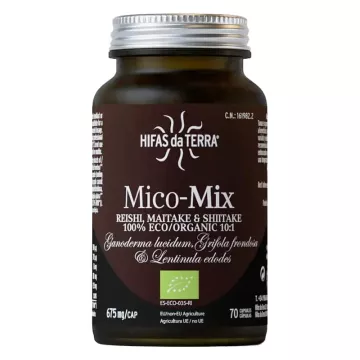
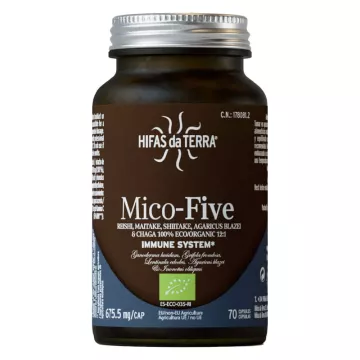
Mycotherapy is based on beta-glucans (polysaccharides found in the cell walls of mushrooms) that activate macrophages, NK cells, and T lymphocytes. Medicinal mushroom blends combine several species with complementary properties:
These formulas are recommended for preventive immunity, chronic fatigue, and as natural supplements to support the body during periods of immune vulnerability.
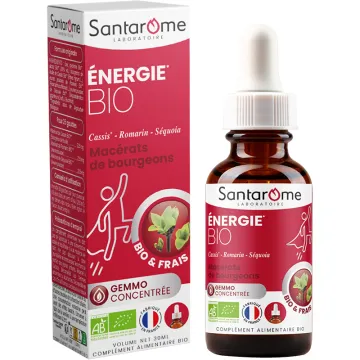
Gemmotherapy uses glycerin macerates of buds and young shoots—meristematic tissues (in active growth) contain the highest concentrations of growth factors, plant hormones, and vitamins. Gemmotherapy energy complexes typically combine grapevine buds (Vitis vinifera, an antioxidant and cellular anti-aging agent), black currant (Ribes nigrum, an adrenal stimulant—“natural cortisone”), rosehip (Rosa canina, an immunostimulant and concentrated vitamin C), and rosemary (a hepatoprotective agent and general tonic). These formulas have a profound effect on cellular homeostasis and major organ functions—unlike essential oils, which have a more targeted and rapid action. The combination of gemmotherapy and essential oils is sometimes recommended to achieve a synergistic effect that is both deep-acting (buds) and immediate (essential oils).
Winter blends combine oils with antiviral, antibacterial, immunostimulant, and respiratory decongestant properties.Eucalyptus radiata (1,8-cineole, expectorant and antiviral), Scots pine (α-pinene, decongestant), ravintsara (predominantly 1,8-cineole, immunostimulant), and thymol-rich thyme (powerful antibacterial) form the foundation of winter immunity blends. When diffused into the air (20 to 30 minutes per hour at most), they purify indoor air and stimulate the mucosal defenses. Bergamot (linalool, furocoumarins) is sometimes added for its antidepressant properties and to freshen the scent of indoor spaces in winter.
Choosing a blend depends on precisely identifying your need: relaxation and stress management (blends with lavender, marjoram, petitgrain bigarade), immunity and winter resilience (medicinal mushrooms + antiviral essential oils), energy and vitality (gemmotherapy + plant adaptogens), indoor air purification (antiseptic essential oils in a diffuser). Ready-to-use blends simplify the use of aromatherapy—they prevent dosing errors and ensure therapeutic consistency among the combined oils. It is important to check the specific contraindications for each essential oil in the blend (pregnant women, infants, people with epilepsy, and those with asthma) and to always follow the recommended methods of administration. Bergamot, found in many wellness blends, is photosensitizing if applied to the skin before sun exposure—formulas used in a diffuser or diluted for massage under clothing do not pose this risk.