
Skin swelling can result from a wide variety of mechanisms. Allergic reactions, inflammation, and infections are among the most common causes, leading to a buildup of fluid in the tissues—a condition known as edema. Circulatory disorders, such as venous insufficiency, lead to gradual fluid retention in the limbs. Finally, more serious conditions—such as kidney, heart, or liver failure—can also manifest as skin swelling, which requires prompt medical evaluation.
The signs vary depending on the cause, but the clinical presentation of skin swelling has some recognizable constants: a visible increase in the volume of the affected area, a sensation of tightness or heaviness, and skin that is sometimes red, warm, and tender to the touch. A fever or a change in overall health associated with swelling should be cause for immediate concern, as it may indicate an infection or a systemic reaction.
Treatment always targets the identified cause. Allergic swelling responds to antihistamines; a confirmed skin allergy may also require corticosteroid creams to control local inflammation. Bacterial or fungal infections require prescription antibiotics or antifungals. In cases of circulatory problems, diuretics help eliminate excess fluid accumulated in the tissues.
Prevention relies on managing trigger factors. Limiting salt intake reduces the tendency toward fluid retention, while a balanced diet and adequate hydration help maintain the body’s fluid balance. People prone to allergic reactions should identify and avoid their allergens. Maintaining regular physical activity supports venous and lymphatic circulation, thereby limiting fluid buildup in the limbs.
Certain symptoms require immediate medical attention: sudden and severe swelling, difficulty breathing, confusion, or a high fever accompanied by swelling. If the swelling persists for several days, spreads, or is accompanied by a general deterioration in health, a healthcare professional must assess the situation to rule out any serious underlying causes.
Several lifestyle habits can exacerbate existing skin swelling. Prolonged exposure to heat or sunlight dilates blood vessels and promotes fluid leakage into the tissues. Excessive salt or alcohol intake worsens fluid retention, as does a sedentary lifestyle, which impairs venous return. People with thyroid disorders or diabetes are more susceptible to these conditions and should follow medical recommendations tailored to their specific situation.
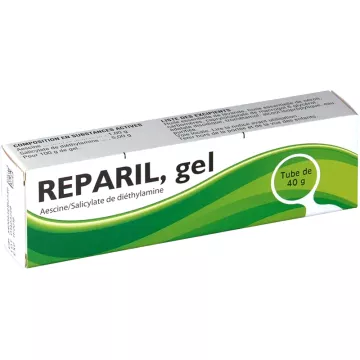
Some natural remedies offer additional relief when used alongside medical treatment.Arnica montana, known for its anti-inflammatory properties, can be applied as a gel or cream to swollen and painful areas.Witch hazel, a natural vasoconstrictor, helps reduce local swelling and tone the tissues. Cold compresses applied to the affected area also help limit fluid buildup. These approaches should always be approved by a healthcare professional, especially if you are currently taking medication.
Diagnosis begins with a thorough physical examination: the doctor palpates the swollen area, assesses the depth and consistency of the swelling, and reviews the patient’s history of symptoms. Blood tests, allergy tests, or imaging studies—such as ultrasound or X-rays—then help identify the underlying cause and rule out more severe systemic conditions.
Persistent skin swelling affects both physical comfort and emotional well-being. Pain, heaviness, and cosmetic discomfort limit mobility and disrupt daily activities. For people with heavy legs, recurrent swelling can also interfere with sleep and the ability to stand for long periods. Prompt treatment reduces these impacts and significantly improves quality of life.
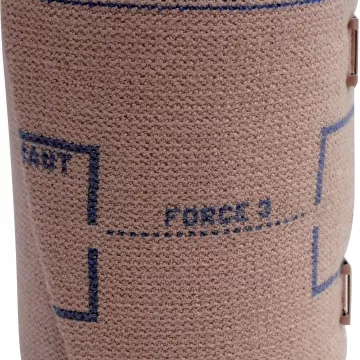
Cabin pressure and prolonged inactivity promote fluid retention and swelling in the lower limbs during flights. Getting up regularly, walking down the aisle, and doing a few stretches help stimulate venous return. Wearing compression stockings provides effective mechanical support. Staying well-hydrated with water throughout the flight—while limiting coffee and alcohol, which have counterproductive diuretic effects—usefully complements these preventive measures.