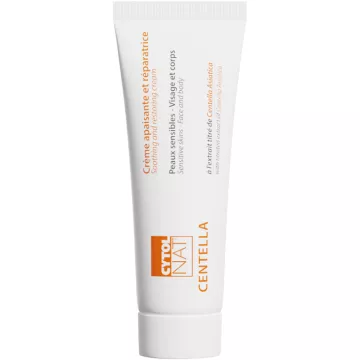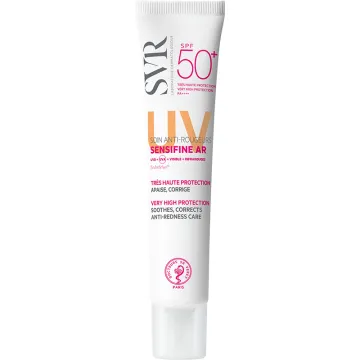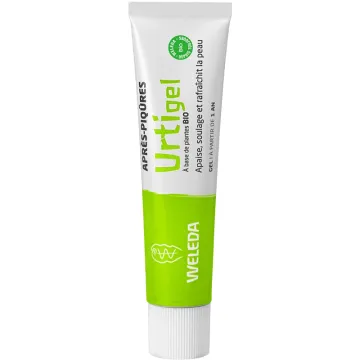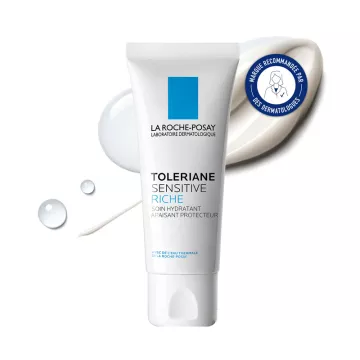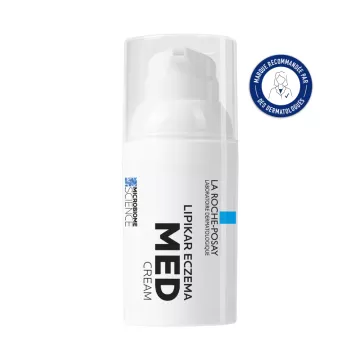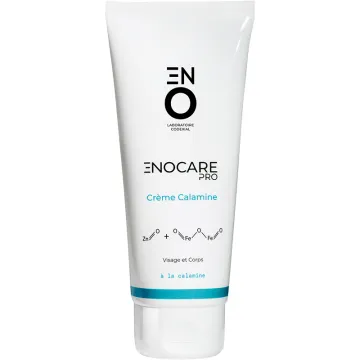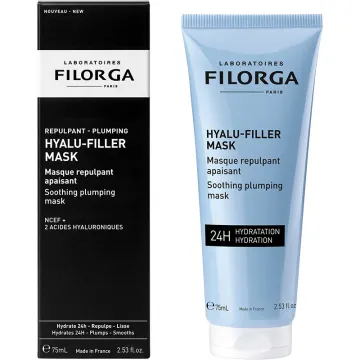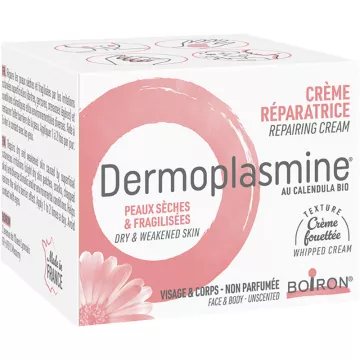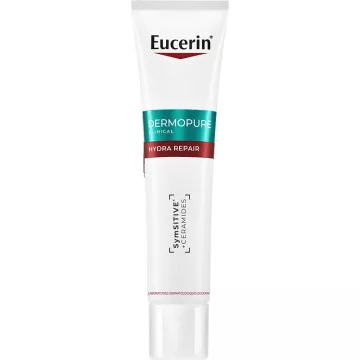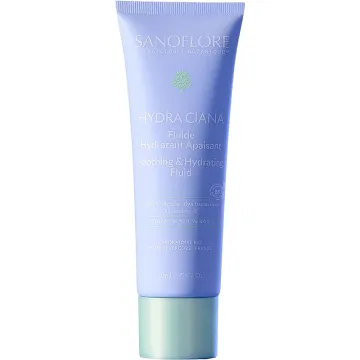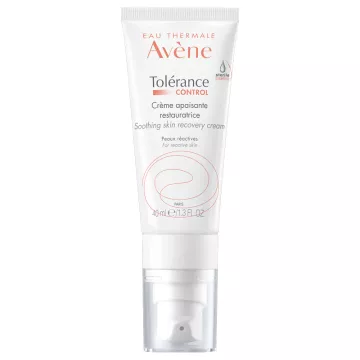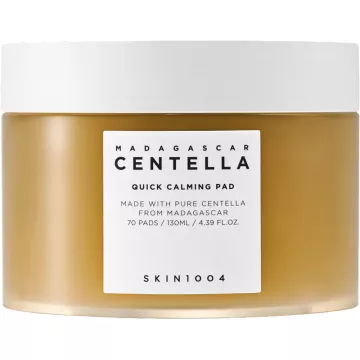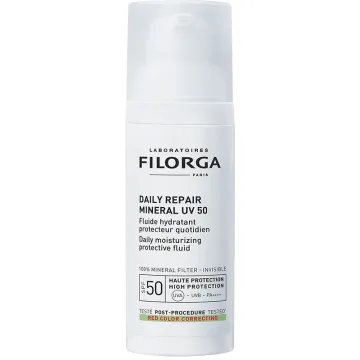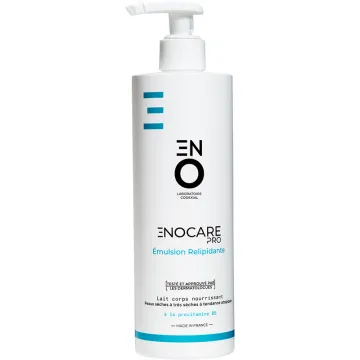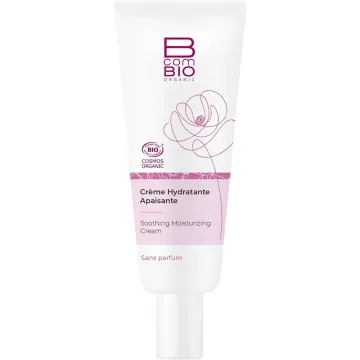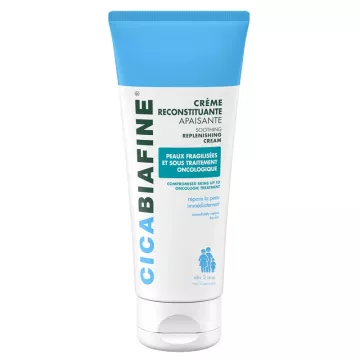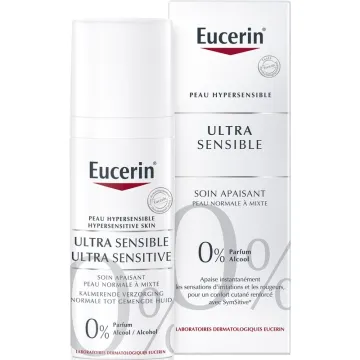
A soothing cream is a cosmetic product designed to calm redness, relieve discomfort, and support skin prone to irritation.
It combines active ingredients with proven soothing properties: aloe vera, bisabolol, allantoin, panthenol (provitamin B5), thermal water, or chamomile.
These ingredients work together to reduce feelings of tightness, tingling, or skin warmth, without further irritating already sensitive skin.
Important: Cosmetic soothing creams do not contain corticosteroids. Dermal corticosteroids (hydrocortisone, betamethasone, etc.) are separate dermatological medications, available only with a pharmacist’s advice or a doctor’s prescription, and their use must be closely monitored and limited in duration.
Soothing cream is particularly suitable for sensitive, dry, reactive, or easily irritated skin.
It provides additional support for people with certain skin conditions such as eczema, rosacea, or psoriasis; for these conditions, explore our dedicated eczema section.
It is also useful for relieving discomfort caused by cold weather, wind, dry air, or repeated exposure to urban pollution.
For the most delicate skin types, browse our sensitive skin section and choose a product based on your specific needs; if you have a chronic skin condition or are experiencing a flare-up, consult a dermatologist to confirm your choice.
An effective soothing cream combines several families of active ingredients with complementary functions:
To get the most out of your soothing cream, apply it to clean, gently patted-dry skin.
Use gentle, patting motions to help the cream absorb, without rubbing vigorously, which could aggravate skin discomfort.
Applying it twice a day (morning and evening) provides continuous protection and soothes sensitive skin throughout the day.
In the event of a localized flare-up of irritation, feel free to reapply the cream as needed to the affected area.
Even the gentlest soothing creams can cause a reaction in highly reactive skin.
Always perform a patch test on the inside of your elbow 48 hours before your first full application, especially if you have a history of allergies.
Avoid formulas containing fragrances, concentrated essential oils, or unnecessary dyes, which can irritate already sensitized skin.
If irritation persists, symptoms worsen, or you suspect an underlying condition, consult your pharmacist or a dermatologist, who will guide you toward appropriate treatment.
Moisturizing and soothing creams serve distinct but complementary cosmetic purposes.
A moisturizer’s primary purpose is to increase the skin’s water content and limit transepidermal water loss through the skin barrier.
A soothing moisturizer is specifically formulated to calm irritated skin, reduce redness, and alleviate feelings of discomfort.
Many skincare products now combine both actions—hydration and soothing—making them particularly suitable for skin that is both dry and sensitive.
Soothing creams are generally safe for use on both the face and body, provided the formula is suitable for the intended area.
Products formulated for the face are generally lighter, less oily, and designed to respect the delicate nature of this area.
Body creams have richer textures, suited for larger areas and less exposed parts of the body (arms, legs, back).
Always check the manufacturer’s instructions; if in doubt, ask your pharmacist for advice on whether a product is suitable for both the face and body.
Soothing creams can be beneficial for children, particularly in cases of skin discomfort related to eczema or sensitive skin.
Be sure to choose products specifically formulated for children’s delicate skin—fragrance-free, alcohol-free, and hypoallergenic.
For infants and young children, it is recommendedto consult a pediatrician or pharmacist before introducing a new skincare product into their daily routine.
In cases of extensive, oozing, secondarily infected, or persistent skin lesions, consult a doctor for diagnosis and treatment guidance.
The effectiveness of a soothing cream is measured by how skin symptoms change over the course of use.
Monitor the gradual reduction of redness, sensations of heat, tightness, and itching over 7 to 14 days of regular use.
A suitable cream should improve skin comfort without causing any additional reactions or worsening symptoms.
If there is no improvement or if you experience an adverse reaction, consult a dermatologist, who can assess the cause of the discomfort and recommend a personalized treatment plan.
Soothing creams are generally formulated to be well-tolerated and to minimize the risk of skin reactions.
As with any cosmetic product, individual allergic reactions or sensitivities to certain ingredients are still possible.
Signs to watch for include rashes, itching, a burning sensation, increased redness, localized swelling, or the appearance of patches.
If any of these symptoms appear, stop using the product immediately, rinse the area with clean water, and consult a healthcare professional (pharmacist, doctor, or dermatologist), who will recommend an appropriate solution.