There are two main types of nail polish removers, which differ in their chemical composition and how they affect the nail. The choice depends on the type of polish you’re removing, how often you use it, and the sensitivity of your damaged nails.
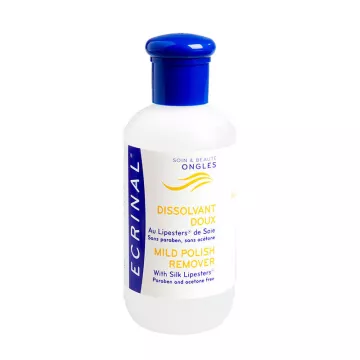
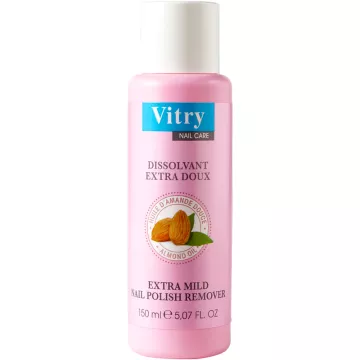
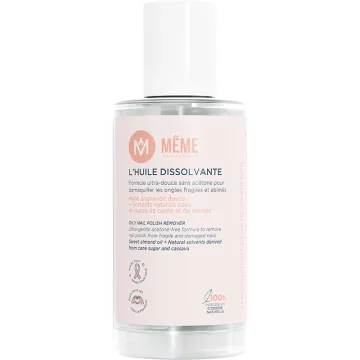
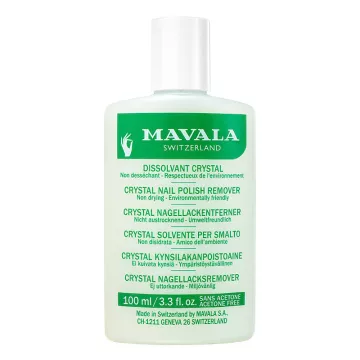
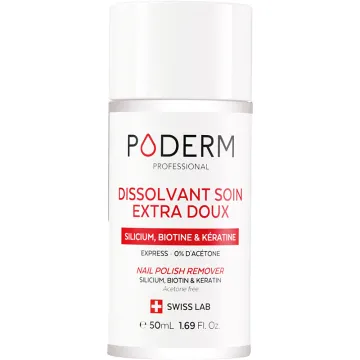
Acetone-based removers are very effective and quickly dissolve polish, including stubborn gel or semi-permanent polishes. The downside is that they can dry out the nail plate and the skin around the nails, especially with frequent use. Acetone-free nail polish removers, formulated with gentler solvents (ethyl acetate, propylene carbonate), are less harsh and better tolerated by fragile nails and sensitive skin, though they take slightly longer to work. The complete selection of manicure accessories can be found in the nail care category, along with nail polish products.
A gentle, systematic technique preserves the health of the nail plate and the surrounding skin. How you use the product matters just as much as the product itself.
Five recommended steps. Moisturize your hands and nails a few minutes before starting, using a standard hand cream. Soak a cotton ball or pad with an adequate amount of nail polish remover—without using too much. Place the cotton pad on the nail and let it sit for a few seconds so that the nail polish remover can soften the polish without aggressive rubbing. Gently wipe toward the tip of the nail in a single motion to avoid spreading the polish onto the skin or neighboring nails. After completely removing the polish, wash your hands with warm water and mild soap, then apply a restorative hand cream or nail oil (jojoba oil, sweet almond oil, castor oil) to restore moisture. The manicure selection includes useful products.
The use of nail polish removers raises some health and environmental concerns that are often overlooked. Understanding them allows for more responsible use.
Acetone is a volatile solvent classified as a Volatile Organic Compound (VOC) that contributes to indoor air pollution when used repeatedly in enclosed spaces. In the short term, prolonged inhalation can cause headaches, eye irritation, respiratory irritation, or skin irritation in sensitive individuals. Acetone-free nail polish removers, while gentler, still contain other organic solvents that may be volatile; use in a well-ventilated area is still recommended. From an environmental perspective, the production and disposal of these products fall under the special household waste category for used bottles and residues. Choosing smaller sizes and limiting use to what is actually needed helps reduce the environmental footprint of your manicure routine.
For users who wish to limit their exposure to chemical solvents, a few alternatives exist. However, none of them match the effectiveness of a traditional nail polish remover on stubborn polish.
Solutions made with orange or lemon oil, when applied and left on for an extended period, can gradually soften the polish thanks to their limonene content—provided you’re willing to wait longer.Isopropyl alcohol (rubbing alcohol, pharmaceutical grade) can serve as a substitute for standard, less durable nail polish, though it is ineffective on gel or semi-permanent polish. Some certified organic formulas based on natural ingredients (soy extracts, corn derivatives, wheat derivatives) have appeared on the market: they offer a gentler, more eco-friendly alternative, though their effectiveness varies depending on the type of nail polish being removed. Important precaution: “natural” does not mean “safe without precautions.” Always perform a patch test on a small area and work in a well-ventilated space.
Fragile, split, or sensitive nails require removers specifically formulated to minimize drying and preserve nail keratin. A few criteria can guide your choice.
Opt for acetone-free nail polish removers enriched with moisturizing agents: glycerin, sweet almond oil, castor oil, jojoba oil, argan oil, and panthenol. Look for formulas containing vitamins E and C, which are known for their antioxidant properties and protective effects on keratin. Before application, apply a thin layer of protective oil to the skin around the nails (cuticle oil or plain sweet almond oil) to limit direct contact with the remover. After the session, apply a specialized strengthening treatment to reinforce brittle nails and complete your nail care routine. Space out sessions by at least a few days to allow the nail plate to repair itself naturally.
Proper storage preserves the nail polish remover’s effectiveness and minimizes the risk of degradation. Volatile solvents are sensitive to storage conditions.
Four essential rules. Store in a cool, dry place, away from direct sunlight, which can alter the chemical composition. Close the bottle tightly after each use to prevent solvent evaporation (which reduces effectiveness) and contamination by impurities. Keep away from any source of heat or open flame: most nail polish removers are flammable, and some are even highly flammable. Store away from heating appliances and never smoke during or immediately after use. Use within a reasonable timeframe—ideally within one year of opening—to ensure optimal performance. Any change in color, odor, or consistency should prompt you to dispose of the product as special waste.
Using nail polish remover on artificial nails requires special care. The choice of formula directly affects the longevity of the application.
Acrylic, gel, or extension nails can be damaged by acetone-based removers: acetone partially dissolves the resin or adhesive and can cause the application to come off in a matter of minutes. For the permanent removal of an acrylic or gel set, acetone is intentionally used by the nail technician in a controlled setting. To remove nail polish applied to artificial nails that you wish to keep, use only an acetone-free nail polish remover specifically formulated to preserve the integrity of the artificial nail. Always test on a single nail before applying to the entire hand to ensure there is no discoloration or lifting. If in doubt, consult the nail technician who applied the nails.
Very frequent use of nail polish remover can have consequences for the health of your skin, nails, and respiratory tract. It’s important to be aware of some potential side effects.
Dryness and weakening of the nails and the skin around the nails are the most common effects, particularly with acetone-based formulas. The nail plate becomes brittle, splits, and is more susceptible to microtrauma. Skin irritation, contact dermatitis, and allergic reactions may occur in people with atopic or sensitized skin.Repeated inhalation of vapors in a poorly ventilated area can cause headaches, respiratory irritation, dizziness, or nausea, particularly in pregnant women and children in the vicinity. To minimize these risks, work in a well-ventilated area, space out nail removal sessions, opt for gentle formulas, ensure proper moisturization after the session, and avoid prolonged use in the presence of children or sensitive individuals.
The characteristic odor of nail polish remover is often unpleasant. A few simple steps can reduce it and make the process more comfortable.
Use the product in a well-ventilated area: open a window, use a fan directed outside, and never work in a closed bathroom. Choose newer, low-odor formulas or those lightly scented with a subtle fragrance that masks the smell of solvents. After use, wash your hands with mild soap, then apply a scented hand cream or a few drops of lavender essential oil to your cuticles to neutralize any lingering odor. Ventilate the room for at least 30 minutes after the session to completely clear the fumes. Close the bottle immediately between uses during the same session to limit the spread of odor.
Using nail polish removerwisely conserves the product and limits exposure to solvents. A few simple tools and habits make all the difference.
Use a cotton swab instead of a large cotton pad for precise touch-ups or along the edges of the nails: this significantly reduces the amount of product absorbed. Opt for bottles with pump dispensers, which deliver a precise dose per press and minimize waste from evaporation caused by repeated opening. Group removal sessions together: do all ten nails in one session rather than several partial sessions, which reduces the total amount of nail polish remover used. Do not reuse cotton pads saturated with pigment, as they spread color onto clean nails instead of removing it. For occasional use, opt for individual pre-moistened wipes that contain just the right amount and minimize loss through evaporation.