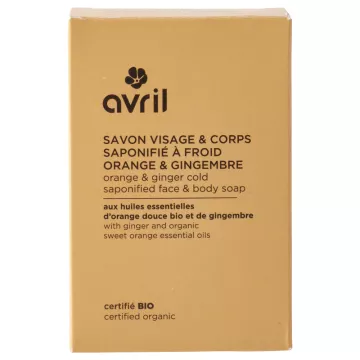
What is a bar of soap?
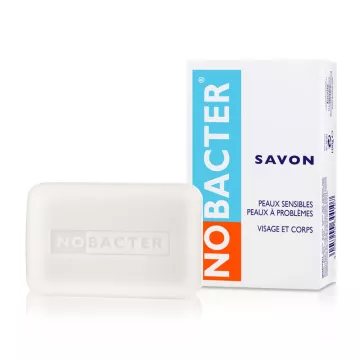
A traditional bar of soap is made through saponification—a chemical reaction between an oil or fat and a base (soda ash or potash). The resulting product is soap in the chemical sense of the term. It differs from solid syndet (soap-free soap) in its composition and pH.
- Traditional bar soap: naturally alkaline pH (8–10)—true soap—may disrupt the skin’s microbiome and alter the hydrolipidic film on sensitive skin
- Cold-processed soap bar: same chemistry as above, but the low-temperature process preserves the active ingredients in the unsaponified (unsaponifiable) oils—superior sensory quality, naturally moisturizing
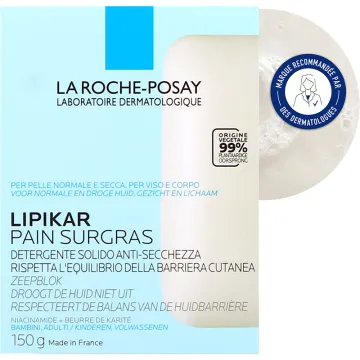
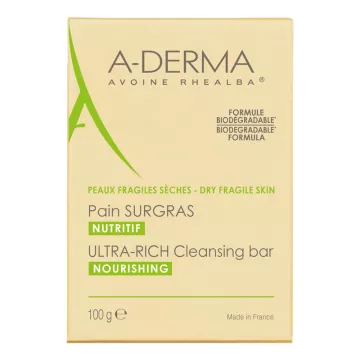
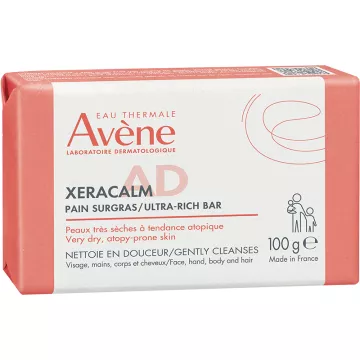
- Solid syndet (synthetic detergent): no saponification — pH controlled at 5.5 — mild plant-based surfactants — without the drawbacks of an alkaline pH — see our solid soap page
- On the label: a traditional bar of soap lists “sodium [oil] saponifyate” or “sodium olivate”—a syndet lists “sodium lauryl glucoside” or “sodium cocoyl glutamate” without any mention of saponification
Which bar of soap should you choose based on your skin type?
The soap bar’s formulation makes all the difference—not just the oils used.
- Dry skin: cold-processed superfatted bar of soap—the superfat is the unsaponified oil fraction that remains in the soap—provides superior hydration and softness compared to industrial soap
- Normal skin: plant-based soap bar made with olive or coconut oil—long-lasting, reasonable pH if well-formulated
- Oily and acne-prone skin: soap bars with green clay or activated charcoal—regulates sebum and purifies—opt for a clay-based syndet for very sensitive skin
- Very sensitive or atopic skin: Avoid traditional bar soaps (alkaline pH is too harsh) — opt for a solid syndet or a superfatted cleansing gel
Traditional bar soap vs. syndet: which is truly better for the skin?
The honest answer: solid syndet is objectively gentler on the skin barrier for most skin types—but cold-processed artisanal bar soap remains a valid option for normal skin that tolerates it well.
The alkaline pH of traditional soap (9–10) temporarily raises the skin’s pH and can disrupt the skin’s acid mantle. For resilient skin types, the pH quickly returns to normal. For sensitive, atopic, or reactive skin, this repeated disruption exacerbates skin problems. Syndet, on the other hand, maintains the skin’s physiological pH (5.5) with every use—without compromising on cleansing power.
How do you choose and store a high-quality bar of soap?
- Certifications: Cosmos Organic, Ecocert, Nature et Progrès—guarantee organic compliance and the absence of controversial ingredients
- "Cold-processed" label: superior artisanal quality—the unsaponifiable components of the oils are preserved
- Storage: A perforated soap dish is essential—the bar of soap must never be left soaking in water—it will last 2–3 times longer if stored properly
- Drying between uses: in a well-ventilated area, away from the shower — prevents bacterial growth on the surface of the bar
- See our personal care line