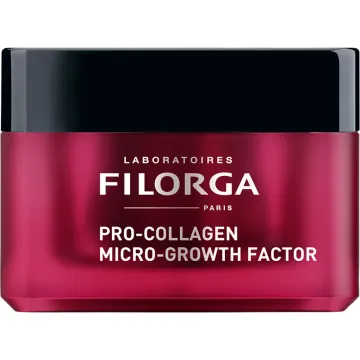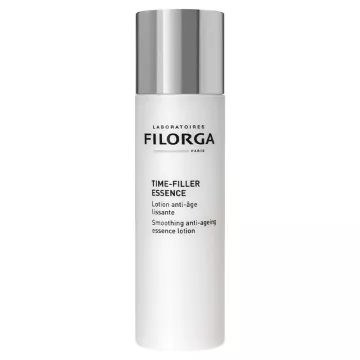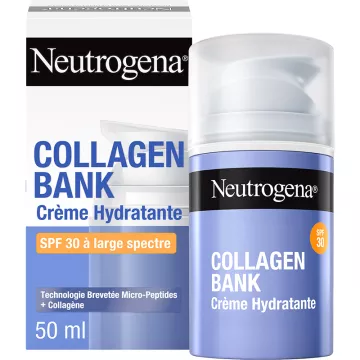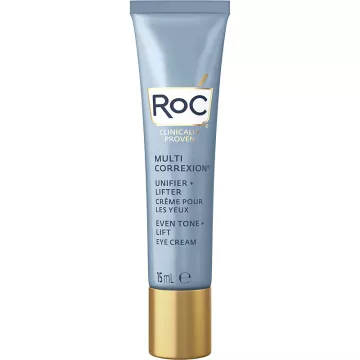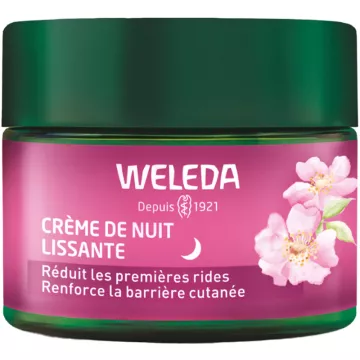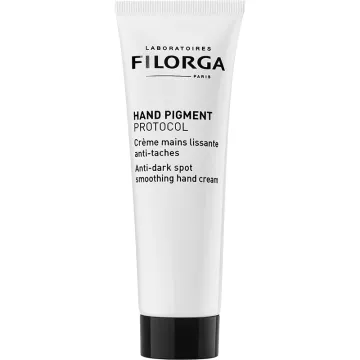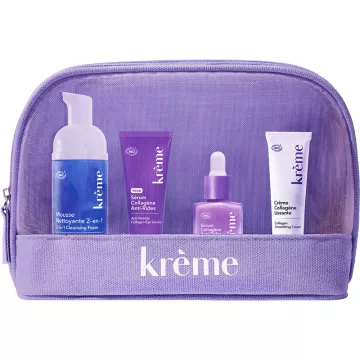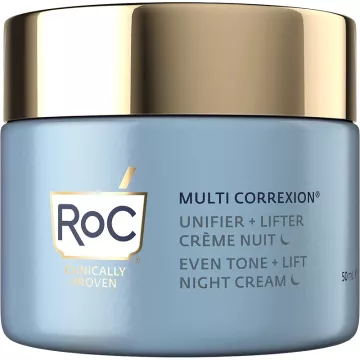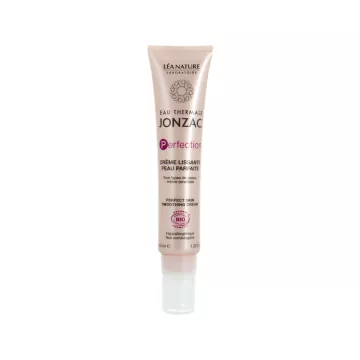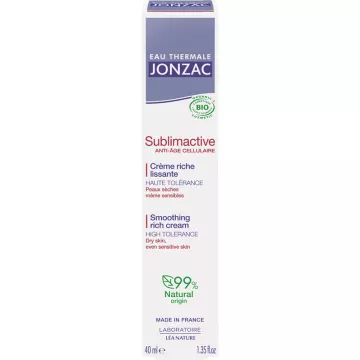
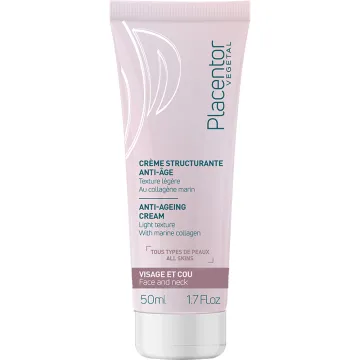
A smoothing face cream is a cosmetic product formulated to visibly improve the skin’s texture and radiance.
Enriched with peptides, antioxidants, and vitamins, it helps visually reduce imperfections, fine lines, and wrinkles for a more even complexion.
It works by providing deep hydration combined with active ingredients that visibly support the skin’s firmness and suppleness.
It fits perfectly into a structured anti-aging routine, complementing cleansing and sun protection.
The smoothing cream is particularly beneficial for skin showing signs of aging: fine lines, expression lines, and loss of firmness.
It’s also suitable for those looking to refine skin texture or minimize the appearance of enlarged pores.
People wishing to prevent the visible effects of skin aging (starting at age 25–30) can incorporate it into a preventiveskincare routine.
Regular use helps strengthen the skin’s overall resilience against daily environmental stressors.
A high-quality smoothing cream combines several active ingredients known for their cosmetic efficacy:
Incorporate your smoothing cream into your daily routine after cleansing and before applying sunscreen in the morning (or as the final step in your evening routine).
Apply a small amount to your face and neck, using gentle, circular motions to promote absorption and microcirculation.
If the cream contains retinol, apply it only at night and always follow up with an SPF 30 or higher the next day.
Avoid the eye area if the formula isn’t specifically formulated for this delicate, thinner skin.
With regular use, you’ll gradually notice a visible improvement in your skin’s texture.
Cosmetic benefits include the visible reduction of fine lines and superficial wrinkles, as well as a more radiant complexion day after day.
The skin gradually becomes smoother, more even, and visibly more radiant.
Results vary depending on skin type, age, and the specific formula of the product chosen.
As with any cosmetic product, skin reactions may occur, such as redness, irritation, or a tingling sensation—especially on sensitive skin.
Formulas containing retinol, AHAs, or exfoliating acids may cause an adjustment period characterized by peeling or temporary sensitivity.
Perform a patch test on the inner elbow 48 hours before first use, especially if you have allergic or highly reactive skin.
If you experience a persistent or severe reaction, discontinue use and consult a dermatologist.
The choice of a smoothing cream should be tailored to your skin type and personal tolerance.
Oily or combination skin types should opt for lightweight, non-comedogenic formulas or water-based textures that do not clog pores.
Dry skin benefits from creams richer in nourishing ingredients such as shea butter or argan oil.
Those with sensitive skin should look for products free of synthetic fragrances and denatured alcohol, enriched with soothing active ingredients (aloe vera, chamomile, panthenol).
It is still possible to use a smoothing cream on acne-prone skin if you choose a suitable formula.
Opt for non-comedogenic, dermatologically tested products that won’t clog pores.
Active ingredients like salicylic acid or niacinamide can help regulate the appearance of blemishes while smoothing the skin’s texture; for a targeted selection, also browse our acne section.
Salicylic acid is not recommended for pregnant or breastfeeding women; if you havemoderate to severe or persistent acne, consult a dermatologist before introducing a new active treatment.
A smoothing cream can sometimes replace a traditional moisturizer if it provides sufficient hydration in addition to its smoothing properties.
This depends mainly on the product’s formulation and your individual skin type.
If your skin remains comfortable and well-hydrated throughout the day, you can use it on its own.
If your skin feels tight or seems dry, combine the smoothing cream with a complementary moisturizer suited to your specific needs.
The time it takes to see results with a smoothing cream varies depending on the active ingredients and how your skin responds.
Generally, several weeks to a few months of regular use are needed to see visible improvements.
Formulas containing retinol may show results more quickly, typically within 4 to 12 weeks depending on the concentration.
Consistent application remains the key factor in achieving lasting benefits.
Several precautions are necessary to use a smoothing cream safely: