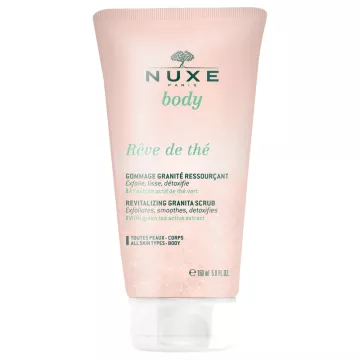
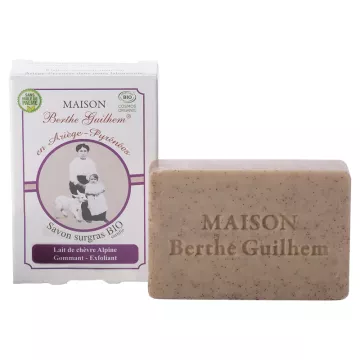
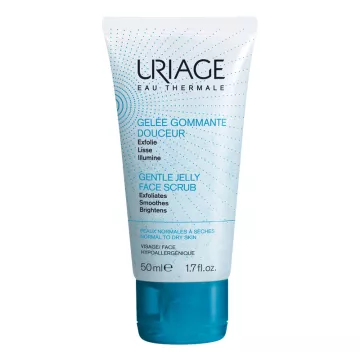
Skin exfoliation, also known as scrubbing, involves removing dead skin cells that have accumulated on the surface of the epidermis to reveal smoother, more even skin. This age-old practice underwent a revolution with the introduction of cosmetic acids in the 1990s, which expanded the range of approaches beyond just granular scrubs.
Today, three main categories coexist—mechanical, chemical, and enzymatic—each with its own indications, limitations, and impact on the skin barrier. Choosing the right approach begins with understanding what sets them apart, with a focus on respecting both the skin and the environment.
The technical distinction guides the choice:
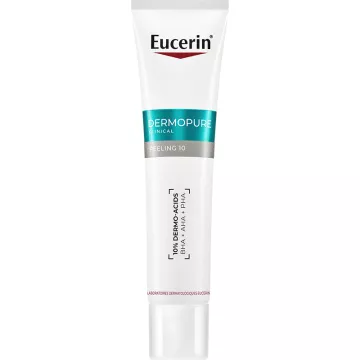
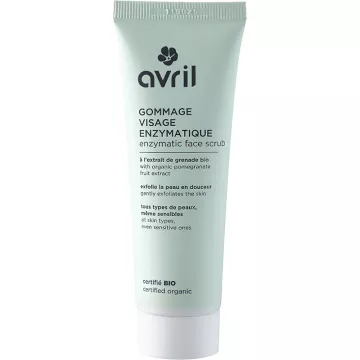
No single type is inherently superior; what matters is how well it suits your skin type. Oily, blemish-prone skin tolerates BHAs (chemical exfoliants) well; reactive skin prefers enzymatic exfoliation; normal skin benefits from alternating between the three depending on the season.
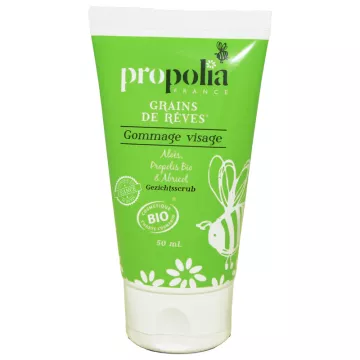
Environmental concerns have become a key factor in choosing an exfoliant. Plastic microbeads (polyethylene), long used in commercial exfoliants, have ended up in large quantities in the oceans, where they are ingested by marine life and accumulate in the food chain. Several countries—including France—have banned their use in rinse-off cosmetics since 2018. Manufacturers have switched to biodegradable particles: bamboo powder, coconut powder, finely ground fruit pits, jojoba wax microspheres, and cellulose beads. When purchasing, look for the label “biodegradable microbeads” or check the INCI list (look for “polyethylene” or “polypropylene” as abrasive particles = avoid). Chemical and enzymatic exfoliants do not pose this specific problem, but their overall composition should be examined with the same scrutiny (preservatives, fragrances).
The choice depends on your skin type:
Several common pitfalls can turn a beneficial skincare routine into a factor that weakens the skin. Mechanical over-scrubbing remains the primary culprit: applying too much pressure to the skin creates micro-injuries invisible to the naked eye but which cause long-lasting sensitivity. Overdoing the frequency is the second: exfoliating 3 to 4 times a week when you have normal skin disrupts the skin barrier without giving the skin time to repair itself. Combining multiple potent active ingredients in the same routine (exfoliator + retinol + AHA + concentrated vitamin C) almost always triggers an intolerance reaction.Sun exposure immediately after exfoliation is a third mistake: freshly exfoliated skin burns 2 to 3 times faster—hence the rule to reserve exfoliation for the evening and to always apply sun protection the next morning.
After each exfoliation, soothing, restorative ingredients help the skin regain its balance:
Skin is not uniform across the entire body, and the frequency of exfoliation should take this into account. The face requires a more measured approach than the body: 1 to 2 times a week on average, reduced to once every 10–15 days for sensitive skin. The neck and décolletage follow the same guidelines as the face because their skin is just as thin. On the body, the thicker skin can tolerate exfoliation twice a week, especially during seasons when tight-fitting clothing promotes the buildup of dead skin cells. Areas prone to spontaneous thickening (heels, elbows, knees) can be exfoliated 2 to 3 times a week, followed by immediate occlusive moisturization. Exfoliation is strictly prohibited around the eyes, regardless of frequency, due to the extreme thinness of the skin (0.5 mm). Adjusting your routine in winter (by reducing frequency) and in summer (exfoliating only in the evening, never before sun exposure) remains a useful habit for preservinga radiant complexion.
Cosmetic exfoliation has its limits—beyond that, certain conditions require a dermatological consultation. Persistent hyperpigmentation (melasma, established sunspots), pitted acne scars, deep wrinkles, or advanced photoaging derive only marginal benefit from at-home exfoliation. A dermatologist may then recommend medium-depth peels (trichloroacetic acid, TCA), laser treatments, microneedling, or injections, depending on the specific condition. A consultation is also necessary in cases of a persistent reaction after exfoliation (long-lasting redness, burning, post-inflammatory hyperpigmentation), if an underlying condition is suspected (rosacea, seborrheic dermatitis), or if a suspicious lesion appears (asymmetry, irregular edges, changes over time). The community pharmacist remains the first point of contact to guide patients toward an appropriate skincare routine and to flag situations requiring a specialist’s opinion.