Beautiful skin is a universal pursuit that transcends age and culture. In a world where personal image plays a central role, understanding and applying the fundamental principles of skincare has become essential.
What defines beautiful skin?
Beautiful skin is often seen as a reflection of overall health and well-being. Radiant, blemish-free, well-hydrated, and supple skin is generally associated with youth and vitality. Genetics play a role, but daily skincare, diet, hydration, and protection from harmful elements are just as crucial.
How can I improve my skin’s texture?
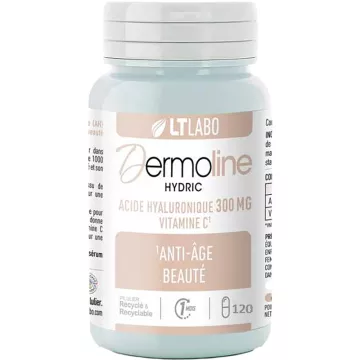
Improving your skin’s texture starts with a tailored skincare routine, including gentle yet effective cleansing, moisturizing suited to your skin type, andregular exfoliation to remove dead skin cells. Using products containing key ingredients such as hyaluronic acid, retinol, and vitamins C and E can also contribute to significant improvement.
What is the ideal skincare routine for beautiful skin?
An ideal routine to reveal your skin’s natural beauty includes:
How does diet affect skin health?
A diet rich in fruits, vegetables, lean proteins, and essential fatty acids provides the nutrients needed to maintain healthy skin. Antioxidants found in foods such as berries, nuts, and green tea can help combat free-radical damage, while water and hydrating fluids support the skin’s hydration and elasticity.
What factors can harm the skin’s beauty?
Several factors can compromise the skin’s beauty, including:
How can you protect your skin from external aggressors?
To protect your skin’s beauty from external aggressors, adopt the following habits:
How do I identify my skin type?
Identifying your skin type is crucial for choosing the right skincare products. The main skin types are: normal, dry, oily, combination, and sensitive. To determine your skin type, wash your face with a gentle cleanser, then wait an hour. If your skin feels tight, it’s probably dry. If it’s shiny, especially in the T-zone (forehead, nose, chin), you have oily or combination skin. If none of these conditions apply, your skin is normal. Redness and itching indicate sensitive skin.
Can the signs of aging be reversed?
Although it’s impossible to completely stop aging, it is possible to slow down its signs with a proper skincare routine and healthy lifestyle choices. Products containing antioxidants, retinol, hyaluronic acid, and peptides can reduce the appearance of wrinkles and improve skin elasticity. Daily sun protection is essential to prevent further damage.
How can you treat acne effectively?
Treating acne involves a skincare routine that regulates sebum production, removes dead skin cells, and fights bacteria. Use cleansers containing salicylic acid or benzoyl peroxide. Niacinamide-based lotions can reduce inflammation. In more severe cases, consult a dermatologist who can prescribe appropriate treatments, such as topical retinoids or antibiotics.
What ingredients should you avoid in skincare products?
Certain ingredients can be harmful or irritate the skin, including:
Choose products formulated without these ingredients to maintain healthy, beautiful skin.
Why is exfoliation important, and how do you do it correctly?
Exfoliation helps remove dead skin cells from the skin’s surface, promoting a more radiant complexion and improved texture. For sensitive skin, opt for gentle chemical exfoliants, such as lactic acid or glycolic acid, which dissolve the bonds between cells without physical scrubbing. Normal to oily skin can benefit from more robust exfoliants, such as fine-grained scrubs. Limit exfoliation to 1–2 times a week to avoid irritation.