When should you use this marine collagen powder for your skin?
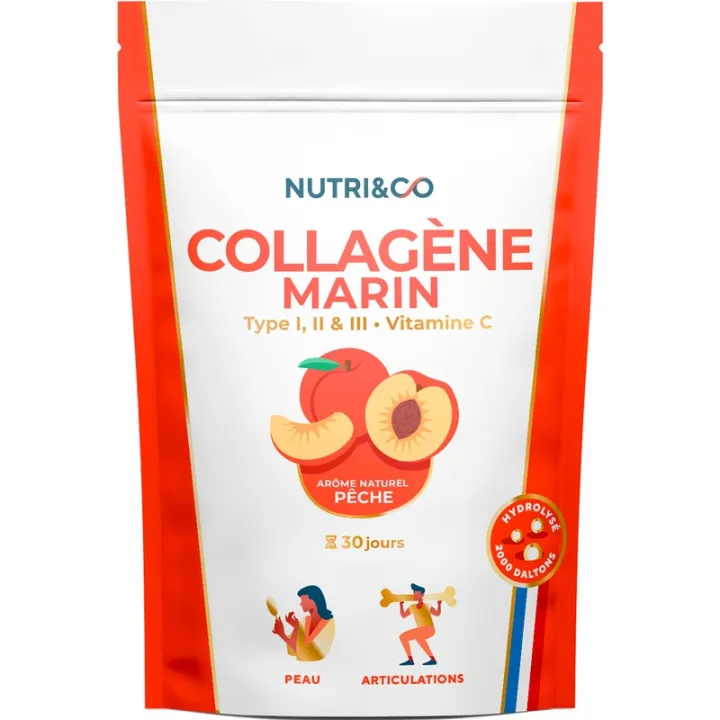
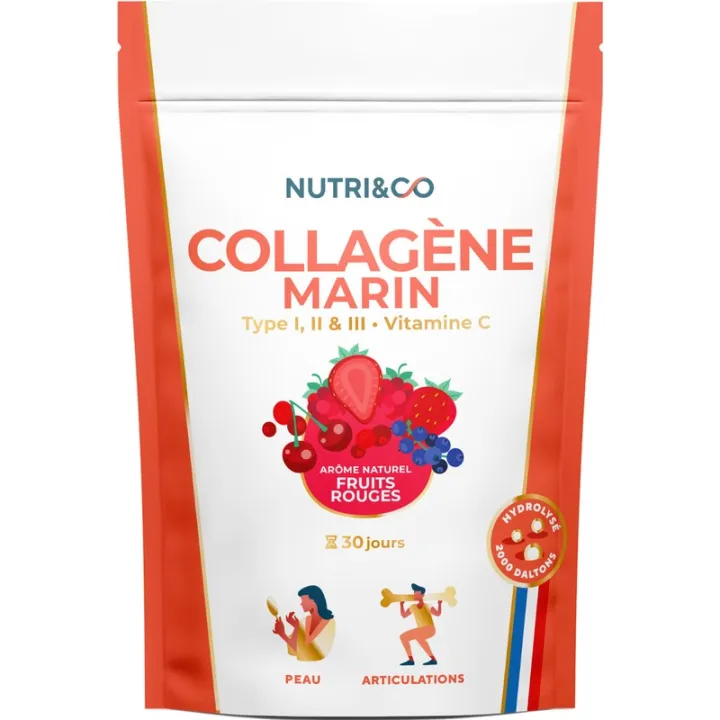
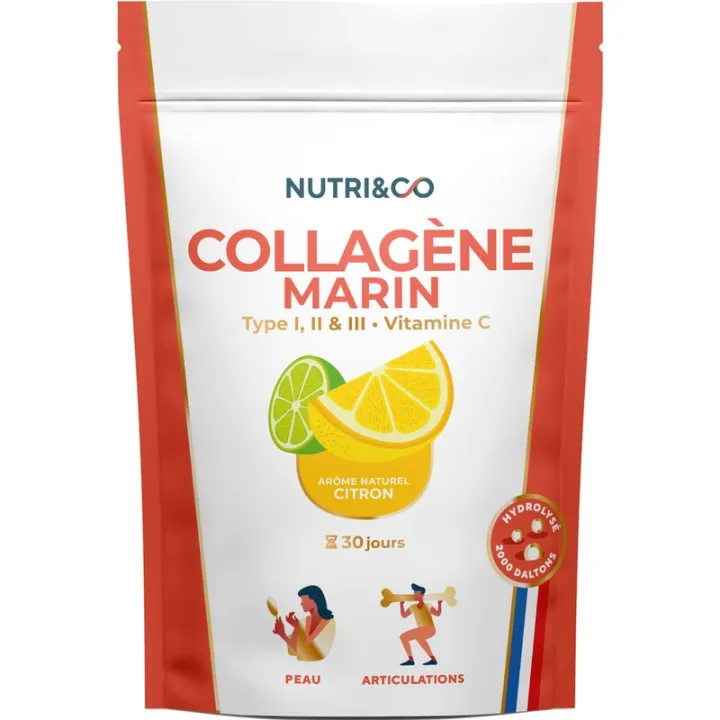
Nutri&Co Marine Collagen is a powdered dietary supplement for the skin, designed to be mixed into a beverage. The daily dose of 6 g provides 5.5 g of hydrolyzed marine collagen, which combines types I, II, and III: 5 g of Naticol (types I and III) and 500 mg of Cartidyss (type II), broken down into peptides of approximately 2,000 daltons. It also contains 24 mg of vitamin C, which is 30% of the reference nutritional values.
Collagen is the most abundant structural protein in the body: it forms the framework of the dermis, tendons, bones, and cartilage. The body produces it on its own, and this process requires vitamin C. This is the role played by the vitamin C in the formula, which contributes to the normal formation of collagen to ensure normal skin function.
Type II collagen is found in cartilage, and Cartidyss complements Naticol’s types I and III in this regard. Vitamin C is also important for cartilage: it contributes to the normal formation of collagen to ensure the normal function of cartilage.
The powder form is designed for those who prefer a drink to a handful of capsules: such a quantity of collagen would require at least ten capsules a day. The vitamin C in this product helps protect cells against oxidative stress—a welcome benefit when fresh fruits and vegetables are scarce on the plate.
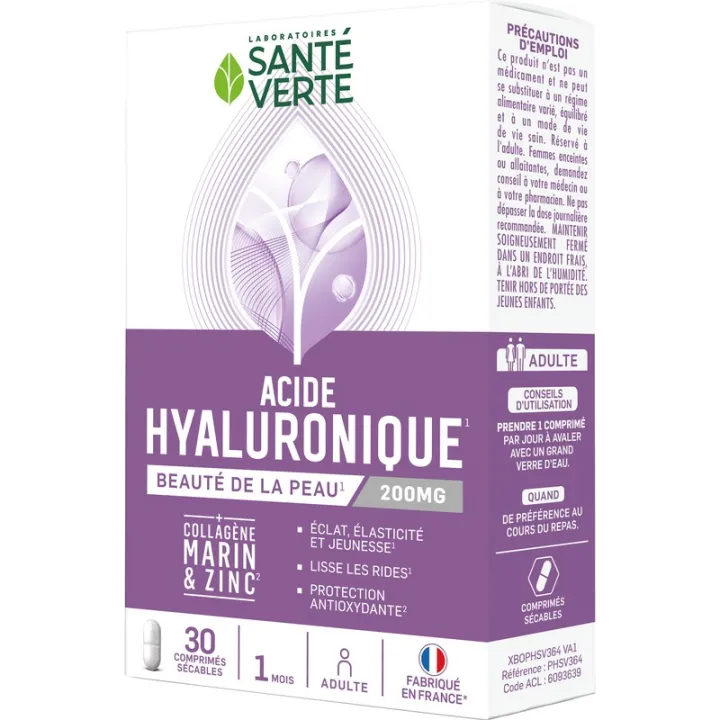
To supplement this with another skin-supporting nutrient, we recommendSanté Verte Hyaluronic Acid. It provides zinc—which is not included in this powder—and helps maintain healthy skin. The two supplements complement each other without overlapping: vitamin C for collagen formation, and zinc for maintaining healthy skin.
How should you take this collagen dietary supplement?
Directions for Use
Dissolve 2 scoops (6 g) per day in a large 200-ml glass of water, tea, or another beverage, then stir until the mixture is smooth.
Share your feedback on the usage instructions and dosage for Nutri&Co Marine Collagen with our partner Verified Reviews after your purchase.
Precautions
- Not recommended for children or adolescents.
- Pregnant or breastfeeding women: Consult a doctor before taking any supplements.
- Contains fish: the collagen is derived from fish skin and skate cartilage. Do not consume if you have a fish allergy.
- Animal-derived collagen: This product is not suitable for vegetarians or vegans.
- Manufactured in a facility that also processes milk, eggs, soy, gluten, tree nuts, shellfish, and crustaceans: take this into account if you have a severe allergy to any of these foods.
- The daily dose provides approximately 5.5 g of protein: if you are on a low-protein diet prescribed by a doctor—particularly in cases of kidney failure—consult your doctor before starting this product.
- History of oxalate kidney stones: Consult a doctor before a prolonged course of treatment, as some of the hydroxyproline in collagen is converted into oxalate by the body.
- Do not exceed the recommended daily dose.
- Dietary supplements should be used as part of a healthy lifestyle and are not a substitute for a varied and balanced diet.
- Store in the original packaging in a dry place, away from light, heat, and moisture. Keep out of reach of children.
What are the ingredients in this collagen powder for the skin?
Ingredients
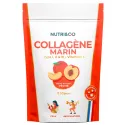
Peach Flavor: Hydrolyzed marine collagen blend [Naticol® collagen (types I & III), Cartidyss® (type II) (fish)], Bulking agent (acacia gum), Natural peach flavor, Acidifier (citric acid), ascorbic acid (vitamin C).
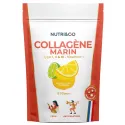
Lemon Flavor: Hydrolyzed marine collagen blend [Naticol® collagen (types I & III), Cartidyss® (type II) (fish)], natural citrus flavor, bulking agent (acacia gum), Acidity regulator (citric acid), Ascorbic acid (vitamin C).
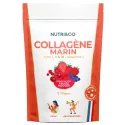
Red Berry Flavor: Hydrolyzed marine collagen blend [Naticol® collagen (types I & III), Cartidyss® (Type II) (fish)], natural blueberry flavor, color (beet juice powder), bulking agent (acacia gum), ascorbic acid (vitamin C).
Nutritional Information for Nutri&Co Marine Collagen
| Nutritional Information |
Per 1 scoop (3 g) |
Per 2 scoops (6 g) |
% NRV* |
| Naticol® Collagen |
2.5 g |
5 g |
|
| Cartidyss® Collagen |
250 mg |
500 mg |
|
| Vitamin C |
12 mg |
24 mg |
30% |
*NRV: Nutrient Reference Values, per 2 scoops.
Product Details
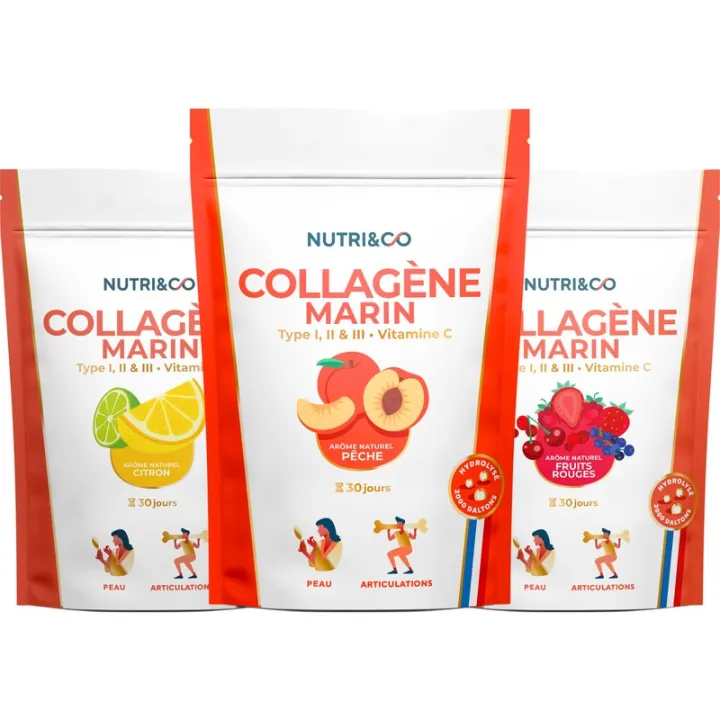
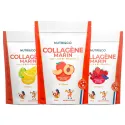
180 g pouch, providing a 30-day supply at a rate of 2 scoops per day. Choose from three flavors: Peach, Lemon, and Red Berries.
Our Experts’ Advice on Nutri&Co Marine Collagen
At the counter, the question that comes up most often is about visible results. Collagen powder is no substitute for a moisturizer or sunscreen: UV exposure has the greatest impact on skin aging, and it must be addressed externally. This supplement should be used alongside a suitable moisturizer and sunscreen, not in place of them. Before taking your first dose, be sure to check for a fish allergy—this is the only condition that would rule out this product from the start.
Collagen should be taken over the long term. A course of treatment typically lasts two to six months without interruption, which amounts to two to six packets: it’s best to set this duration at the start rather than judging the product after just a few days. There’s no reason not to alternate flavors from one packet to the next, since the dose of collagen and vitamin C remains the same.
FAQ
Can I mix Nutri&Co Marine Collagen into coffee or a hot beverage?
Yes. The collagen is already hydrolyzed into peptides, and a hot beverage at drinking temperature—such as tea or coffee—does not alter it. The powder dissolves more easily when stirred thoroughly.
Will I taste fish with Nutri&Co Marine Collagen?
Hydrolyzed collagen is almost odorless. Some users notice a slight ocean-like note at the end of a sip, which fades quickly; the flavors mask it, and when the powder is diluted in the full recommended amount of liquid, it’s less noticeable than if consumed straight from the bottom of a glass.
When during the day can I take Nutri&Co Marine Collagen?
You can take it with breakfast, lunch, or dinner—any time is just as good as another. If you experience digestive discomfort, taking it during or after a meal is generally better tolerated than on an empty stomach.