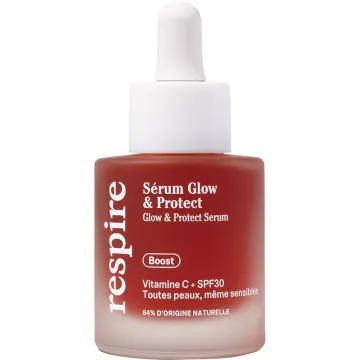
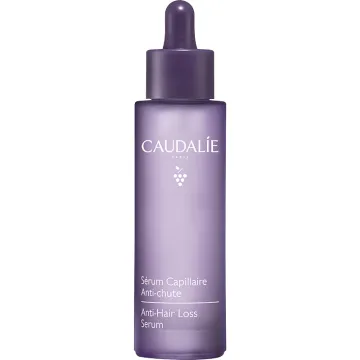
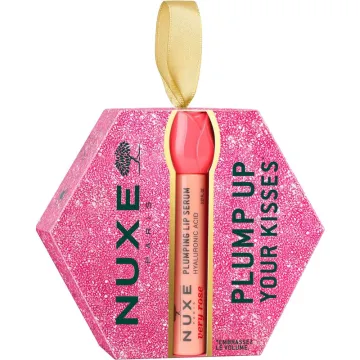
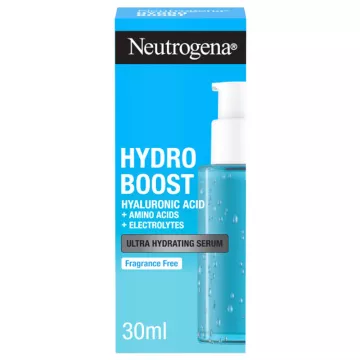
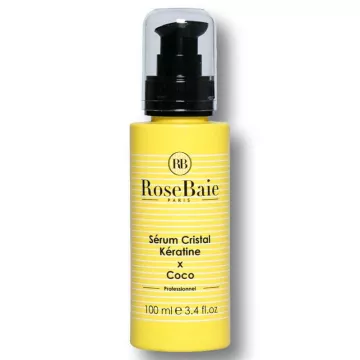
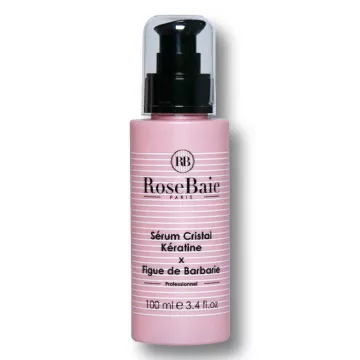
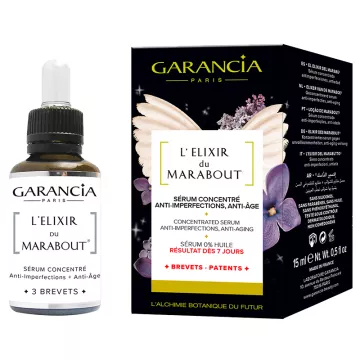
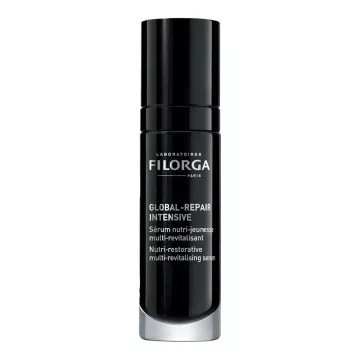
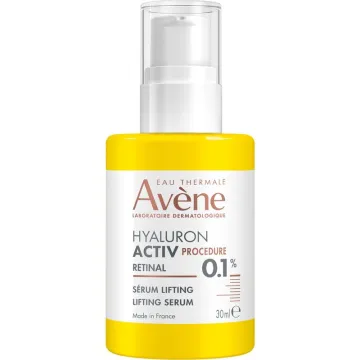
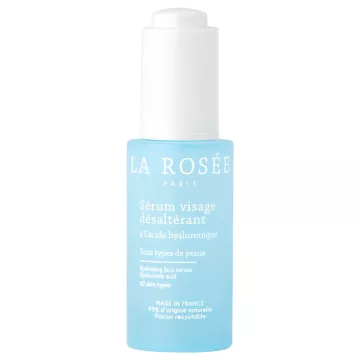
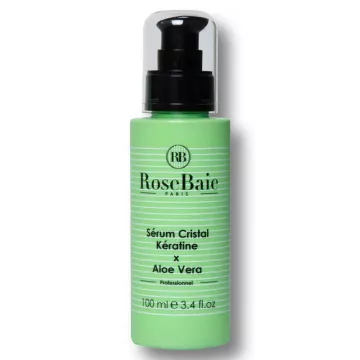
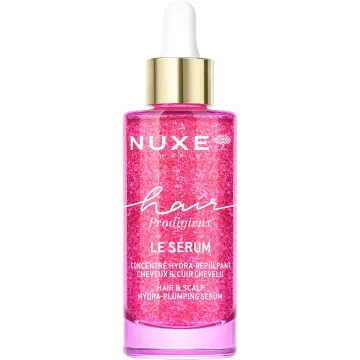
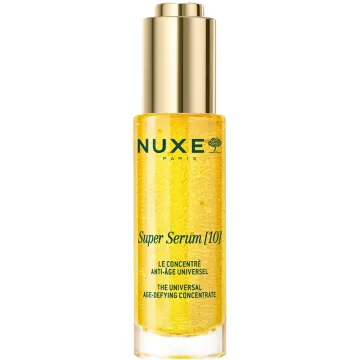
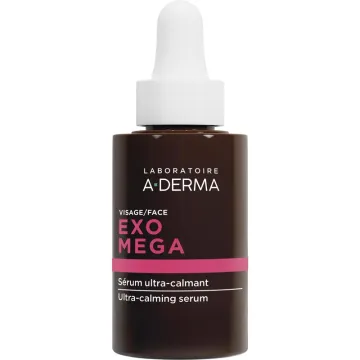
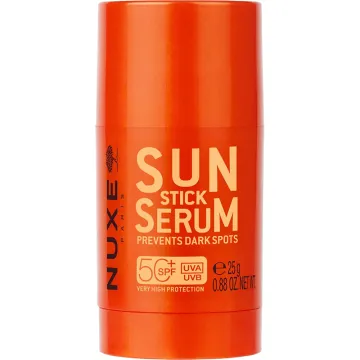
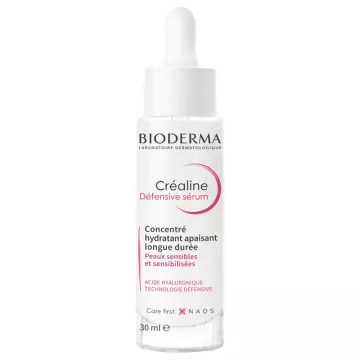
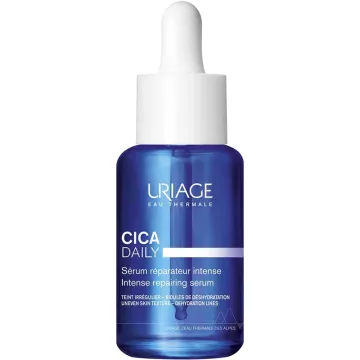
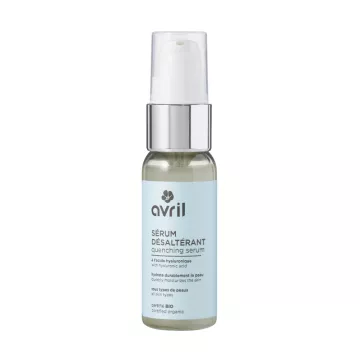
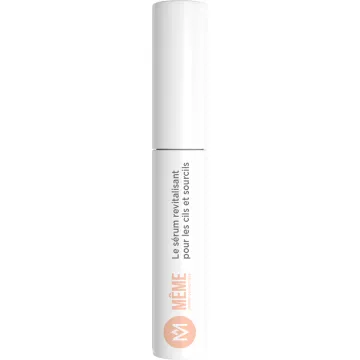
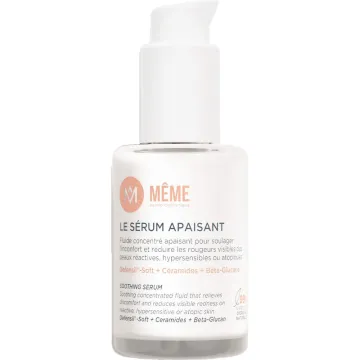
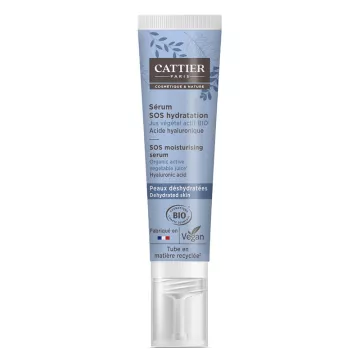
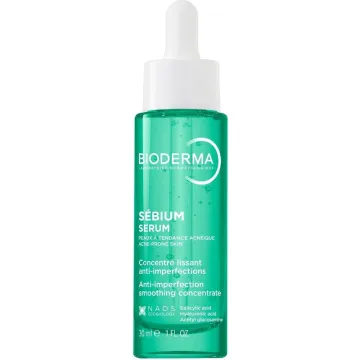
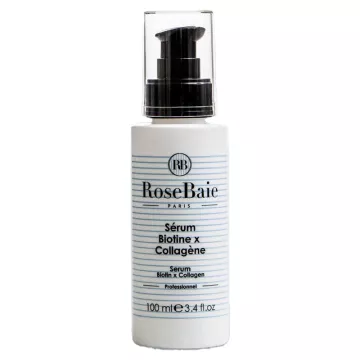
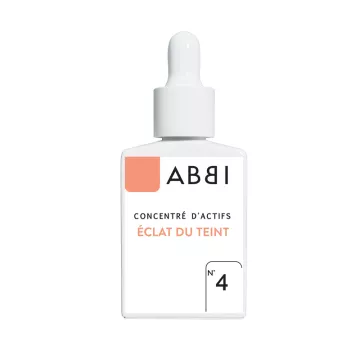
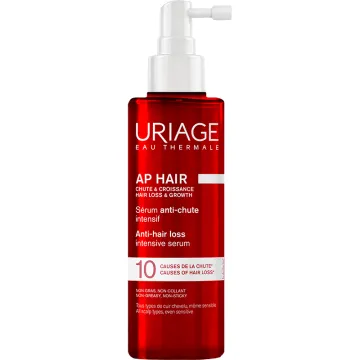
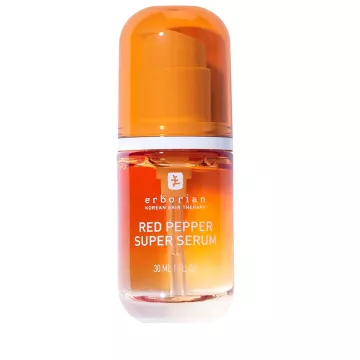
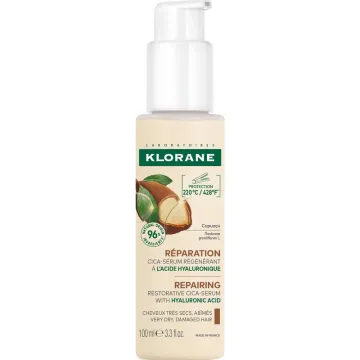
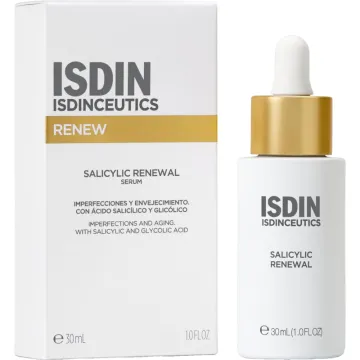
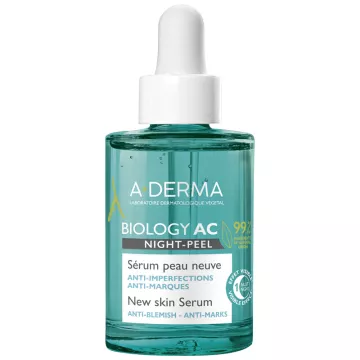
A serum is a concentrated, lightweight skincare product formulated to address specific skin concerns: hydration, radiance, firmness, blemishes, and dark spots.
Its formula, rich in active ingredients, and its fluid texture allow it to penetrate quickly into the superficial layers of the epidermis, delivering more noticeable results than a cream alone.
Incorporating a serum into your daily routine enhances the overall effectiveness of your skincare regimen by preparing the skin before applying moisturizer and sunscreen.
A serum isn’t essential for all skin types, but it becomes particularly beneficial once a specific need is identified (deep hydration, anti-aging, dark spot correction, or blemish treatment).
Choosing the right serum depends on your skin type and specific needs:
Check the full INCI list to identify any known allergens.
Daily use of a serum offers several cosmetic benefits:
Optimal application of a serum depends on a specific method.
Apply it to clean, slightly damp skin to help the hydrophilic active ingredients absorb; place 2 to 4 drops in the palm of your hand.
Gently apply to the face and neck using light tapping motions or a smoothing motion (never rub vigorously).
Allow it to absorb for 1 to 2 minutes, then apply a moisturizer on top to lock in hydration. During the day, always finish with sunscreen with an SPF of at least 30.
Several innovations are shaping the current evolution of serums:
For chronic skin conditions (moderate to severe acne, rosacea, pronounced pigmentation spots, melasma), a cosmetic serum remains a supplement, never a substitute for dermatological care.
The main difference between a serum and a moisturizer lies in the concentration of active ingredients and their function.
Serums generally have a higher concentration of targeted active ingredients (hyaluronic acid, vitamin C, retinol, niacinamide, peptides) and feature a lightweight texture for rapid absorption.
A moisturizer has a richer consistency, contains an oil phase, and serves both to hydrate and protect the skin’s surface (by limiting water loss).
For a complete routine: apply a targeted serum as the first step, followed by a suitable cream to seal in the benefits. The two products are complementary and not interchangeable.
Several serums can be combined in the same routine, provided you follow a few guidelines.
Apply from the lightest to the richest, allowing each layer to absorb for 1 to 2 minutes before applying the next.
Certain combinations should be avoided in the same routine to preserve the effectiveness of the active ingredients:
The frequency of serum application depends on its formulation and skin sensitivity.
Hydrating serums (hyaluronic acid, glycerin, panthenol): morning and evening, every day.
Serums with potent active ingredients (retinol, exfoliating acids, concentrated vitamin C): introduce gradually—2 to 3 times a week at first, then increase gradually depending on skin tolerance.
For sensitive skin, space out applications of concentrated active ingredients more and opt for formulas with simpler compositions.
Using a serum isn’t mandatory for young, balanced skin, but it can help address specific concerns.
For teenagers and young adults:salicylic acid serums for acne-prone skin. Salicylic acid: photosensitizing (minimum SPF 30), not recommended during pregnancy and breastfeeding.
For deep hydration: serums containing hyaluronic acid and glycerin, suitable for all ages.
Moderate to severe acne, pathological skin conditions: a dermatology consultation is essential for appropriate treatment; a cosmetic serum is no substitute for medical care.
How you store a serum directly affects its stability and effectiveness.
Store the product away from direct light and at a stable, cool temperature (15–22 °C).
Close the bottle tightly after each use to minimize oxidation of sensitive active ingredients, particularly vitamin C, retinol, and antioxidants.
Some serums (especially those containing pure vitamin C) benefit from refrigeration, which extends their stability and provides a cooling sensation upon application. Follow the PAO (Use-By Date) indicated on the packaging (often 6 to 12 months).