What is body sculpting, and how do you go about it?
Body sculpting refers to all the steps taken to improve the ratio of muscle mass to body fat in order to achieve a more defined and toned physique. Unlike simple weight loss, body sculpting aims to preserve—or even build—muscle mass while reducing subcutaneous fat; it’s the body composition that changes, not necessarily the number on the scale. It rests on two inseparable pillars: resistance training (weight training) to build and define muscles, and targeted nutrition to support muscle synthesis and facilitate fat loss. Topical treatments and aesthetic techniques complement this approach for stubborn areas.
What kind of workout is most effective for sculpting the body?
Weight training is the primary tool for body sculpting:
- Hypertrophy training (8–12 reps, 70–85% of max, 3–4 sets): stimulates muscle growth and improves definition in targeted areas by increasing the cross-sectional area of muscle fibers.
- Circuit training and HIIT: burn fat while preserving muscle mass—ideal for revealing already-developed muscles during a calorie deficit.
- Prioritize multi-joint exercises: squats, deadlifts, bench presses, pull-ups—these engage large muscle groups for maximum sculpting effects and a greater anabolic hormonal response.
- Moderateendurance training as a supplement: 2–3 sessions per week of 30–40 minutes to improve cardiovascular capacity and boost calorie expenditure without sacrificing muscle mass.
Regularly increasing the load is essential: without increasing stimulation, muscles adapt and growth stagnates. Increasing the weight or the number of repetitions each week maintains the growth signal.
What’s the best nutrition for sculpting your body?
Nutrition is the key factor in body sculpting:
- Protein (1.8–2.2 g/kg/day): whey after workouts for fast-absorbing amino acids, and animal or plant-based sources spread across 4–5 meals.
- BCAAs (leucine, isoleucine, valine): limit muscle catabolism during workouts while in a caloric deficit and speed up recovery.
- Creatine monohydrate (3–5 g/day): increases phosphocreatine stores, improves strength and power during high-intensity training—the most scientifically well-documented body sculpting supplement.
- Magnesium: a cofactor in protein synthesis and muscle contraction, often deficient in high-intensity athletes.
How do aesthetic treatments complement body sculpting?
For stubborn areas where exercise alone isn’t enough:
- Cryolipolysis and radiofrequency: professional techniques to reduce localized fat deposits (thighs, flanks, lower abdomen) that are resistant to training.
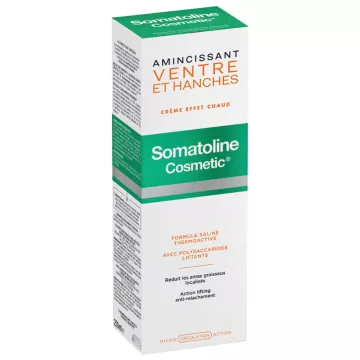
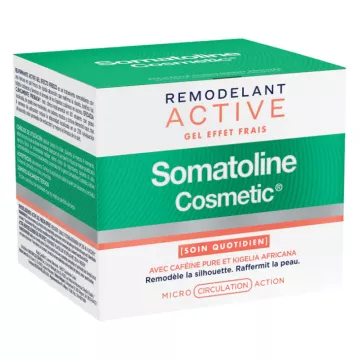
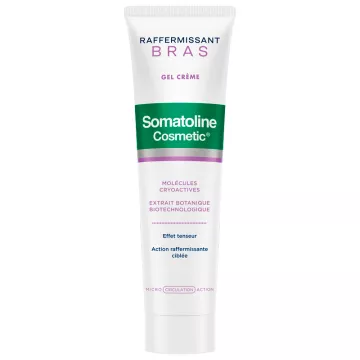
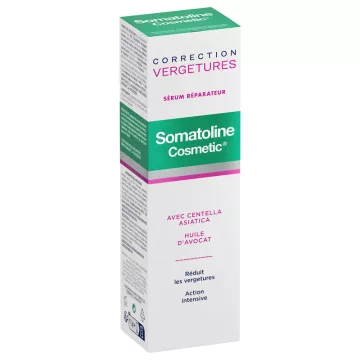
- Topical treatments with caffeine and Centella asiatica: improve microcirculation and skin tone in muscular areas—the skin “follows” changes in body composition more effectively.
- Regular lymphatic drainage massage: reduces post-workout swelling and improves muscle recovery in the targeted areas.
Body sculpting is a gradual process—it takes 12 to 24 weeks to achieve visible, lasting changes in body composition.
How do you structure a comprehensive body sculpting program?
An effective 12-week program is structured as follows:
- 4–5 strength training sessions per week targeting different muscle groups with progressively increasing weights.
- 2–3 30–40-minute cardio/HIIT sessions for calorie expenditure and cardiovascular improvement.
- Nutrition: a moderate calorie deficit (300–400 kcal/day) with a high protein intake, creatine, BCAAs, and magnesium.
- Recovery: Adequate sleep (7–8 hours), protein before bed (casein), and post-workout stretching.
- 12-week assessment: waist circumference, thigh circumference, photos—not just weight.