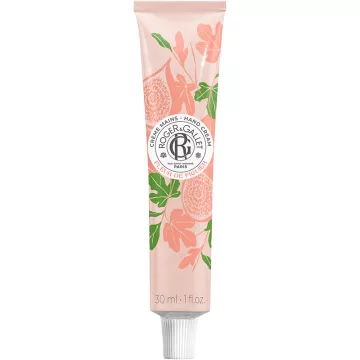
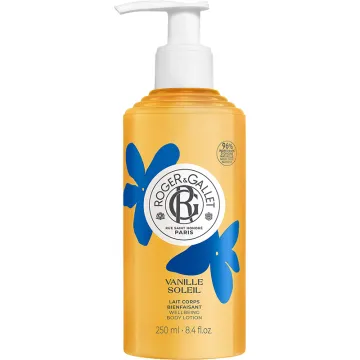
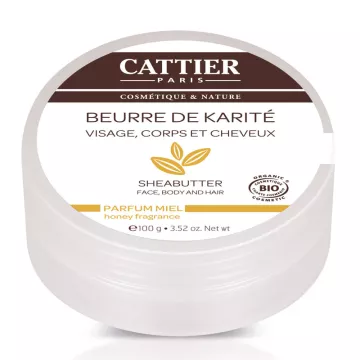
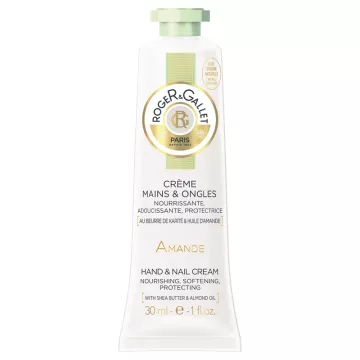
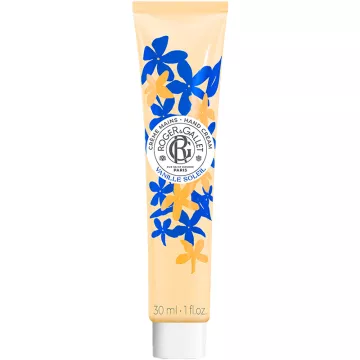
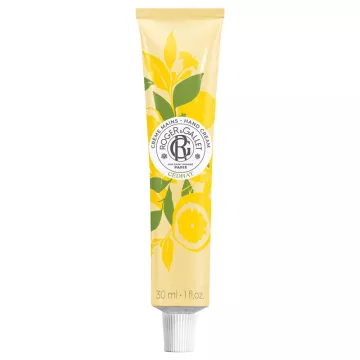
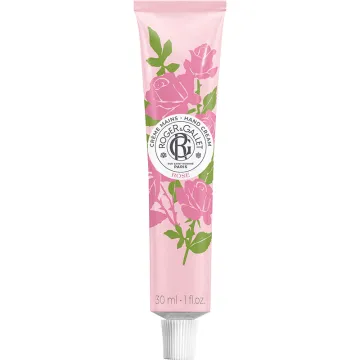
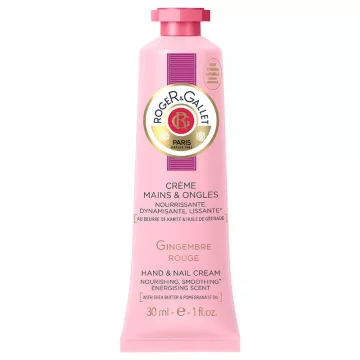
A scented body cream is a cosmetic product designed to moisturize the skin while imparting a pleasant, long-lasting scent.
Often enriched with nourishing ingredients such as shea butter,argan oil, or aloe vera, this type of cream is meant for daily use on the body.
To apply, take a small amount of the product and gently massage it into the skin until fully absorbed.
You can reapply it morning and night for softer, subtly scented skin throughout the day.
Scented cream offers several benefits: it moisturizes and nourishes the skin, making it more supple and radiant.
The light fragrance it leaves on the skin can contribute to a sense of well-being and be part of a pleasant beauty ritual.
It’s a convenient format that combines skincare and the pleasure of fragrance in a single morning step.
Its versatile texture also makes it an alternative to the classic cream-and-perfume combo for simplified routines.
To choose the right scented cream, first identify your skin type and its primary needs.
Dry skin benefits from richer, emollient creams formulated with plant-based butters or nourishing oils.
Oily or combination skin types prefer lighter, non-comedogenic formulas that won’t weigh down the skin.
Those with sensitive skin should be sure to test the product on a small area before regular use to check for fragrance sensitivity.
Current trends emphasize natural and eco-friendly ingredients.
Fragrances derived from organic essential oils, formulas free of controversial preservatives, and cruelty-free products are particularly sought after.
Formulas inspired by nature (flowers, citrus fruits, precious woods, aromatic plants) are appreciated for their perceived naturalness.
Check for certifications (Ecocert, COSMOS, Cosmébio) that guarantee rigorous formulation standards.
To maximize the effects of a scented cream, apply it after showering, while your skin is still slightly damp.
This residual moisture helps lock in hydration and intensify the gradual release of the fragrance.
It can also be used as a base before applying a classic perfume to prolong the fragrance’s longevity on the skin.
For dry skin or during the winter, a second application throughout the day can enhance skin comfort.
Incorporating a scented cream into your routine is simple: it replaces your usual body moisturizer.
For the body: after cleansing and drying your skin, apply the product by gently massaging it all over your body.
Choose fragrances that complement your other skincare products or perfumes for a pleasant, harmonious scent.
Avoid layering multiple scented products to prevent the scent from becoming overpowering.
Scented creams are primarily formulated for the body and not for the face.
However, certain specific products may be suitable for the face if their formulation is explicitly indicated for this area.
Be sure to check that the formula is non-comedogenic and suitable for the thinner skin on the face.
Avoid the eye area, which is particularly sensitive to fragrances and preservatives.
Several precautions are necessary before incorporating a scented cream into your daily routine.
Always perform a patch test on the inner elbow 48 hours before applying the product to a larger area, especially if you have sensitive or allergic skin.
Avoid products containing high concentrations of denatured alcohol or potentially allergenic fragrances.
Carefully read the INCI list to identify any known allergens (the 26 mandatory allergens are labeled in France and Europe).
Certain ingredients warrant special attention depending on your sensitivity or personal preferences.
Parabens (methylparaben, ethylparaben) remain permitted in European cosmetics at concentrations strictly regulated by Regulation (EC) No. 1223/2009; butylparaben and propylparaben are limited to 0.14%. However, some consumers prefer to avoid them as a precautionary measure.
The most controversial phthalates (DEHP, DBP, BBP) have been strictly banned in European cosmetics since 2009; therefore, you won’t find them in products sold in France.
High-concentration denatured alcohol can dry out the skin; check this ingredient’s position in the INCI list (the higher it is, the higher the concentration).
Scented creams can contribute to personal well-being througharomatherapy and the sense of smell.
Fragrances such as true lavender are traditionally associated with a soothing effect.
Other notes (citrus, mint, rosemary) are perceived as stimulating and invigorating.
Precautions for essential oils: Citrus essential oils (lemon, bergamot) make the skin photosensitive; avoid sun exposure for several hours after application. True lavender is not recommended for pregnant women during the first trimester. Essential oils must be diluted (1–2% for topical use) and are not recommended for children under 3 years of age.
Several scented creams are formulated specifically for sensitive or reactive skin.
These products prioritize hypoallergenic fragrances and exclude common irritants.
They are often enriched with soothing active ingredients (aloe vera, thermal water, panthenol) to minimize the risk of skin reactions.
Read the INCI list carefully and choose products that are explicitly dermatologically tested and suitable for reactive skin.
Making your own scented cream is possible so you can customize the fragrance and texture to your preferences.
You can mix a neutral cosmetic cream base with a few drops of high-quality essential oil, up to 1–2% essential oil by weight for safe topical use.
DIY Precautions: Use a suitable cosmetic preservative (Cosgard, Geogard); adhere to a shortened shelf life (3 to 6 months maximum); a 48-hour skin patch test is mandatory before regular use; essential oils are not recommended for pregnant or breastfeeding women or children under 3 years of age.
For safe homemade recipes and certified ingredients, check out our organic cosmetics section and the associated guides.
The shelf life of a scented cream varies depending on the ingredients and preservatives used.
In general, an opened cream lasts between 6 and 12 months to maintain its optimal freshness and effectiveness.
Store the product in a cool, dry place, away from direct light and temperature fluctuations.
Always check the PAO symbol (open jar + number + M) on the packaging, which indicates the shelf life after opening.