What are “saddlebags,” and why are they so stubborn?
“Saddlebags” refer to localized fat deposits on the sides of the thighs, hips, and buttocks. They are present in 80 to 90 percent of women due to a specifically female genetic and hormonal distribution of fat: estrogens direct fat storage toward these areas (gynoid distribution) to build energy reserves for pregnancy and breastfeeding. Its persistence despite dieting is due to a high concentration of alpha-2 adrenergic receptors in these areas, which inhibit lipolysis and resist mobilization by adrenaline. These fat cells release their fatty acids 30 to 50 percent less readily than abdominal fat.
Why do hormones play a central role in “saddlebags”?
Estrogens are the primary hormonal determinant of “saddlebags.” They increase the density of alpha-2 receptors in the femoral regions and promote lipogenesis (fat storage) in these areas. This is why “saddlebags” appear or worsen during major hormonal transitions:
- Puberty: first appearance with the development of the female figure.
- Pregnancy: increased fat storage in the thigh and buttock areas due to the effects of progesterone and estrogen.
- Menopause: Paradoxically, the drop in estrogen redistributes fat toward the abdomen, but “saddle bags” may persist if they developed before menopause.
Maintaining overall hormonal balance (through sleep, diet, stress management, and limiting exposure to endocrine disruptors) remains the best long-term prevention strategy.
What exercises effectively target “saddlebags”?
Spot reduction is a myth—you cannot target fat loss to a specific area through exercise. However, exercise works indirectly by reducing overall body fat and toning the underlying muscles:
- HIIT (high-intensity interval training): dramatically increases catecholamines, which are the only stimulants capable of partially overcoming the blockage of alpha-2 receptors in the thigh area.
- Prolonged cardio on an empty stomach: preferentially mobilizes peripheral fatty acids after glycogen stores are depleted, within a window of low insulin levels that is conducive to lipolysis.
- Targeted strength training (squats, lunges, abductions, hip thrusts): tones the glutes and hamstrings, improving body shape even without total fat loss.
- Swimming and elliptical training: intensely engage the muscles of the thigh area without putting stress on the joints, making them ideal for those who are overweight.
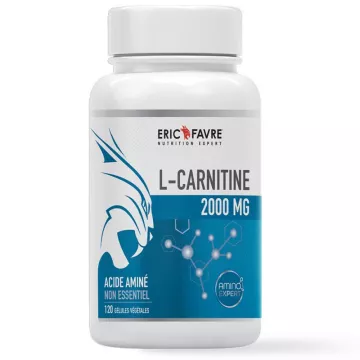
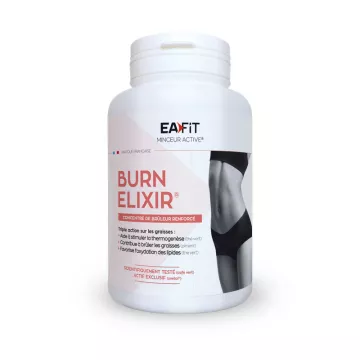
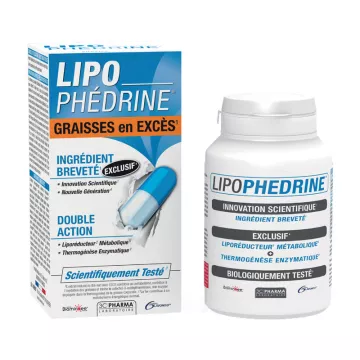
How do diet and supplements support the reduction of “saddlebags”?
Diet works by reducing insulin levels (the main inhibitor of lipolysis) and providing thermogenic compounds:
- A diet rich in fiber and protein: prolonged satiety, preservation of muscle mass, and a high thermic effect.
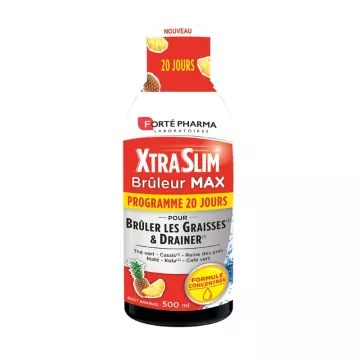
- Green tea and guarana: caffeine and catechins partially lift the inhibition of alpha-2 receptors and increase local thermogenesis.
- Limit salt, alcohol, and refined sugars, which promote water retention in these areas.
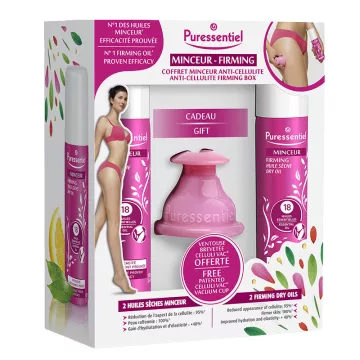
What aesthetic treatments are effective for treating “saddlebags”?
For stubborn fat deposits, professional techniques can complement lifestyle changes:
- Cryolipolysis: exposes fat cells to controlled cold, triggering their selective apoptosis. Visible results in 2–3 months, with a 20–30% reduction in volume per session.
- Radiofrequency and focused ultrasound: thermal lipolysis and improved skin tone.
- Liposuction: surgical removal of fat deposits. Immediate and long-lasting results, but requires anesthesia and a recovery period.
These treatments are body-contouring tools, not long-term solutions without associated weight management.