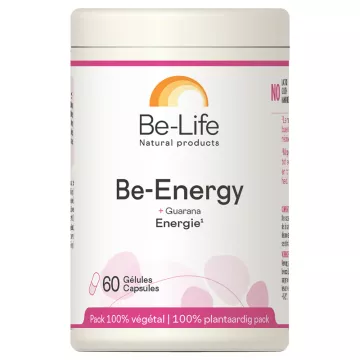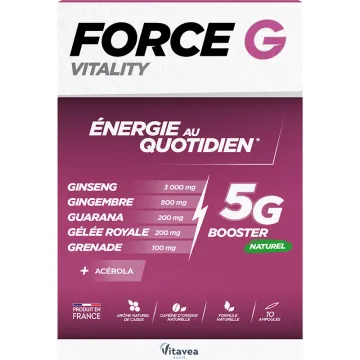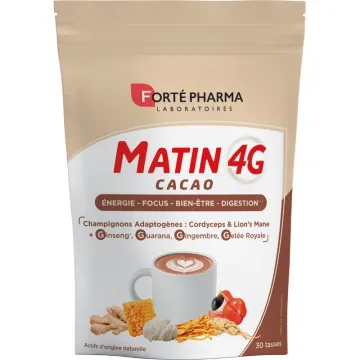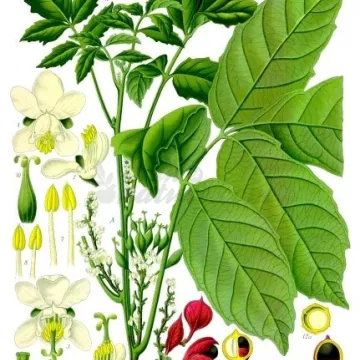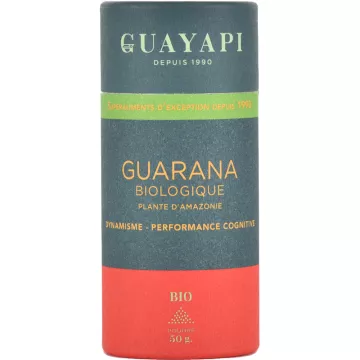
Guarana (Paullinia cupana) is an Amazonian climbing vine whose dried seeds are the natural stimulant supplement with the highest concentration of plant-based caffeine (2.5 to 7%—2 to 4 times more than a coffee bean). The key difference from coffee is that the caffeine in guarana is bound to the tannins present in the seed (catechins, epicatechins): these tannins significantly slow the release and absorption of caffeine, producing a very gradual stimulating effect that lasts up to 6 to 8 hours, without the “crash” typical of coffee. Guarana also contains theobromine, theophylline, and antioxidant polyphenols. For weight management, the caffeine in guarana stimulates lipolysis and thermogenesis in a gentler and more sustained manner than fast-acting stimulants.
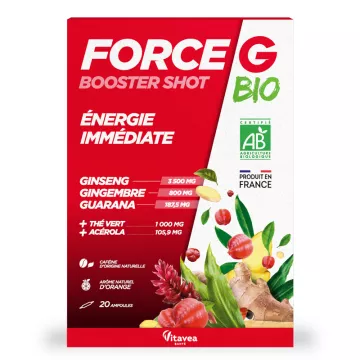
The caffeine in guarana acts by antagonizing adenosine receptors (a molecule that induces drowsiness), increasing the release of norepinephrine, dopamine, and acetylcholine—which improves alertness, working memory, reaction time, and physical endurance. Its gradual and prolonged effect makes it the stimulant of choice for endurance athletes and during periods of intense mental work. The combination of guarana and ginseng is a well-documented classic synergy—ginseng provides adaptogenic effects and stress resistance, while guarana offers direct stimulation. Passionflower and valerian are the preferred calming herbs for counteracting overstimulation from guarana or helping you wind down in the evening.
Guarana is one of the best-documented natural fat burners. Caffeine inhibits phosphodiesterase (an enzyme that breaks down intracellular cAMP), prolonging catecholamine signaling in adipocytes—this mechanism directly stimulates lipolysis and β-oxidation of fatty acids. Increased thermogenesis raises the basal metabolic rate by 3 to 11 percent, depending on the study. Guarana is often combined with green tea (EGCG + catechins) and L-carnitine in weight-loss formulas to create a synergistic effect on fat mobilization and burning. These formulas are intended to complement a balanced diet and regular physical activity—they are not a treatment for obesity.
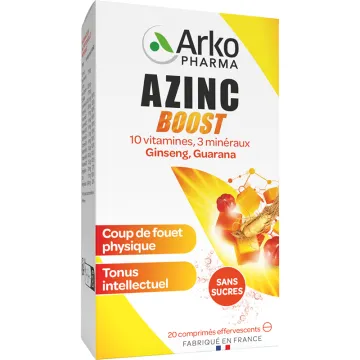
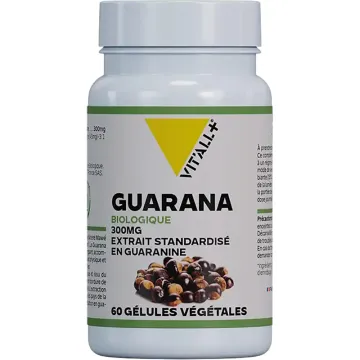
Guarana comes in many forms suited to different uses. Seed powder (1 to 2 g per serving, 1 to 2 times a day in water or a smoothie) is the most traditional form. Standardized organic capsules (250 to 400 mg of dry extract per capsule) provide a consistent and controlled dosage. The phytostandard extract (EPS, alcohol-free glycerol extract, cold-extracted) preserves all of the active compounds found in the fresh plant. Guarana + taurine + B-vitamin effervescent tablets are particularly well-suited for sports or periods of occasional overexertion.
Guarana shares the same contraindications as caffeine, which are amplified by its high concentration and prolonged duration of action. Key precautions to be aware of include:
Guarana should not be taken after 2:00 p.m.—its 6- to 8-hour duration of action can disrupt nighttime sleep if consumed too late in the day.
These three natural stimulants share caffeine as a common active ingredient but differ in their phytochemical profiles and kinetics. Guarana (2.5–7% caffeine bound to tannins) offers the longest-lasting (6 to 8 hours) and most potent effect—it is the gold standard for prolonged athletic and mental performance. Mate (0.5–1.7% caffeine + chlorogenic acids + methyl anthranilate) has an intermediate profile (3 to 5 hours) with digestive benefits and a distinct antioxidant profile. Green tea (caffeine + L-theanine + EGCG) produces a calm, focused state of alertness without restlessness—as L-theanine buffers the stimulating effect of caffeine. The choice between these three stimulants depends on the individual’s profile (caffeine tolerance, desired duration of action, desired antioxidant profile) and the time of day it is consumed. In synergistic weight-loss formulas, guarana + green tea is the most frequently documented combination for thermogenesis and fat burning.