0
Menu

Rough Hands: How to Restore Smooth, Soft Skin

Filter
Number of products : 10
Sort
Sort
Close
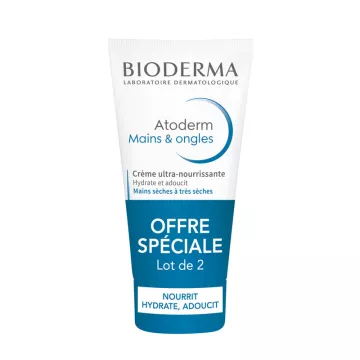
Bioderma Atoderm Hand and Nail Cream Bioderma Atoderm Hand and Nail Cream
Pack of 2 50 ml
€8.90
Add to cart
Shipped within 24h
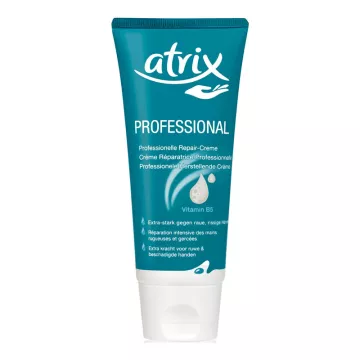
ATRIX Repairing Hand Cream 100 ml ATRIX Repairing Hand Cream 100 ml
€5.49
Shipped within 24h
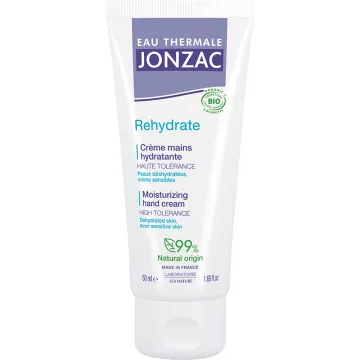
Jonzac Rehydrate Moisturizing Hand Cream 50 ml Jonzac Rehydrate Moisturizing Hand Cream 50 ml
€6.65
Shipped within 24h
Embryolisse Cicalisse Hand and Nail Cream 40 ml Embryolisse Cicalisse Hand and Nail Cream 40 ml
€5.49
Shipped within 24h
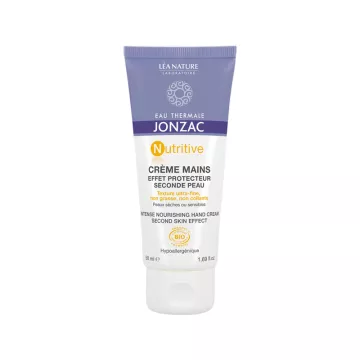
Jonzac Nutritive Repairing Hand Cream 50 ml Jonzac Nutritive Repairing Hand Cream 50 ml
€5.99
Shipped within 24h
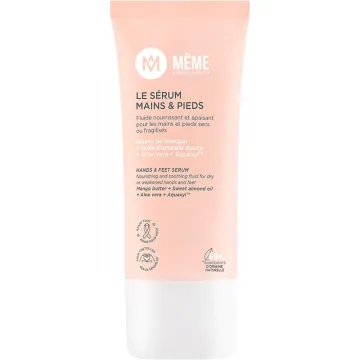
Even Hand and Foot Serum Even Hand and Foot Serum
50 ml 300 ml
€9.95
Add to cart
Shipped within 24h
CeraVe Repairing Cream for Dry Hands CeraVe Repairing Cream for Dry Hands
50 ml 2 x 50 ml
€5.30
Add to cart
Shipped within 24h

What are the main causes of rough hands?

Rough hands are most often the result of repeated exposure to harsh conditions: dry cold, heat, water, household products, disinfectants, and solvents. Occupations that are highly manual or involve frequent hand washing (healthcare, food service, hair styling, construction, mechanics) are particularly prone to this condition. Insufficient skin hydration, combined with these harsh conditions, weakens the hydrolipidic film, and the skin gradually becomes drier, rougher, and uncomfortable.

What are the symptoms of rough hands?

Symptoms of rough hands include skin that feels dry to the touch, visible flaking, itching, and sometimes a tight or slightly burning sensation. Redness and small cracks may appear, particularly around the knuckles and on the backs of the hands. When the skin thickens in response to repeated stress, it can form calluses on the palms or fingertips.

How can you prevent rough hands?

To prevent rough hands, a few simple steps can make a big difference:

  • Wear gloves when doing household chores and when handling harsh products (detergents, solvents, chemicals).
  • Apply a nourishing cream after each time you wash your hands and before bed.
  • Choose mild or ultra-moisturizing soaps that are pH-neutral or slightly acidic.
  • Limit baths in very hot water, which dries out the skin even more.
  • Adjust your protection in winter: wear lined gloves outdoors to protect against the dry cold and wind.

What treatments should you use for rough hands?

Caring for rough hands starts with thorough moisturization. Nourishing creams rich in emollients (shea butter, jojoba oil, plant-based waxes) and humectants (glycerin, hyaluronic acid) strengthen the hydrolipidic film. For more severely rough skin, formulas containing urea at a keratolytic concentration (15 to 25%) or lactic acid help gradually smooth the skin’s texture. Soothing active ingredients such as allantoin or panthenol (provitamin B5) effectively complement the treatment for uncomfortable skin.

What home remedies are there for rough hands?

In addition to cosmetic treatments, several home remedies can temporarily relieve rough hands:

  • Apply a thin layer of coconut oil or honey, leave it on for about ten minutes, then gently blot it off to benefit from its nourishing properties.
  • An aloe vera mask, prized for its soothing effect on uncomfortable skin.
  • A lukewarm hand bath with a vegetable oil (sweet almond, olive) to soften the skin before applying a richer treatment.

These steps do not replace a regular skincare routine and are not a substitute for medical treatment in cases of skin conditions.

When should you seek medical advice for persistently rough hands?

If, despite a suitable skincare routine, dryness, roughness, cracks, or itching persist or worsen, it’s best to consult a dermatologist. Chronically rough hands may be a sign of a skin condition such as handeczema, palmar psoriasis, contact dermatitis (irritant or allergic), or another condition requiring specific treatment. In cases of occupational exposure, the occupational health physician can also recommend appropriate solutions.

What gloves should you choose to protect your hands at work?

To protect your hands at work, the choice of gloves depends on the activity:

  • Nitrile gloves for handling common chemicals (preferable to latex if you have a latex allergy).
  • Thick leather gloves for gardening, DIY projects, and handling rough materials.
  • Lined thermal fabric gloves for winter outings and protection against dry cold.
  • Cotton gloves worn under rubber gloves to minimize skin maceration during long household tasks.

Choosing the right size is essential: if too tight, the glove constricts and causes friction; if too loose, it forms wrinkles that cause discomfort.

Which cream should you choose for very dry and rough hands?

For very dry and rough hands, opt for a cream enriched with nourishing and soothing ingredients:

  • Shea butter, beeswax, or plant-based oils for the emollient phase.
  • Glycerin, hyaluronic acid, or urea at a moisturizing concentration (5–10%) for the humectant phase.
  • Allantoin, panthenol (B5), and ceramides to support skin comfort.

Choose a formula suitable for sensitive skin or delicate hands, free of heavy fragrances and unnecessary dyes.

Can essential oils be used on rough hands?

Essential oils such as true lavender or chamomile can be enjoyed for their distinctive scent and soothing effect when properly diluted in a carrier oil (sweet almond, jojoba, argan). Important precautions: Not recommended during pregnancy, while breastfeeding, or for children under 7 years of age; individual skin sensitization may occur. A preliminary patch test on the inner elbow, 24 to 48 hours before widespread use, is still recommended. If you have broken skin or an eczema flare-up, it’s best to avoid using this product and consult a healthcare professional.

What habits can make rough hands worse?

Several daily habits contribute to rough skin:

  • Very frequent washing with soaps that are too high in aggressive sulfate surfactants.
  • Prolonged exposure to hot water (washing dishes, bathing).
  • Rough drying with coarse towels or very hot air hand dryers.
  • Failure to moisturize after each hand wash.
  • Direct skin contact with chemicals (detergents, solvents).
  • Failure to apply sunscreen to the backs of the hands during repeated sun exposure.

What medical treatments are available for severely rough hands?

When cosmetic treatments are not enough, a dermatologist may recommend prescription medical treatments:

  • Topical corticosteroids to reduce inflammation during eczema flare-ups, under medical supervision and for a limited period.
  • Prescription emollients with a high urea content (up to 25%) to soften very rough or hyperkeratotic areas.
  • Topical calcineurin inhibitors for certain indications.
  • UV phototherapy in a medical setting for certain severe forms of dermatitis or palmar psoriasis, conducted according to a specific protocol.

These treatments are to be administered exclusively by a doctor and should never be used without a prescription. For daily restorative care, targeted treatments for damaged hands can be used alongside medical management.