
Restful sleep isn’t just about sleeping for a long time—it’s about sleep whose composition allows for maximum physical, immune, and cognitive recovery. Physical recovery occurs during N3 (deep slow-wave sleep): 80% of the daily quota of growth hormone is secreted, muscle and bone tissue regenerates, and anti-inflammatory cytokines are released in large quantities. Cognitive recovery occurs during REM sleep: memory consolidation, elimination of brain toxins (active glymphatic system), and emotional regulation. A chronic lack of restorative sleep leads to chronic fatigue that is resistant to daytime rest, progressive immunosuppression, and documented cognitive impairments.
Homeopathy offers two specific remedies for restorative sleep. Lactuca virosa (bitter lettuce, 5–9CH) is the remedy for insomnia accompanied by severe restlessness and an inability to find a comfortable position—exhaustion without being able to sleep, heavy limbs, and a need to move. Its effect is a mild hypnotic when administered homeopathically. Passiflora incarnata (9CH) targets sleep interrupted by intense dreams, with difficulty waking up and a feeling of not having slept despite having slept long enough—the quintessential profile of non-restorative sleep. These remedies are taken as 5 granules at bedtime and upon waking during the night. When chronic stress is the primary cause, a complementary approach (magnesium + anxiety-relieving herbs) is essential.
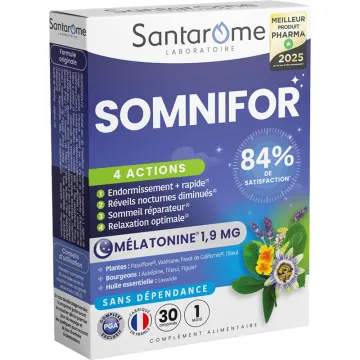
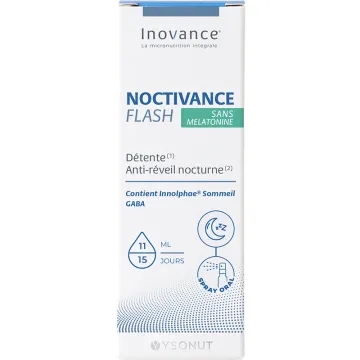
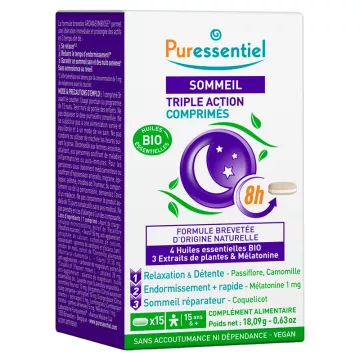
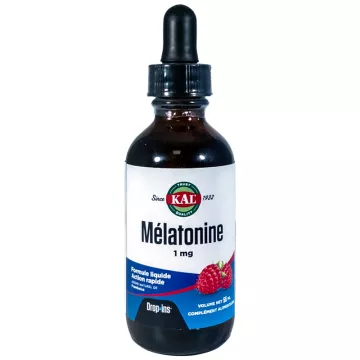
The “Sleep Quartet” complexes in organic oral ampoules (valerian + passionflower + lemon balm + hops in glycerin macerates) constitute a synergistic phytotherapeutic formula whose combined action is more effective than that of each herb taken individually. Their liquid form allows for rapid absorption—inducing sleep within 20 to 30 minutes. Evening herbal teas (propolis + lemon balm + linden + chamomile) add a behavioral dimension to the bedtime ritual: the act of preparing the tea and its warmth facilitate a psychological transition into sleep. The “deep sleep” capsules (LP melatonin + tryptophan + magnesium bisglycinate + valerian) address all the mechanisms of restorative sleep. An underlying anxiety component warrants the addition of Lactium or L-theanine to the formula.
The gut-brain axis is an underestimated determinant of sleep quality. 70 to 95% of the body’s serotonin is produced in the enterochromaffin cells of the gut—and serotonin is the direct precursor to nocturnal melatonin. An imbalanced microbiome (dysbiosis) reduces intestinal serotonin production and disrupts the quality of deep sleep. Recent studies show that probiotic supplementation (Lactobacillus + Bifidobacterium, 4–8 weeks) significantly improves sleep quality scores and reduces sleep latency. Prebiotics feed the bacteria that produce butyrate, which in turn modulates GABAergic and serotonergic neurotransmission.
Chronic sleep debt cannot be made up in a single long night’s sleep—it requires 2 to 3 weeks of slightly extended sleep (an additional 30–60 minutes per night). Residual mental fatigue may persist for several weeks after sleep duration returns to normal. The strategy: move bedtime forward by 15–20 minutes each night, take sustained-release melatonin 1–2 hours beforehand to establish the new rhythm, and take magnesium + tryptophan in the evening to maximize the proportion of N3 sleep. Short naps (20–25 minutes before 3:00 p.m.) accelerate cognitive recovery without disrupting nighttime sleep.
An occasional lack of restorative sleep (lasting a few weeks, with an identifiable cause) can be addressed using the approaches described above. A medical evaluation is warranted when morning fatigue persists for more than 4 weeks despite optimized sleep and properly administered supplementation, or when it is accompanied by associated symptoms: severe snoring with observed breathing pauses (polysomnography to rule out sleep apnea syndrome, the leading cause of non-restorative sleep in adults over 50), physical fatigue on exertion, rapid weight gain, or abnormal sensitivity to cold (thyroid evaluation), progressive cognitive impairment. Persistent asthenia despite 3 to 4 weeks of comprehensive sleep optimization warrants a laboratory workup (ferritin, vitamin D, TSH, complete blood count).