Difficulty regulating appetite is rarely a matter of willpower: it results from hormonal imbalances, poor eating habits, and chronic stress, which disrupt the hypothalamic hunger signals. The main factors contributing to this disruption are:
Chrono-nutrition harnesses the circadian rhythm to optimize appetite regulation:
Exercise has a biphasic effect on appetite:
Yes—cortisol stimulates hypothalamic NPY, triggers cravings for comfort food, worsens leptin resistance, and breaks down muscle mass (catabolic effect). Magnesium modulates the response to cortisol via NMDA receptors—a deficiency amplifies stress reactivity and emotional cravings. Vitamin B6 acts as a cofactor in the synthesis of serotonin and dopamine, which counteract cortisol’s effects on appetite. These two supplements are particularly recommended for people experiencing chronic stress.
Chromium (chromium picolinate, 200 to 400 µg/day) enhances insulin’s action on its cellular receptors, improving glucose uptake by muscle cells rather than fat cells. Controlled clinical trials show a 25–35% reduction in sugar cravings and improved insulin sensitivity after 8 to 12 weeks. Combining it with a low-glycemic-index diet (legumes, whole grains) creates a synergistic effect in preventing blood sugar spikes that trigger sugar cravings.
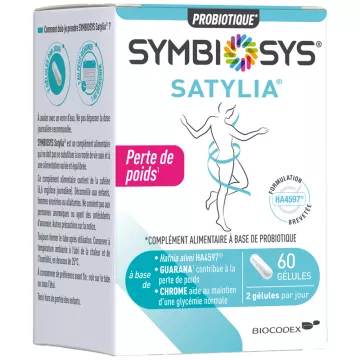
A balanced gut microbiota is now recognized as a full-fledged regulator of appetite. Bacteria that produce propionate and butyrate (Prevotella, Faecalibacterium prausnitzii) stimulate intestinal L cells to release GLP-1 and PYY—two satiety hormones that regulate appetite for 3 to 4 hours. Probiotics (Lactobacillus rhamnosus, Bifidobacterium longum) combined with prebiotic fiber strengthen these populations within 4 to 6 weeks. Fecal transplant studies in animals demonstrate that the microbiota alone can induce resistance to obesity regardless of calorie intake.