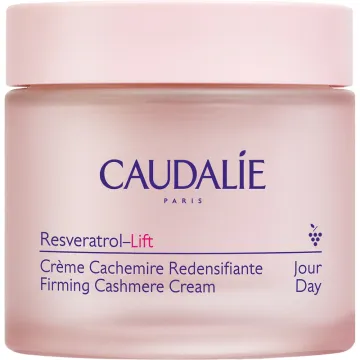
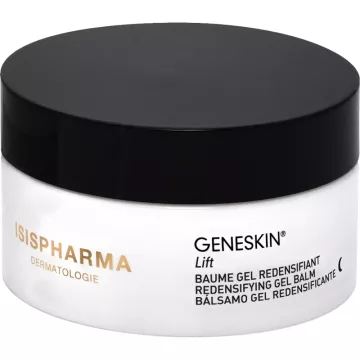
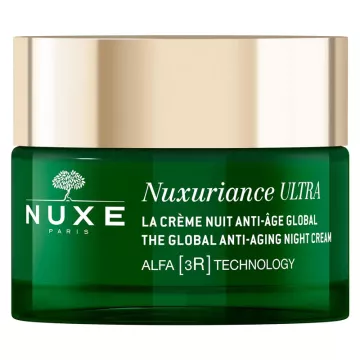
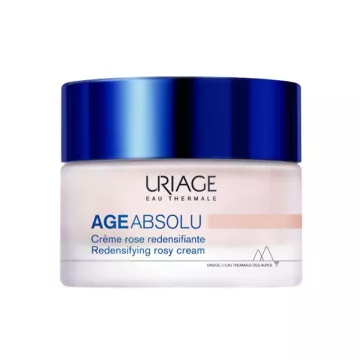
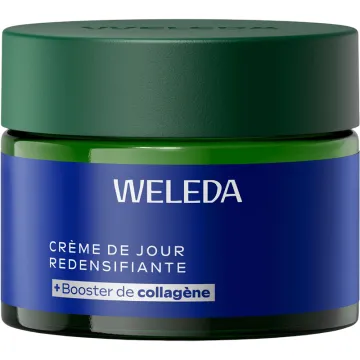
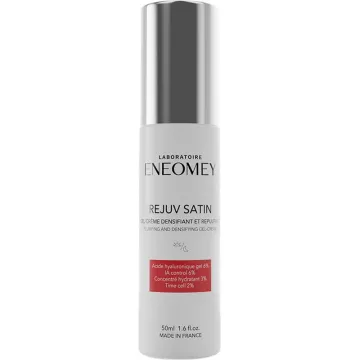
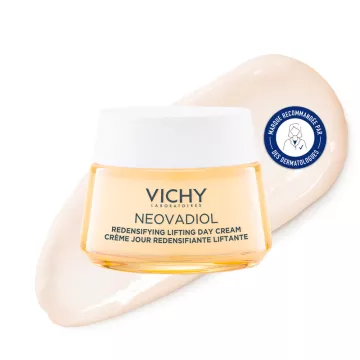
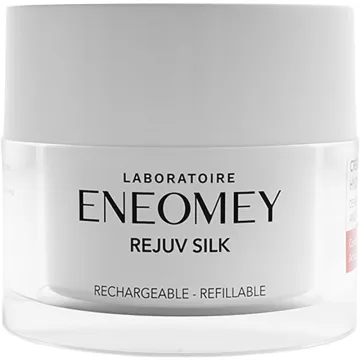
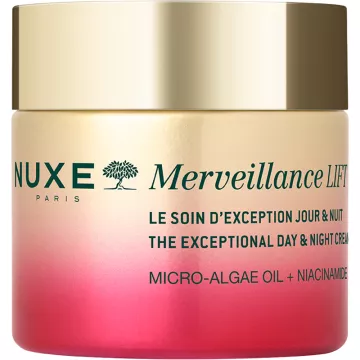
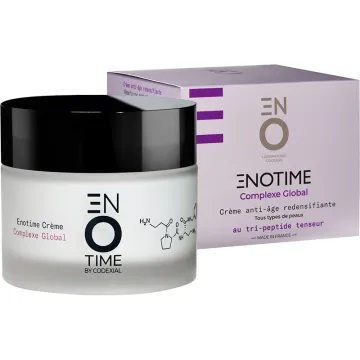
A redensifying cream is a cosmetic product formulated to visibly support the firmness and density of the skin on the face.
With age and exposure to environmental stressors (UV rays, pollution, smoking, oxidative stress), the skin gradually loses its elasticity and comfort.
These creams deliver targeted active ingredients that help maintain the skin’s comfort and plump appearance day after day.
Thanks to active ingredients such as peptides, antioxidants, and hyaluronic acid, they visibly support firmness and help reduce the appearance of wrinkles and fine lines as part of an anti-aging routine.
Redensifying creams are particularly suited for skin showing visible signs of aging: loss of firmness, deep wrinkles, and loss of natural radiance.
They are typically suitable for people aged 40–45 and older, a time when the skin begins to show the effects of aging more visibly.
Skin that has been exposed to UV rays or environmental stressors for prolonged periods may also benefit from earlier, preventive use.
For prevention, daily sunscreen with an SPF of at least 30 remains the most effective anti-aging ally, regardless of age.
A high-quality firming cream combines several proven active ingredients:
Retinol precautions: apply only in the evening; may cause photosensitivity; use SPF 30 or higher the following day; not recommended for pregnant or breastfeeding women. Medical retinoids (tretinoin, isotretinoin) require a separate dermatologist prescription. Vitamin C should be stored away from light.
For optimal results, apply the firming cream morning and night to clean, dry skin.
Apply it after cleansing and, if applicable, applying a serum suited to your skin type.
Use gentle upward strokes to promoteabsorption and improve skin microcirculation.
Consistency is key: apply daily for several weeks to see visible results, and always follow up with a sunscreen with an SPF of at least 30 in the morning.
The results of a firming cream vary depending on skin type, age, and lifestyle habits (sleep, diet, sun exposure).
A visible improvement in firmness and apparent elasticity is generally observed after 4 to 8 weeks of regular use.
The skin appears visibly plumper, with a finer texture and reduced fine lines.
To maintain these benefits, continued use of the cream is recommended, along with sun protection and a skin-friendly lifestyle.
Redensifying and anti-wrinkle creams share anti-aging goals, but their approaches differ.
A redensifying cream generally targets the skin’s overall firmness and visible density through active ingredients such as peptides and hyaluronic acid.
An anti-wrinkle cream specifically targets the appearance of localized wrinkles and fine lines, often using targeted smoothing or plumping active ingredients.
Both products can be complementary in a structured anti-aging routine; choose based on your primary concern.
Oily skin can certainly benefit from a redensifying cream: sebum production does not affect skin firmness.
Choose a lightweight, non-comedogenic, dermatologically tested formula to avoid clogging pores.
Opt for fluid or gel-cream textures, which hydrate without weighing down the skin.
Apply the product to areas that need targeted care: use more on the cheekbones and forehead, and a lighter touch on the T-zone.
The skin around the eyes is thinner and more delicate than the rest of the face.
It’s best to use a cream specifically formulated for this delicate area, which may not tolerate certain highly concentrated active ingredients.
Some firming creams are gentle enough to be applied around the eyes, but always check the manufacturer’s instructions.
Perform a patch test on the inner elbow 48 hours before your first application to check for tolerance.
To effectively incorporate a firming cream, structure your routine into several successive steps.
Start by cleansing your face with a gentle, suitable cleanser, followed by a lotion or toner to refresh the skin.
Next, apply a targeted serum (hyaluronic acid, vitamin C, or peptides), followed by the redensifying cream using upward strokes.
Always finish with a sunscreen with an SPF of at least 30 in the morning to limit the impact of UV rays, the main cause of premature skin aging.
Many redensifying creams are specifically formulated for sensitive skin.
They generally contain soothing active ingredients and are free of synthetic fragrances or allergenic additives.
Always check the INCI list and opt for products that are explicitly dermatologically tested for sensitive skin.
If you have a chronic skin condition (such as rosacea or atopic dermatitis), consult a dermatologist before introducing a new active skincare product into your routine.