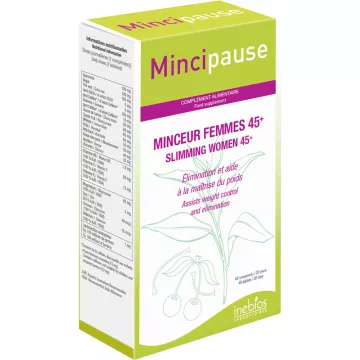
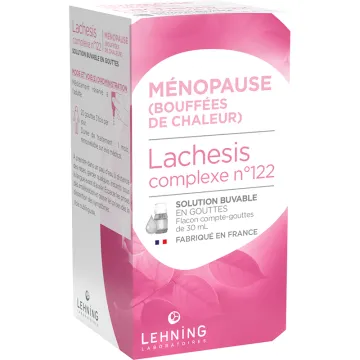
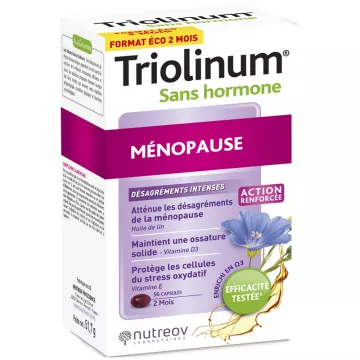
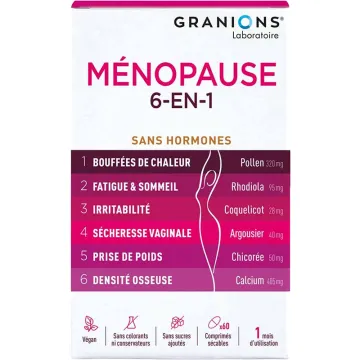
Perimenopause refers to the hormonal transition phase that precedes menopause. Estrogen levels begin to fluctuate irregularly, leading to symptoms that vary from woman to woman. The most common signs include irregular periods, hot flashes, sleep disturbances, mood swings, and a decrease in libido. Hormone tests can confirm this phase, but it is often the clinical evaluation of symptoms that is decisive.
A holistic approach yields the best results. A balanced diet, regular physical activity, and adequate sleep form the foundation. Hormone replacement therapy may be considered for moderate to severe symptoms, under strict medical supervision. Herbal medicine, acupuncture, and meditation are useful complementary approaches. Chasteberry, an adaptogenic plant recognized in herbal medicine, is often cited for its effect on female hormonal balance.
Hormonal fluctuations can take a toll on mental health.Anxiety, irritability, and episodes of depression are common and can significantly impair quality of life. Cognitive-behavioral therapy, psychosocial support, and, in some cases, antidepressants can help manage these symptoms. Openly discussing one’s experiences with a professional or a support group often provides significant relief.
Declining sex hormones can cause vaginal dryness and a decrease in libido, making intercourse uncomfortable or less desirable. Water-based lubricants, vaginal moisturizers, and topical estrogen provide real relief. Open communication with your partner and support from a sexual health specialist can significantly improve the situation.
Declining estrogen levels slow down basal metabolism and promote the accumulation of abdominal fat, even without changes to diet. To counteract these effects, a diet rich in fiber and protein helps limit weight gain. Regular physical activity, including strength training, maintains lean body mass and supports metabolism. Omega-3s help regulate mood and reduce the low-grade inflammation associated with these hormonal changes.
Declining estrogen levels accelerate bone loss, increasing the risk of osteoporosis and fractures. Adequate intake of calcium and vitamin D3 is essential for maintaining bone mineralization. Weight-bearing exercises—such as walking and strength training—stimulate bone remodeling. A bone density test during premenopause helps assess bone mass and plan preventive measures.
Declining estrogen levels are associated with elevated LDL cholesterol and blood pressure, increasing cardiovascular risk. Regularly monitoring these factors, adopting a diet low in saturated fats, and maintaining a regular cardiovascular exercise routine are the cornerstones of prevention. These measures limit the impact of hormonal changes on the health of the heart and arteries.
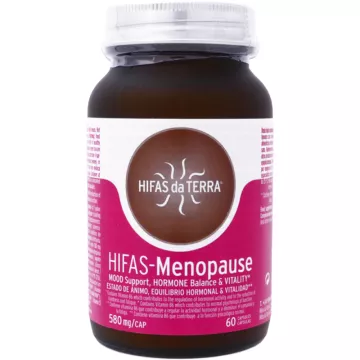
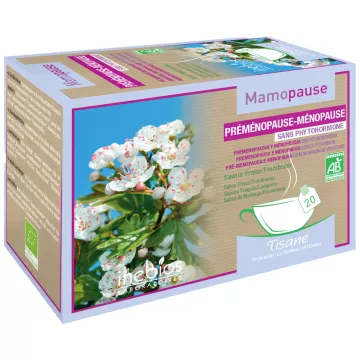
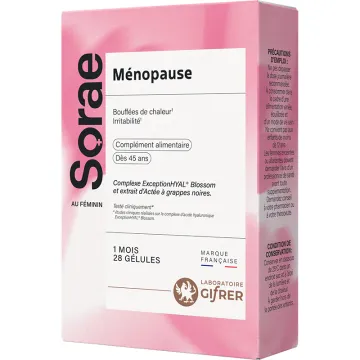
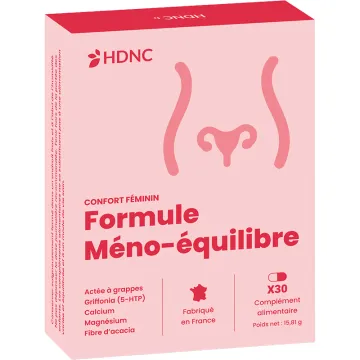
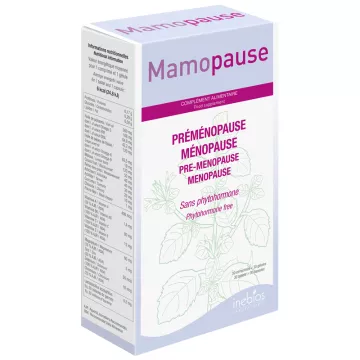
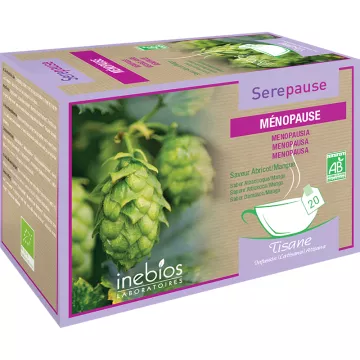
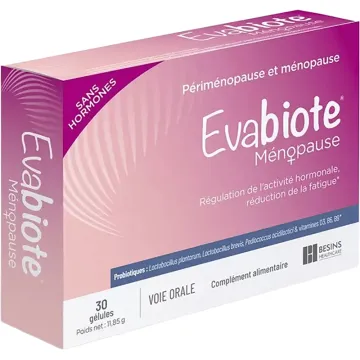
Several medicinal plants and supplements are used to support women during perimenopause. Chasteberry and ginseng are recognized for their effects on hormonal balance and vitality. Phytoestrogens—such as soy isoflavones and red clover—can help alleviate hot flashes. Yoga, meditation, and acupuncture help manage stress and improve overall well-being. Medical advice is essential before taking any supplements.