
The health of pigs on the farm depends on rigorous health monitoring and preventive management of the most common diseases. Respiratory diseases (pneumonia, pleuropneumonia), digestive disorders (neonatal diarrhea in piglets), reproductive diseases (metritis, postpartum MMA syndrome), and musculoskeletal disorders (lameness, arthritis) are the leading causes of morbidity. Mastitis in sows—inflammation of the udder often associated with the Mastitis-Metritis-Agalactia syndrome—is one of the most costly diseases in breeding operations, directly affecting the survival and growth of piglets. As with all farm animals, proper management of environmental conditions, stocking density, and dietary transitions forms the foundation of prevention.
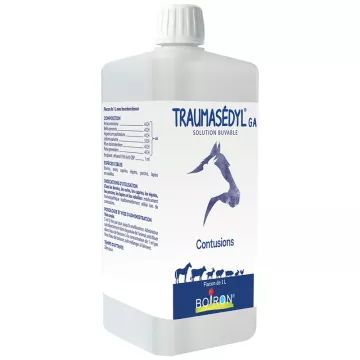
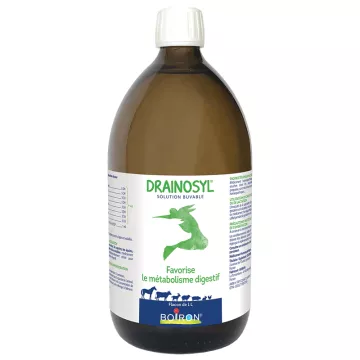
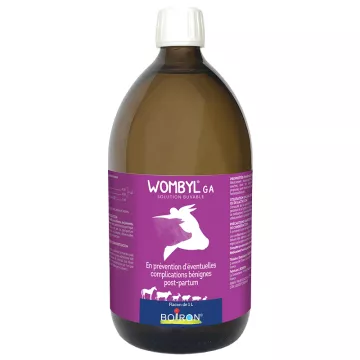
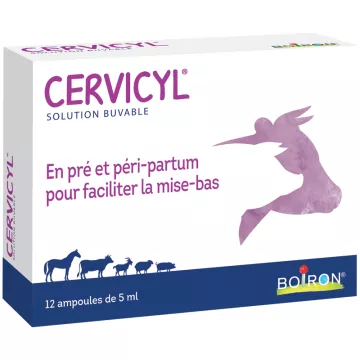
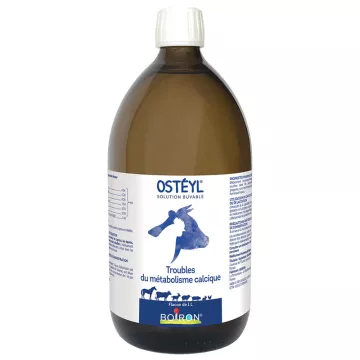
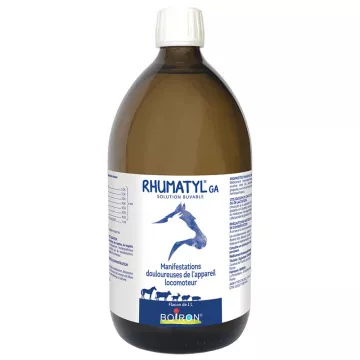
Veterinary homeopathy for large animals (1-liter oral solutions, intramammary ointments) is used in swine and cattle farming as a complementary approach to conventional medicine. The available complex formulations target trauma and contusions (common injuries in intensive farming), rheumatic and musculoskeletal conditions (chronic lameness), liver and kidney drainage, febrile conditions and mammary inflammation, and postpartum uterine disorders. Large-format oral solutions allow for simultaneous administration to multiple animals. Their use is the responsibility of the livestock veterinarian. Cats and other domestic animals also have access to veterinary homeopathic formulations tailored to their species.
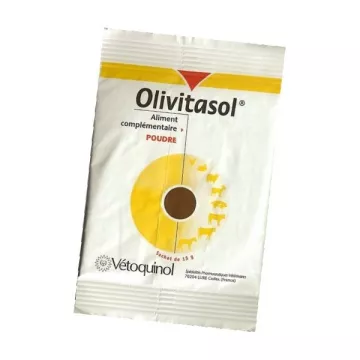
Powdered mineral and vitamin supplements (to be mixed into the feed) are a cornerstone of preventive nutrition. The specific nutritional needs of swine farming primarily concern:
Multipurpose mineral powders cover all of these needs with a single daily dose. These same principles apply to puppies and young animals of all species, whose mineral requirements are high during growth.
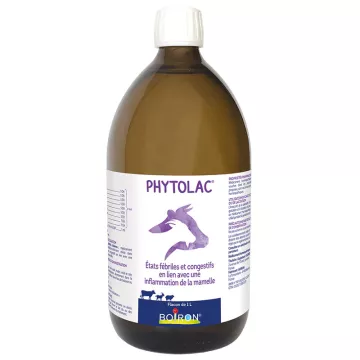
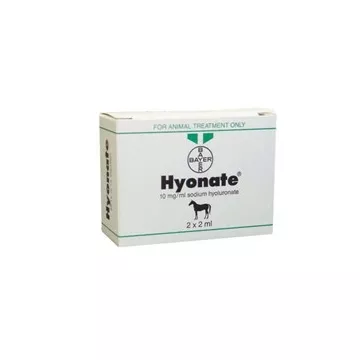
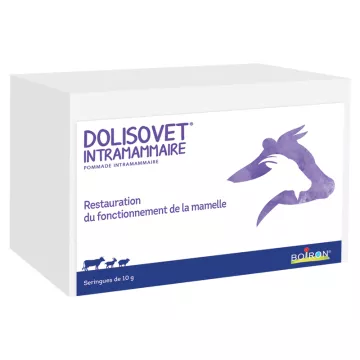
MMA syndrome occurs within 12 to 24 hours after farrowing and constitutes a veterinary emergency: hyperthermia, hardening and redness of the udders, and refusal to nurse. Conventional treatment combines antibiotics, anti-inflammatory drugs, and oxytocin to stimulate milk let-down. As a complementary approach, the Phytolac formula (Phytolacca decandra, indicated for febrile conditions and mammary inflammation) and homeopathic intramammary ointment are administered for mild to moderate cases. Veterinary-grade injectable hyaluronic acid is used for chronic joint conditions in breeding sows exhibiting lameness. Monitoring young animals —piglets or kittens—requires the same vigilance from the very first hours of life.
Biosecurity is the most effective and cost-efficient preventive measure. A sanitary break between batches, the “all-in, all-out” principle (emptying, cleaning, and disinfecting buildings between each batch), quarantining newly introduced animals, and controlling animal movements reduce the risk of introducing new pathogens. Managing stocking density limits injuries and stress—factors that compromise immunity. An appropriate vaccination program (against PRRS, PCV2, and Aujeszky’s disease, depending on the herd’s status) should be established with the veterinarian. Adult animals of all species benefit from this same approach, which combines hygiene, nutrition, and regular veterinary monitoring.