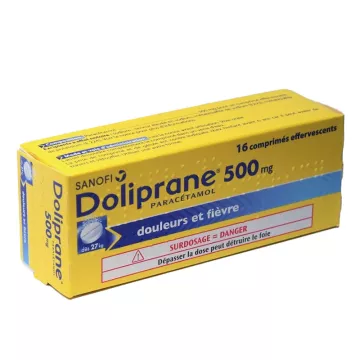
What is acetaminophen, and how does it differ from NSAIDs?
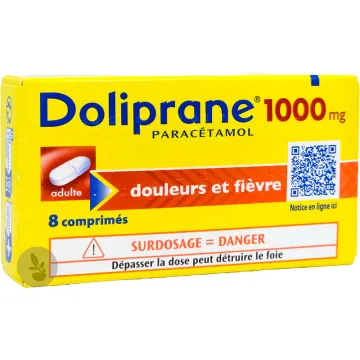
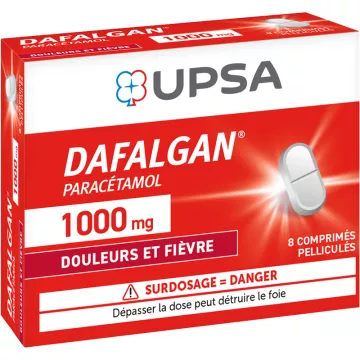
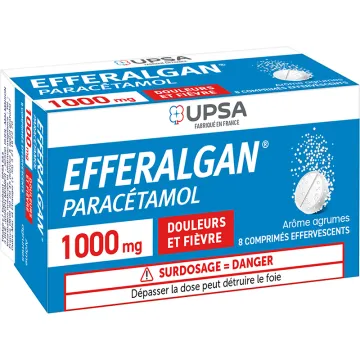
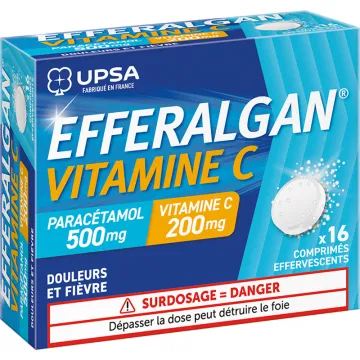
Paracetamol (acetaminophen) is the world’s leading analgesic and antipyretic—but its role in pharmacology is often misunderstood. Its key distinguishing feature is the absence of anti-inflammatory effects, which fundamentally sets it apart from aspirin and ibuprofen. Our line of pain relievers complements pharmaceutical treatments with appropriate natural active ingredients.
- Mechanism of action: acts primarily on the central nervous system, affecting pain pathways and thermoregulation—does not significantly inhibit peripheral COX → no anti-inflammatory effect, no antiplatelet effect
- Advantages over NSAIDs: no gastric irritation, no risk of ulcers, no effect on platelets, no cardiovascular or renal contraindications at therapeutic doses — first-line treatment for the elderly, in cases of a history of ulcers or moderate renal insufficiency
- Limitations compared to NSAIDs: ineffective if the inflammatory component predominates (acute sprain, tendinitis, sinusitis, acute arthritis flare-up) — in these cases, ibuprofen or another NSAID is more appropriate
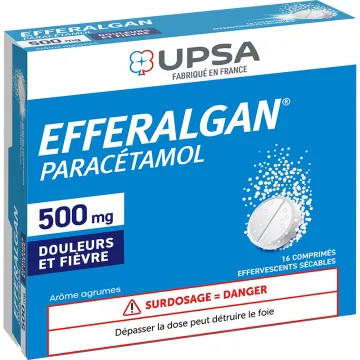
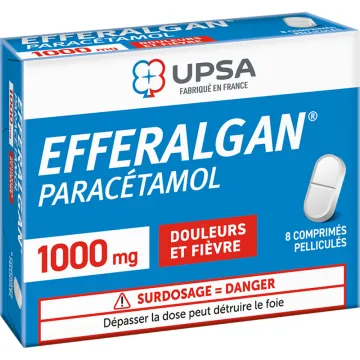
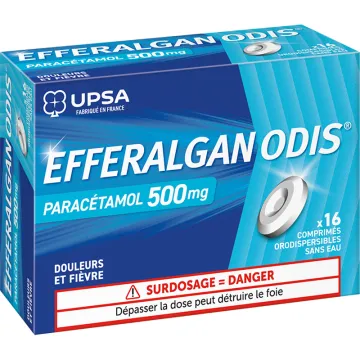
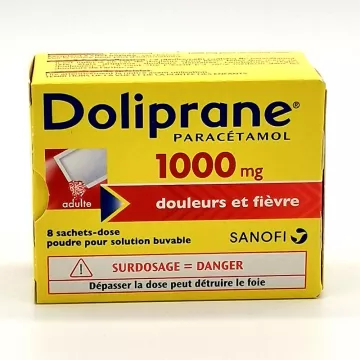
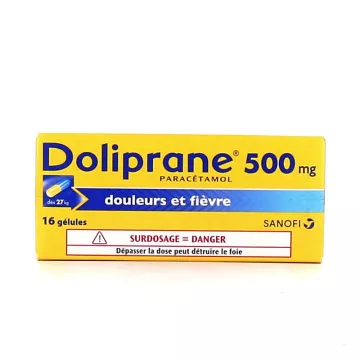
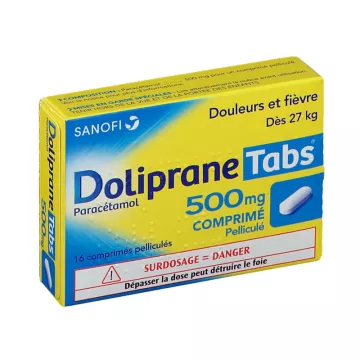
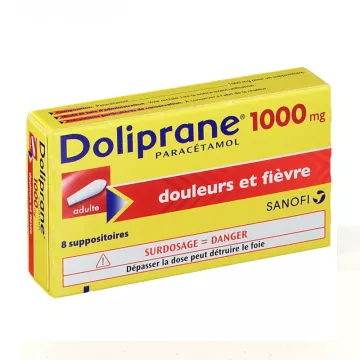
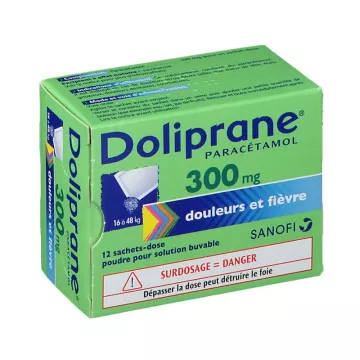
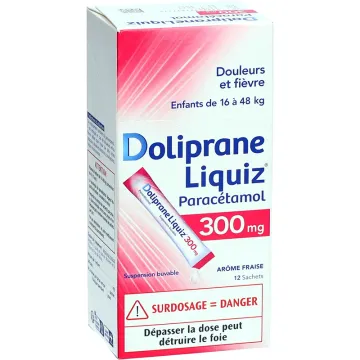
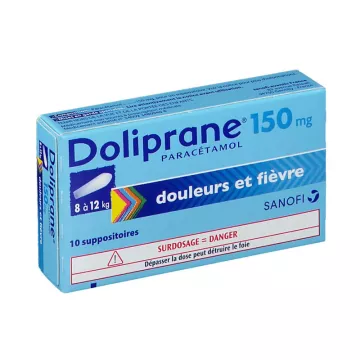
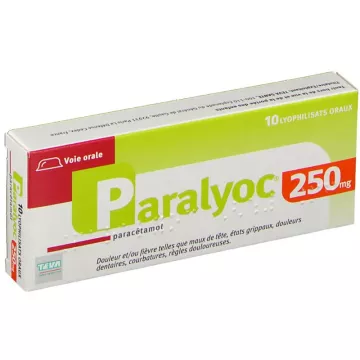
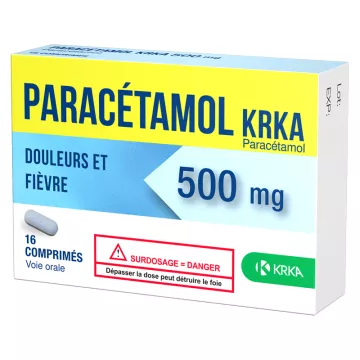
- Available forms: tablets, capsules, effervescent packets, suppositories, oral solution (pediatric) — all equally effective if bioavailability is good
- Available over the counter up to 1 g per dose — sold exclusively in pharmacies in France since 2020 (removed from mass-market retailers)
Dosage, special populations, and drug interactions
- Adults > 50 kg: 500 mg to 1 g every 4–6 hours — maximum 3 g/day for self-medication (4 g/day only under medical supervision)
- Children: 15 mg/kg per dose every 6 hours — maximum 60 mg/kg per day — appropriate pediatric formulations (suspension, suppositories dosed by weight range)
- Elderly: Reduce to a maximum of 3 g/day—slowed hepatic clearance—space doses 6–8 hours apart if possible
- Pregnancy and breastfeeding: first-line analgesic — safe during all stages of pregnancy at recommended doses — minimal transfer into breast milk — use at the lowest effective dose for the shortest possible duration
- Combination of acetaminophen and NSAIDs: documented analgesic synergy — reduces the individual doses of each compound — validated for postoperative and trauma settings — use only under medical supervision
Hepatotoxicity, alcohol, and overdose: what you absolutely need to know
Acetaminophen is the drug most commonly involved in drug poisonings in France—extreme caution is required regarding dosages and drug combinations.
- Mechanism of hepatic toxicity: at therapeutic doses, the liver metabolizes acetaminophen without issue — in cases of overdose, the toxic metabolite NAPQI accumulates and destroys hepatocytes
- Overdose threshold in healthy adults: >8–10 g in a single dose—reduced to 5–6 g in patients with liver failure, malnutrition, or chronic alcoholism
- Alcohol + acetaminophen: Chronic alcohol use induces the enzymes responsible for NAPQI production—even at normal therapeutic doses, the risk of liver damage increases significantly—never combine regular alcohol consumption with acetaminophen without medical advice
- Antidote: N-acetylcysteine (NAC)—effective if administered within < 8–10 hours after ingestion—call 15 immediately without waiting for symptoms (liver necrosis sets in after 24–72 hours, by which time it is too late)
- Be aware of hidden combinations: Many medications contain acetaminophen (cold and flu medications, combination opioid medications)—adding up the sources increases the risk of overdose
Natural alternatives and when to switch to a specific treatment?
- Turmeric (curcumin): if there’s an inflammatory component associated with the pain—it works where acetaminophen cannot (COX-2 inhibition)—a bioavailable formulation is required
- Magnesium: for muscle pain and spasms—complementary support without straining the liver
- Omega-3: for chronic joint pain—natural anti-inflammatories with no risk to the liver or stomach
- If acetaminophen is ineffective after 48 hours for mild to moderate pain: consult a doctor — this may indicate an inflammatory component requiring an NSAID or neuropathic pain requiring an adjunct treatment
- Never take more than 3 g/day without medical supervision — if you suspect accidental overdose, call 15 or the Poison Control Center (0 800 59 59 59) immediately