What is a whitlow?
A whitlow is an acute infection of the soft tissues of a finger or toe, most commonly located around the nail (periungual groove, nail bed, proximal fold) or on the fingertip. It results from a minor skin injury: a sting, splinter, cut, traumatic manicure, picking at hangnails (small strips of skin around the nails), or nail-biting. Bacteria (primarily *Staphylococcus aureus*, sometimes streptococci) enter the skin and cause inflammation that is initially diffuse but eventually localizes as an abscess.
There are several forms, depending on the location:
- Perungual whitlow (the most common): around the nail, in the nail groove, or at the base.
- Subungual paronychia: under the nail plate.
- Pulpal paronychia: affecting the fingertip, deeper and more painful.
- Erysipeloid paronychia: a rare form with extensive inflammation.
- Deeper forms affecting the tendons, joints, or bone (phlegmon, osteomyelitis): surgical emergencies.
How can you recognize the symptoms of a whitlow?
It is important to distinguish between two stages, as they guide treatment:
- Phlegmonous stage (diffuse inflammation, early stage): redness, warmth, moderate swelling around the nail, pain triggered by pressure. This daytime pain remains bearable and does not interfere with sleep.
- Collected stage (abscess, presence of pus): intense, throbbing pain that may cause insomnia; a tense, fluctuating swelling (“feeling of a fluid-filled pocket under the finger”); pus visible through the skin or upon lancing; sometimes fever. This stage requires surgical drainage by a doctor.
Warning signs require prompt medical attention:
- Intense, throbbing pain that prevents sleep (sign of an abscess).
- A red streak spreading upward along the finger or limb (lymphangitis).
- Painful lymph node in the armpit or elbow crease.
- Fever, chills, and general malaise.
- Functional impairment of the finger (inability to bend it, pain during passive movement).
- Clusters of blisters (suggestive of herpetic whitlow).
What are the main causes of a whitlow?
Whitlow is primarily bacterial, most commonly caused by Staphylococcus aureus (sometimes methicillin-resistant—MRSA, especially in hospital settings or with repeated medical care), and more rarely by β-hemolytic streptococci or anaerobes (bite-related whitlow).
Several factors contribute to its development:
- Minor periungual injuries: pricks, splinters, cuts, removal of hangnails, aggressive or unhygienic manicures.
- A habit of biting nails or picking at the skin (onychophagia, dermatophagia).
- Chronic maceration of the fingers or toes (hands that are frequently wet, waterproof gloves, closed-toe shoes).
- Diabetes, immunosuppression, immunosuppressive treatments, long-term corticosteroids, chemotherapy, anticoagulants.
- High-risk occupations: healthcare workers, divers, plumbers, gardeners, cooks, and estheticians.
- Animal or human bite on a finger (polymicrobial flora, high risk of infection).
- Wound contaminated with soil or organic matter.
Herpetic whitlow is a specific form of *Herpes simplex*: it is important to recognize it because treatment involves antiviral medication, and incision is contraindicated (risk of spreading the infection). It is more common among healthcare workers, dentists, and children with cold sores.
How can a whitlow be treated effectively?
Treatment depends on the stage:
- Phlegmonous stage (without abscess) — outpatient medical management:
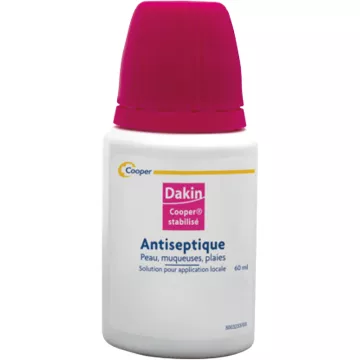
- Warm antiseptic finger soaks 2 to 3 times a day for 10 minutes (aqueous chlorhexidine or diluted povidone-iodine according to recommendations).
- Disinfect after each soak and apply a protective dressing.
- Prescription oral antibiotics in certain cases (compromised immune system, marked local signs, specific circumstances).
- Appropriate analgesics (acetaminophen as first-line treatment).
- Close monitoring of the condition: if the pain becomes throbbing or prevents sleep, or if a fluctuation develops, this indicates that an abscess is forming → seek prompt medical attention for drainage.
- Collected stage (abscess) — surgical management:
- Incision and drainage performed by a physician (primary care physician, emergency physician, or surgeon) under local anesthesia. This is the key step: warm baths and antibiotics are no longer sufficient.
- Excision of necrotic tissue if necessary.
- Protective dressing and regular nursing care.
- Concomitant antibiotic therapy if there are systemic symptoms, lymphangitis, risk factors, or suspicion of deep extension.
- Verification of tetanus vaccination status.
- Appropriate analgesics.
- Deep forms (fascial phlegmon, osteomyelitis): surgical emergencies in a specialized setting (hand surgery consultation), exploration and irrigation in the operating room, targeted intravenous antibiotic therapy.
- Herpetic whitlow: antivirals (oral acyclovir), analgesics, no incision. Spontaneous resolution within 2 to 3 weeks with treatment.
- Chronic paronychia (often caused by Candida): topical or oral antifungals; avoid maceration.
Self-medication with antibiotics and prolonged use of antibiotic ointments are not appropriate (antibiotic resistance, hypersensitivity reactions, delayed diagnosis). Similarly, **do not cut open a whitlow yourself** (risk of bacterial spread, tendon or vascular injury).
How can you prevent a whitlow from developing?
Several simple steps can reduce the risk:
- Regular hand and nail hygiene (washing with soap and water, drying thoroughly).
- Do not bite your nails or pick at the skin around your nails.
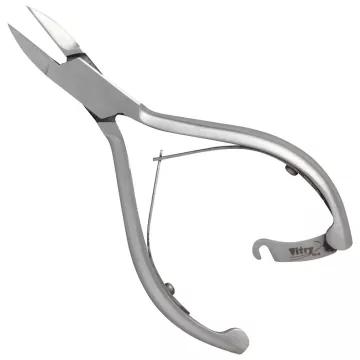
- Gentle manicures; use clean scissors and nail clippers that have been disinfected before use. Do not cut the cuticle aggressively (it acts as a barrier).
- Immediately disinfect any small cuts, splinters, or puncture wounds.
- Wear appropriate gloves for activities that expose the hands (gardening, DIY, housework, dishwashing).
- Dry your fingers thoroughly after prolonged contact with water.
- See “Strengthening Fragile and Damaged Nails” for care tips.
- For feet: wear well-ventilated shoes, dry between the toes, and trim nails straight across to prevent ingrown toenails.
- Monitor high-risk conditions (diabetes, immunosuppression).
When should you see a doctor for a whitlow?
A doctor’s visit is recommended:
- As soon as a whitlow is suspected, especially in high-risk cases (diabetes, immunosuppression, corticosteroids/chemotherapy/anticoagulants, the elderly, children).
- If the pain becomes severe, throbbing, or keeps you awake at night (a sign of an abscess—drainage is essential).
- If a fluctuation appears under the finger (fluid collection).
- If you notice any red streak spreading upward along the limb.
- If fever, chills, or malaise develop.
- In case of functional impairment of the finger or pain during passive movement (suspected fasciitis—**emergency**).
- If there is no improvement after 48 hours of local treatment.
- In the event of an animal or human bite.
- If herpes whitlow is suspected (clustered blisters, history of exposure to cold sores).
- Check tetanus vaccination status in the event of a contaminated wound.
What are the possible complications of an untreated whitlow?
A neglected whitlow can lead to serious complications:
- Phlegmon: spread of infection to deep tissues, extensive abscess.
- Phlegmon of the flexor tendonsheaths: surgical emergency, significant functional risk (stiffness, loss of mobility).
- Septic arthritis: infection of the interphalangeal joint.
- Osteitis or osteomyelitis: bone infection, requiring prolonged antibiotic treatment; surgery may sometimes be necessary.
- Lymphangitis: spread through the lymphatic vessels (ascending red streak).
- Sepsis: bacteria entering the bloodstream, life-threatening emergency (rare).
- Onyxis: permanent change in the nail.
- Contracture scars, functional sequelae.
See “Wound Healing” for post-drainage care and “Wounds” for general care principles.
Are children more prone to whitlows?
Yes, children are particularly at risk:
- Frequent nail-biting (onychophagia) or thumb-sucking.
- Handling unwashed objects.
- Splinters and small cuts while playing.
- Sometimes poor hand hygiene.
- Possible presence of cold sores in the child (risk of herpetic whitlow due to self-inoculation).
Some precautions to follow: keep nails short and trimmed straight, wash hands regularly, disinfect minor wounds immediately, and avoid sucking on a wound. If whitlow is confirmed in a child, medical care is recommended (assessment, monitoring, and tetanus vaccination).
Can natural remedies be used to treat whitlow?
Some approaches can complement treatment in the early stages (without an abscess), but should not replace it:
- Warm baths for 10 minutes, 2 to 3 times a day: soothing effect, softens the tissue. Adding Epsom salt is a traditional practice but lacks robust clinical data—warm water alone already has a beneficial effect.
- Topical antiseptics (aqueous chlorhexidine, povidone-iodine) applied after the soaks, followed by rinsing and drying.
- Disinfect manicure tools and wash hands after contact.
- Warm green clay poultice: a cosmetic tradition with limited data; use with caution (never on ulcerated or weeping skin).
Avoid: applying undiluted essential oils directly to the affected area (irritation, delayed diagnosis), making a spontaneous incision, applying non-sterile products, or delaying medical consultation if pain intensifies.
Any adverse development lasting longer than 48 hours requires a medical consultation.
How can you tell the difference between a whitlow and simple inflammation?
Some clinical indicators:
- Simple inflammation (irritation, early-stage paronychia): moderate redness, discomfort, sometimes slight swelling, mild pain. The condition improves within 24 to 48 hours with local care and disinfection.
- Warping at the phlegmonous stage: more pronounced redness, warmth, swelling, pain triggered by pressure but still tolerable.
- Wart in the suppurative stage: intense, throbbing pain, sometimes severe enough to cause insomnia; fluctuation; visible pus; sometimes fever— surgical drainage is essential.
- Herpetic whitlow: clusters of vesicles on an erythematous base, burning pain, suggestive clinical picture. No incision: antiviral medications.
- Chronic paronychia (Candida): slow progression, swelling of the periungual folds without a clear collection of pus, moist environment. Antifungal treatment.
- Tumors or non-infectious inflammatory lesions (pyogenic granuloma, lichen, psoriasis, nail melanoma): should be considered if the course is atypical; a dermatological consultation is required.
When in doubt, do not delay: a medical evaluation can prevent progression to an abscess and its complications. See also herpes for differentiation from herpetic whitlow.
What precautions should be taken for occupations at risk for whitlow?
Several professions carry an increased risk: healthcare workers (doctors, nurses, dentists, nursing assistants), cooks, dishwashers, estheticians, nail technicians, gardeners, farmers, plumbers, mechanics, and janitors.
Some best-practice recommendations:
- Always wear gloves appropriate for the task (latex, nitrile, vinyl, or leather gloves for manual work) and change them regularly.
- Strict hand hygiene: wash with soap and water or use an alcohol-based hand rub.
- Dry hands thoroughly after each exposure to moisture.
- Immediately disinfect any cuts, puncture wounds, or splinters, no matter how minor.
- Monitor for early signs of inflammation and seek immediate medical attention if any appear.
- Keep the tetanus vaccination schedule up to date.
- For healthcare providers: Report any exposure to a patient with MRSA or cold sores.
- Apply emollient creams at the end of the day to protect the skin barrier around the nails.