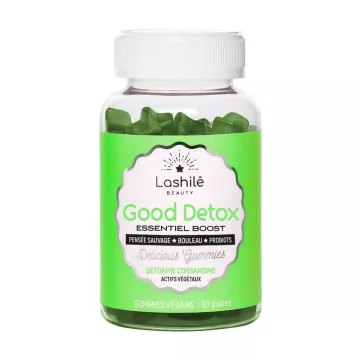
What is organ cleansing, and what does it actually involve?
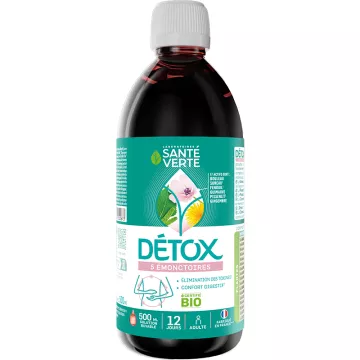
Organ cleansing refers to a range of approaches designed to support the natural detoxification capabilities of the emunctory organs—the liver, kidneys, intestines, lungs, and skin—in order to reduce the body’s toxic load. It is not a mechanical process but rather a stimulation of the body’s existing physiological elimination pathways. A healthy body has its own ongoing cleansing mechanisms: a detox program aims to optimize these mechanisms, particularly after periods of overload (overeating, prolonged medication use, chronic stress, or exposure to pollutants). Symptoms such as persistent fatigue, bloating, dull skin, or frequent headaches may indicate that these systems are under excessive strain.
Which organs should be prioritized for cleansing, and how?
Each emunctory organ requires specific approaches:
- Liver: milk thistle, desmodium, artichoke, and turmeric for detoxification and liver protection.
- Kidneys: birch sap, cherry stems, and orthosiphon to stimulate urinary filtration.
- Intestines: prebiotic fiber, probiotics, and herbs that promote bowel movement —a sluggish intestine prolongs the contact between waste and the intestinal lining.
- Lungs: expectorant herbs (thyme, eucalyptus), deep breathing, aerobic exercise.
- Skin: hydration, sweating through exercise or a sauna, and regular exfoliation.
An effective holistic treatment targets multiple emunctory organs simultaneously rather than focusing on just one.
What foods and herbs support organ cleansing?
Certain foods and herbs have particularly useful cleansing properties:
- Garlic: rich in sulfur compounds (allicin), it stimulates phase II liver detoxification enzymes and supports the elimination of heavy metals.
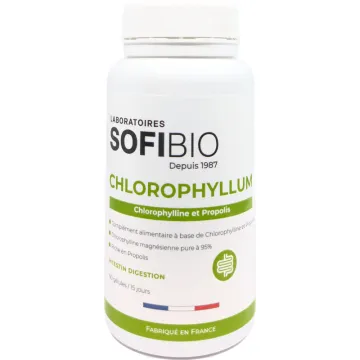
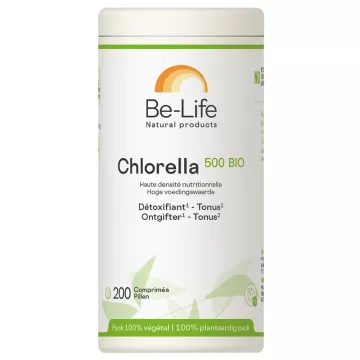
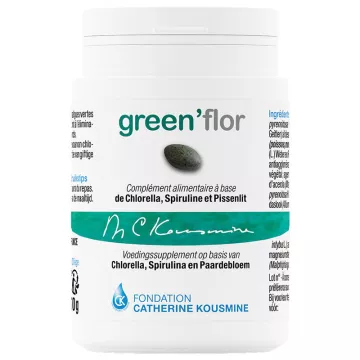
- Chlorella: a microalgae with documented chelating properties for certain heavy metals (mercury, lead), while providing a high nutritional density of chlorophyll, vitamins, and minerals.
- Lemon and citrus fruits: Their vitamin C supports glutathione synthesis and stimulates bile production, improving fat digestion and the elimination of fat-soluble toxins.
- Dark leafy greens (spinach, arugula, kale): rich in chlorophyll and sulfur-containing compounds that activate the liver’s Phase II detoxification pathways.
A rule of thumb: the more colorful and varied your plate is, the broader the range of antioxidants and detoxifying compounds you’ll consume. Aim for at least 6 different colors of fruits and vegetables per week.
How can you incorporate organ cleansing into your daily routine?
Effective organ cleansing doesn’t necessarily require intensive cleanses—regular habits are often more beneficial:
- Start each morning with a large glass of water with fresh lemon to stimulate bile production.
- Get at least 30 minutes of daily physical activity to promote sweating and lymphatic circulation.
- Eat at least 5 servings of fruits and vegetables a day, varying the colors to cover a wide range of antioxidants.
- Limit alcohol and ultra-processed foods, which overload the body’s filtration systems.
- Get enough sleep: nighttime is the primary period for liver and lymphatic regeneration.
Two to four seasonal detox regimens, each lasting 3 to 4 weeks and supported by these daily habits, constitute the most sustainable approach.
Does organ cleansing affect immunity?
Yes: a healthy liver and gut are the foundation of a robust immune system. The liver produces immune proteins (including CRP and complement factors) and filters out pathogens. The gut is home to 70% of immune cells. Regular cleansing that preserves the integrity of the intestinal mucosa and reduces the inflammatory burden directly contributes to strengthening natural immunity. Vitamin D3 supplementation supports both liver function and the immune response, two closely linked systems.