What is oily skin?
Oily skin is characterized by excessive sebum production by the sebaceous glands. This skin type often has a shiny appearance, visible pores, and is more prone to blemishes such as blackheads oracne. A tailored skincare routine can help restore clearer, more balanced skin over the course of several weeks.
What causes oily skin?
Several factors can increase sebum production:
- Hormonal factors: Fluctuations during adolescence, pregnancy, or the menstrual cycle stimulate the sebaceous glands.
- Genetics: A predisposition to oily skin is partly hereditary.
- Diet: Excessive consumption of simple sugars and saturated fats worsens the condition of the skin.
- Stress: Cortisol released during times of stress increases sebum secretion.
What are the best skincare products for oily skin?
To care for oily skin, follow a tailored five-step routine:
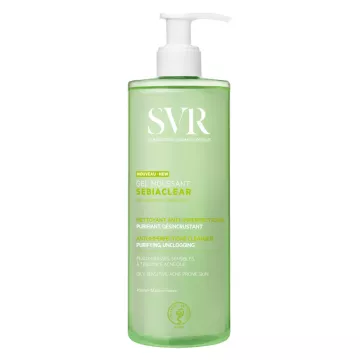
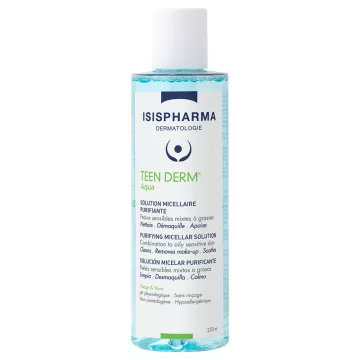
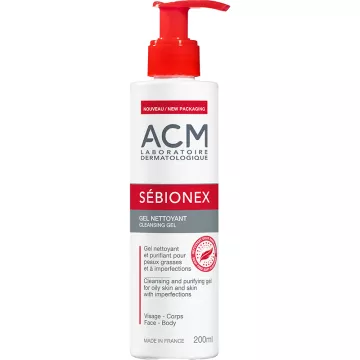
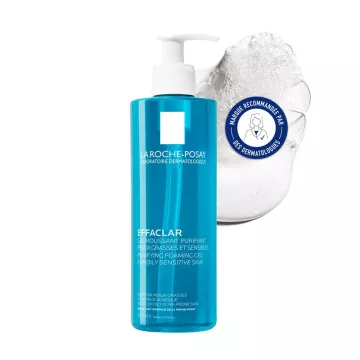
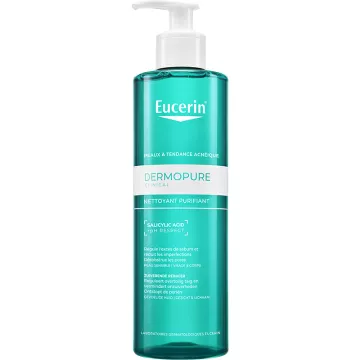
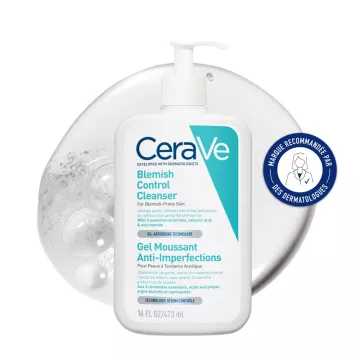
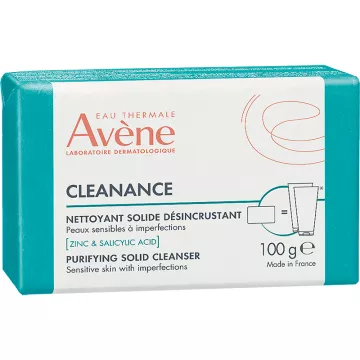
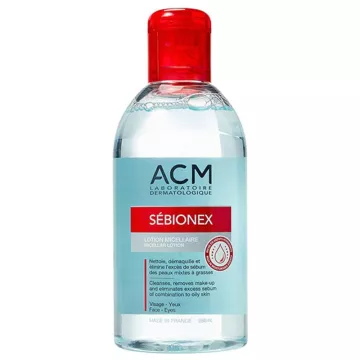
- Cleansing: Use a gentle, alcohol-free cleanser to remove excess sebum without irritating the skin.
- Exfoliation: Exfoliate regularly to limit the buildup of dead skin cells and unclog pores.
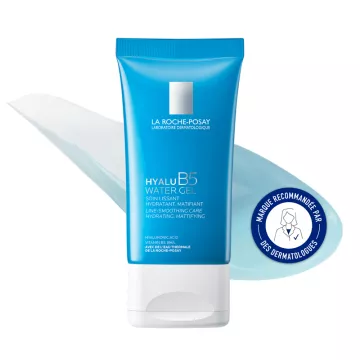
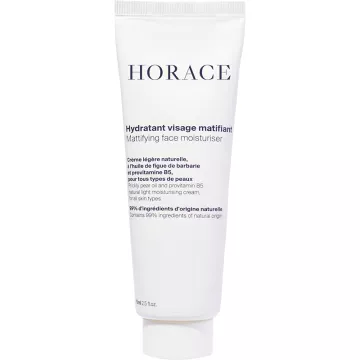
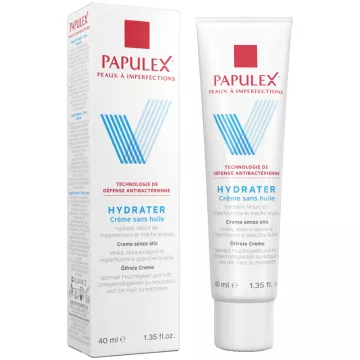
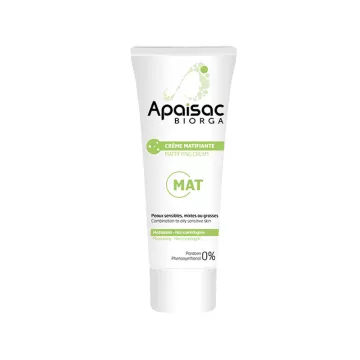
- Moisturizing: Choose a non-comedogenic, lightweight, water-based moisturizer.
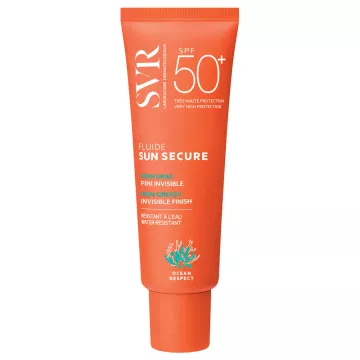
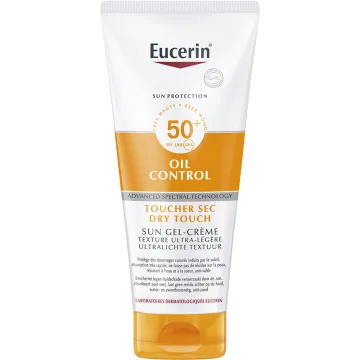
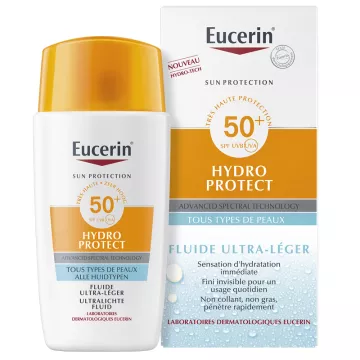
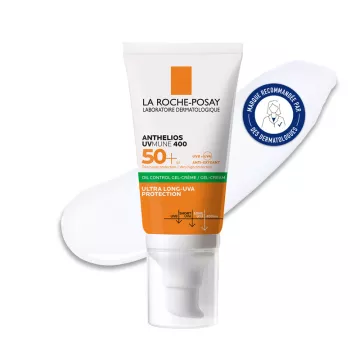
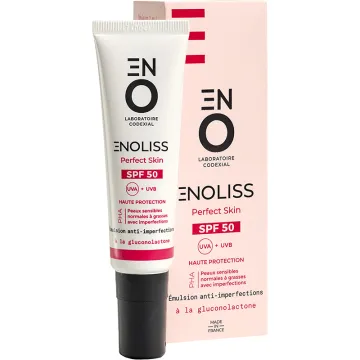
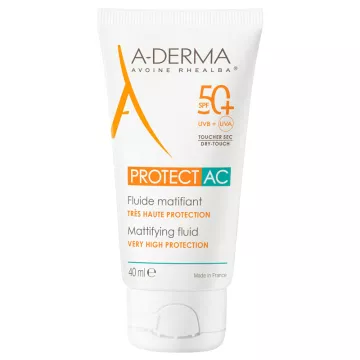
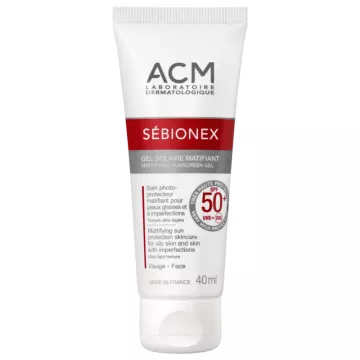
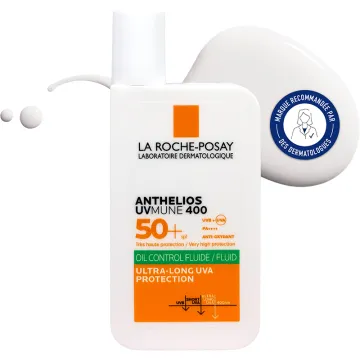
- Sun protection: Apply a mattifying sunscreen to protect your skin without increasing shine.
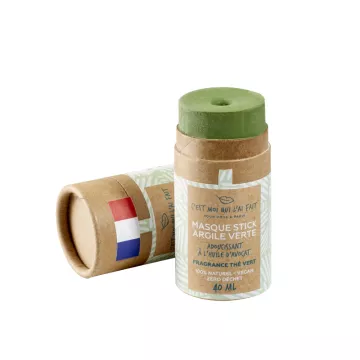
- Face masks: Useclay or charcoal masks once or twice a week to absorb excess oil.
What ingredients should you avoid in products for oily skin?
To avoidaggravating symptoms, steer clear of certain ingredients:
- Heavy oils such as coconut oil or olive oil, which easily clog pores.
- Denatured alcohol: It dries out the skin’s surface and, paradoxically, stimulates sebum production through a rebound effect.
- Syntheticfragrances and dyes, which can irritate the skin and cause breakouts.
How can you reduce shine on oily skin?
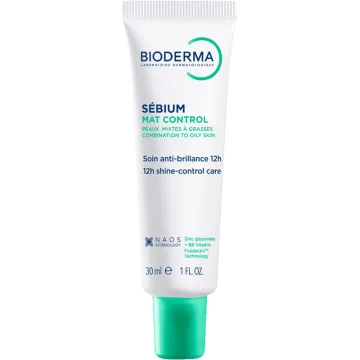
Controlling shine is essential for oily skin:
- Blotting papers: absorb excess sebum throughout the day without disrupting your makeup.
- Mattifying powders: Apply compact or loose powders formulated to control shine.
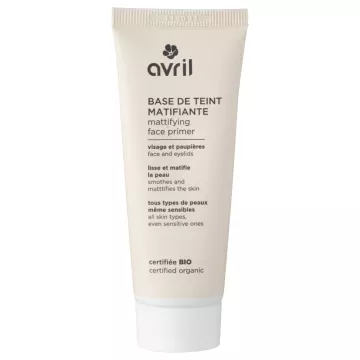
- Makeup primer: Opt for mattifying primers to extend the wear of your makeup and limit shine throughout the day.
Can you prevent breakouts on oily skin?
With the right routine, it’s entirely possible to prevent breakouts:
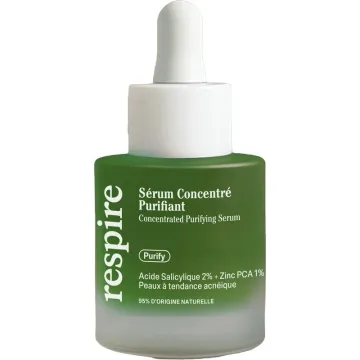
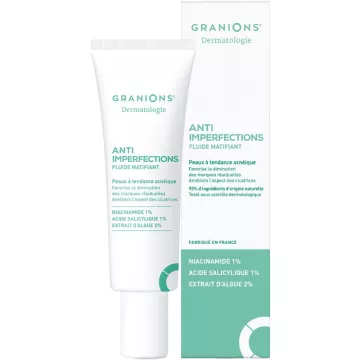
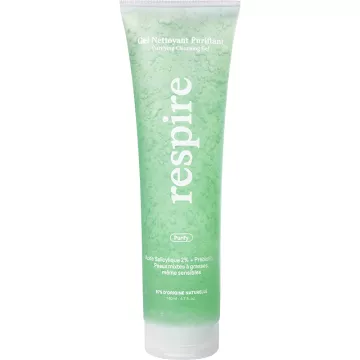
- Deep cleansing: Choose cleansers containingsalicylic acid, which penetrates the pores and unclogs them.
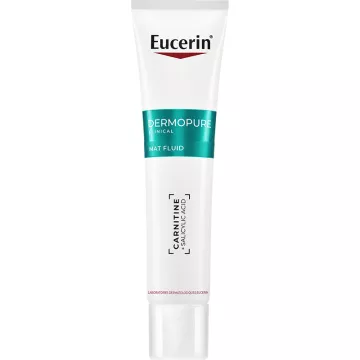
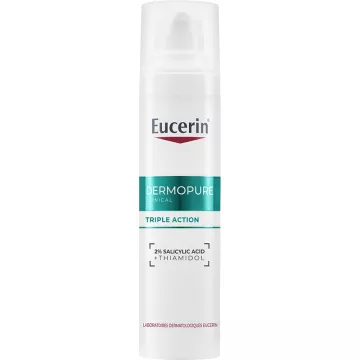
- Targeted treatments: Apply benzoyl peroxide or salicylic acid gels as needed to problem areas.
- Moisturizing: Even oily skin needs moisture to maintain a healthy skin balance and prevent excess sebum production.
For a complementary approach, explore the line dedicated to skin imperfections.
What makeup is recommended for oily skin?
For oily skin, choose makeup products specifically formulated for it:
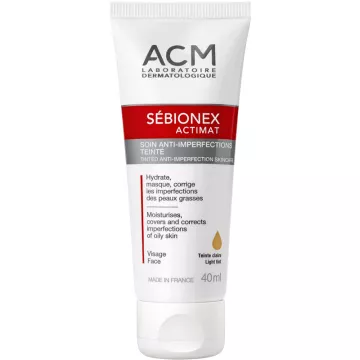
- Non-comedogenic foundation: opt for lightweight, mattifying formulas.
- Mineral powders: they absorb excess sebum and prevent shine.
- Setting sprays: they help your makeup last longer while minimizing shine.
What mistakes should you avoid with oily skin?
Certain mistakes can quickly worsen the symptoms of oily skin:
- Over-cleansing: Washing your face too often strips the skin of its natural oils and stimulates sebum production.
- Harsh products: Abrasive or drying skincare products irritate the skin and increase sebum production.
- Skipping moisturizing: Neglecting the moisturizing step triggers compensatory sebum overproduction.
Are natural skincare products effective for oily skin?
Several natural skincare products offer tangible benefits for oily skin:
- Aloe vera: soothing and moisturizing, it works without clogging pores.
- Green tea: Rich in antioxidants, it helps regulate sebum production and reduce inflammation.
- Green clay: effectively absorbs excess sebum and deeply purifies the skin.
What diet should you follow to reduce oiliness?
A balanced diet directly impacts skin quality:
- Limit refined sugars: Foods with a high glycemic index stimulate sebum production.
- Prioritize omega-3s: Fatty fish, nuts, and flaxseeds reduce inflammation and regulate sebum.
- Drink enough water: proper hydration supports skin balance and helps eliminate toxins.
Are homemade face masks effective for oily skin?
Homemade face masks offer real benefits as long as they’re properly balanced. Here are a few particularly suitable ingredients:
- Green clay: absorbs excess sebum and purifies pores.
- Honey: combines antibacterial properties with moisturizing power.
- Cucumber: soothes, refreshes, and moisturizes while reducing local inflammation.
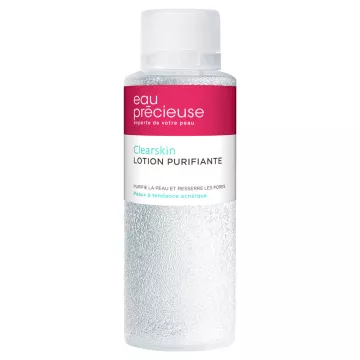
What role do toners play for oily skin?
Toners play a key role in a routine for oily skin:
- Pore tightening: they visibly shrink enlarged pores.
- pH balance: They restore the skin’s natural pH after cleansing.
- Sebum control: Some toners contain salicylic acid to regulate sebum production.
Are essential oils suitable for oily skin?
Certain essential oils offer targeted benefits for oily skin:
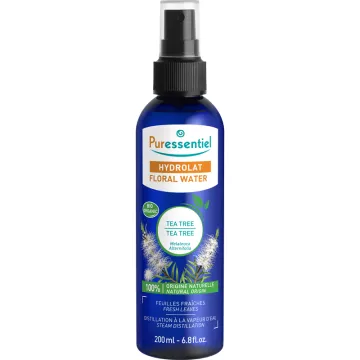
- Tea tree: antibacterial and anti-inflammatory, essential for combating breakouts.
- Lavender: soothes the skin and reduces the appearance of blemishes.
- Geranium: regulates sebum production and restores the skin’s balance.
Always dilute essential oils in a non-comedogenic carrier oil before application and perform a patch test first.
How can you treat acne scars on oily skin?
To minimize acne scars on oily skin, several approaches can be used together:
- Chemical exfoliation: AHA- or BHA-based treatments renew the skin and visibly smooth the skin’s texture.
- Retinoids: Retinoid-based creams stimulate collagen production and smooth out superficial scars.
- Professional treatments: A dermatologist may recommend chemical peels, microdermabrasion, or laser treatment for more pronounced scars.
What is the best nighttime skincare routine for oily skin?
A specific nighttime routine optimizes the skin’s natural repair process for oily skin:
- Cleansing: Use a gentle cleanser to remove makeup and accumulated impurities.
- Toning: Apply a toner to rebalance the skin’s pH.
- Serum: Choose a serum containing salicylic acid or niacinamide to treat blemishes and regulate sebum production.
- Moisturizing: Finish with a lightweight, non-comedogenic moisturizer.
- Targeted treatment: Apply specific anti-acne treatments to problem areas.