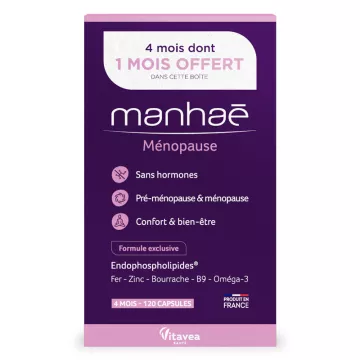
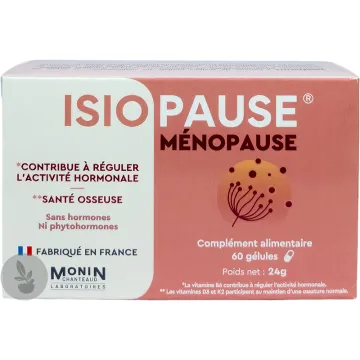
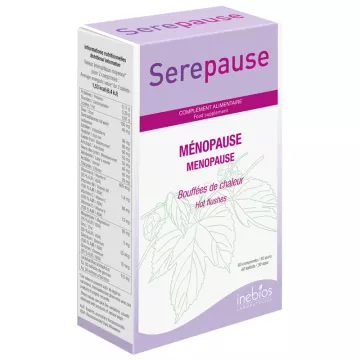
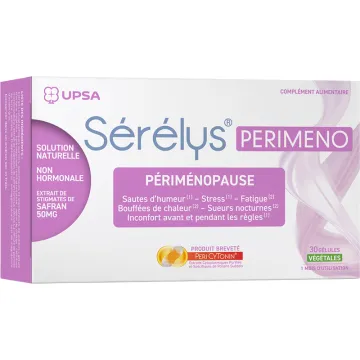
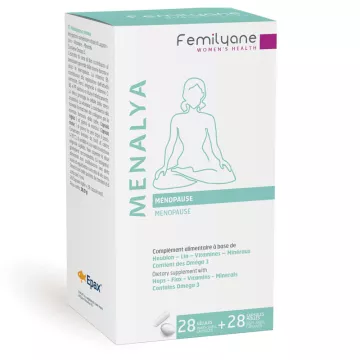
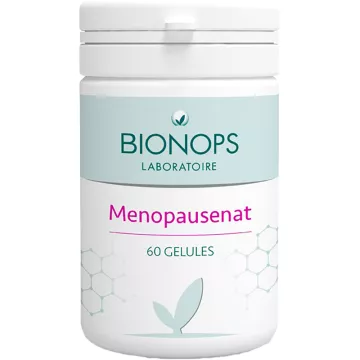
Night sweats are one of the most common and debilitating vasomotor symptoms of menopause and perimenopause—they affect 75 to 85 percent of women going through this phase. They are caused by a drop in estrogen levels, which disrupts the hypothalamic thermostat: the hypothalamus mistakenly perceives a rise in body temperature and triggers an emergency cooling response (intense peripheral vasodilation, profuse sweating). These episodes repeatedly interrupt sleep, leading to chronic sleep deprivation with daytime fatigue and irritability. Night sweats are one of the main causes ofinsomnia in menopausal women.
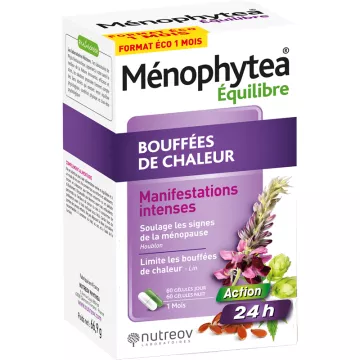
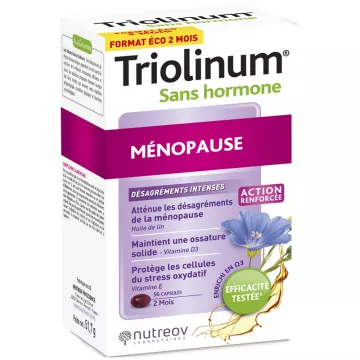
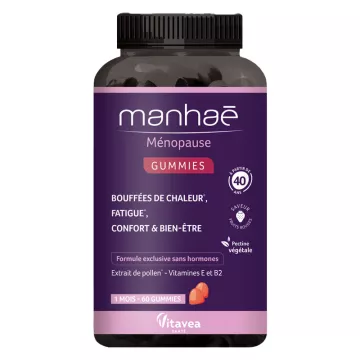
Phytoestrogens are plant compounds that bind to estrogen receptors with moderate affinity—about 100 to 1,000 times weaker than natural estradiol, but sufficient to alleviate vasomotor symptoms. Soy isoflavones (genistein, daidzein) and red clover isoflavones (formonetin, biochanin A) are the most extensively studied—meta-analyses confirm a 20–45% reduction in the frequency of hot flashes with 40–80 mg/day of isoflavones for 12 weeks. Flax lignans exert a similar effect through their conversion to enterolactone by the gut microbiota. These phytoestrogenic formulas constitute the first-line natural treatment for mild to moderate night sweats—as a complement to overall menopause management.
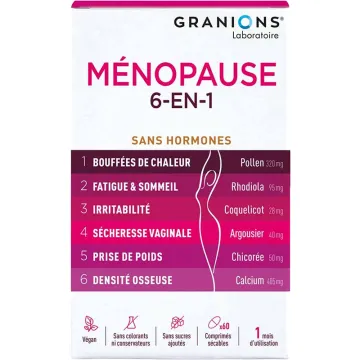
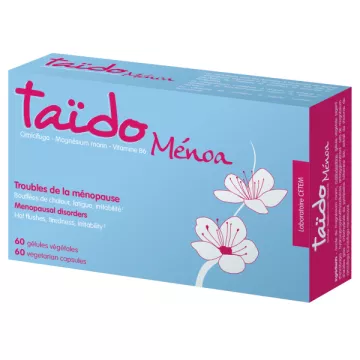
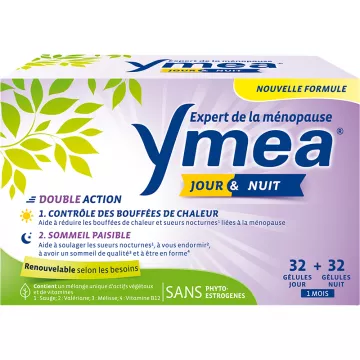
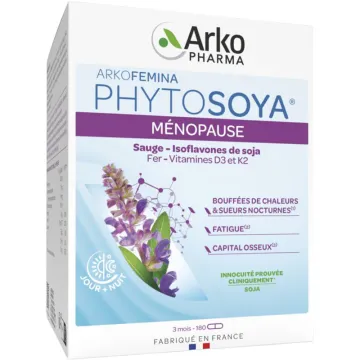
Common sage (diterpenes + tannins) is the gold standard among antiperspirant plants—it directly inhibits sweating by acting on the sweat glands and modulating cholinergic neurotransmission. Randomized studies confirm a significant reduction in the frequency and intensity of night sweats with standardized extracts (280–300 mg/day). Chasteberry (Vitex agnus-castus) acts through a different mechanism—it stimulates the D2 dopamine receptors in the pituitary gland, reducing prolactin and rebalancing the progesterone-to-estrogens, which is particularly relevant during perimenopause when the drop in progesterone precedes that of estrogens.
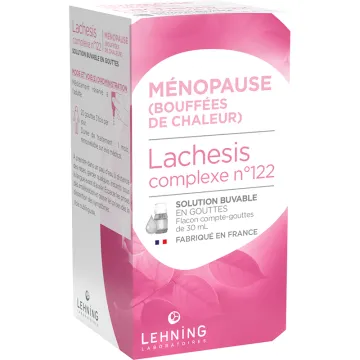
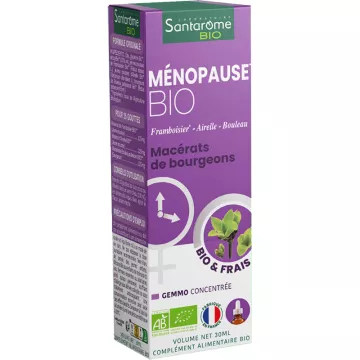
Gemmotherapy (glycerine macerates of plant buds) offers a unique approach to night sweats. Raspberry buds are the go-to remedy for female gynecological disorders—rich in precursors to plant-based progesterone, they support hormonal balance. Chestnut or sequoia buds are a relevant adjunct in the prevention of postmenopausalosteoporosis. Menopause gemmotherapy complexes (buds + mother tinctures of female plants) provide a holistic and gradual approach over several months.
Certain symptoms require a medical consultation before starting any supplementation: night sweats in a woman under 45 years of age, accompanied by unintentional weight loss, swollen lymph nodes, persistent fever, or profuse daytime sweating. These signs may indicate an infectious, lymphomatous, or endocrine disorder. The decision to prescribe hormone replacement therapy (HRT) is the doctor’s responsibility. Phytoestrogens require prior medical consultation in women with a personal or family history of hormone-dependent cancer.Angelica (dong quai, phthalides + coumarins) has a moderate estrogenic effect and reduces vasomotor spasms—it is contraindicated during anticoagulant therapy due to its coumarins.
Beyond herbal medicine, several non-pharmacological measures significantly reduce the intensity of night sweats. A cool bedroom (18–19°C) is the most effective strategy—each additional degree increases the frequency of episodes. Nightwear made of breathable natural fibers (cotton, bamboo, fine merino wool) absorbs moisture without trapping heat, unlike synthetic fibers. Avoid known triggers in the evening: alcohol (a vasodilator), spicy foods, coffee (caffeine stimulates the hypothalamus), and intense emotional stress. Cardiac coherence practiced 5 minutes before bedtime (6 breathing cycles per minute for 5 minutes) reduces sympathetic nervous system activity and decreases the frequency of nocturnal vasomotor episodes. A structured sleep routine (fixed bedtime and wake-up time) stabilizes the circadian rhythm and alleviates hypothalamic disturbances associated with estrogen deficiency.