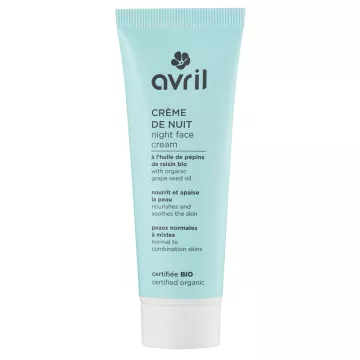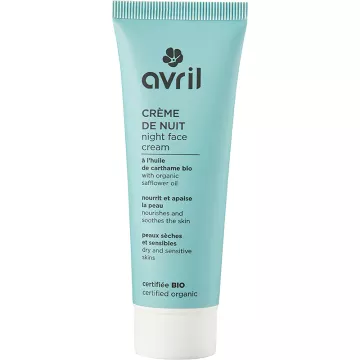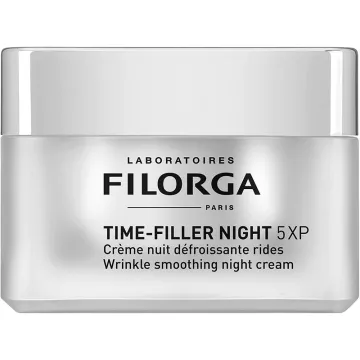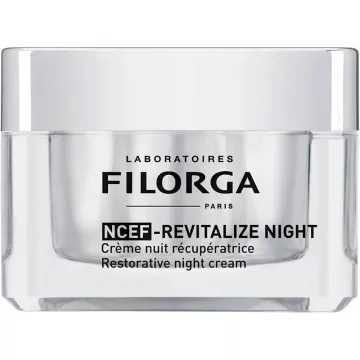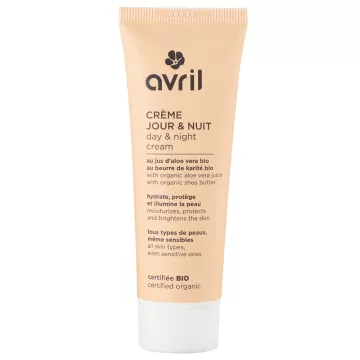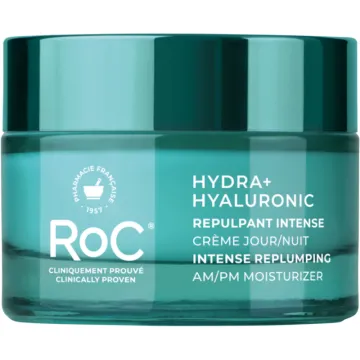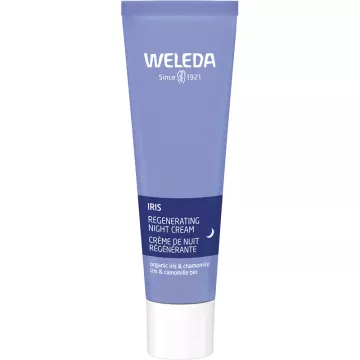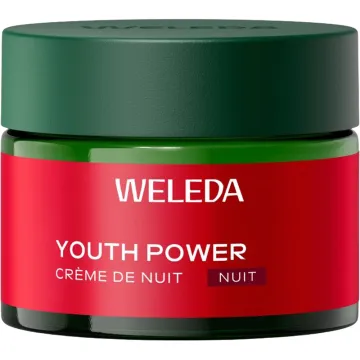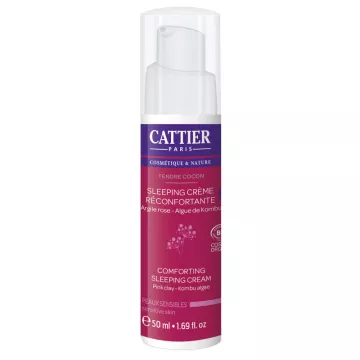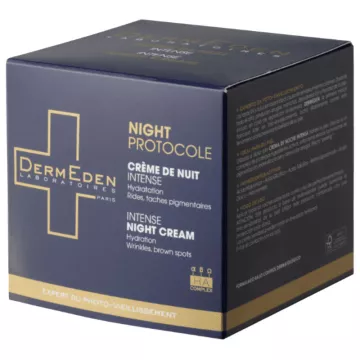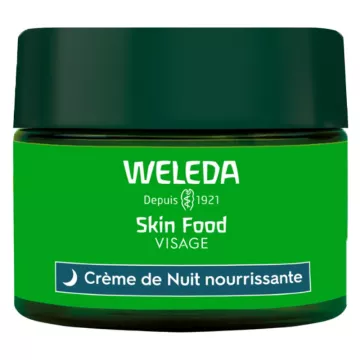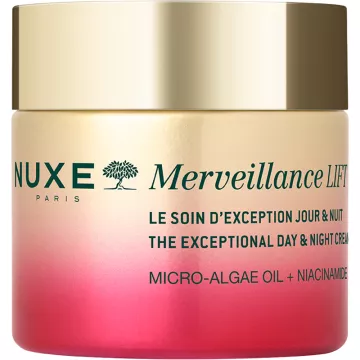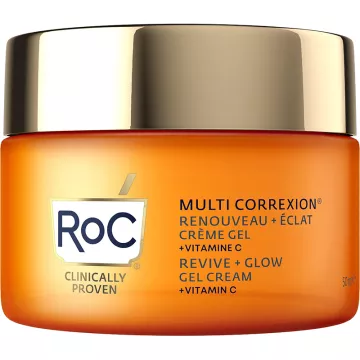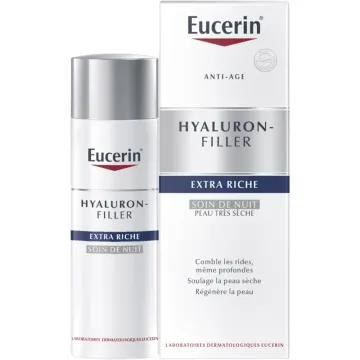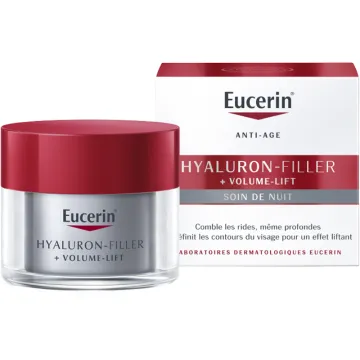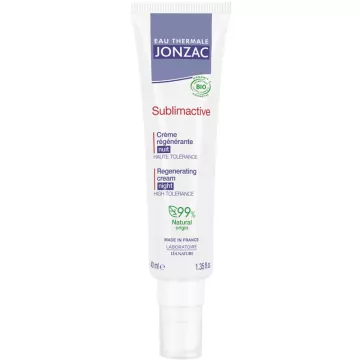


A night cream supports the skin during its natural repair cycle, right after removing makeup and cleansing in the evening.
Unlike a day cream, it does not contain sunscreen but is rich in active ingredients that promote cell regeneration: peptides, antioxidants, and targeted moisturizing agents.
Its richer formula supports the skin barrier, improves skin texture, and provides a lasting feeling of comfort when you wake up.
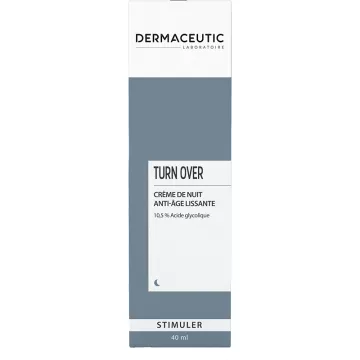
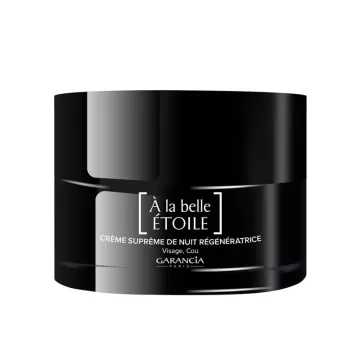
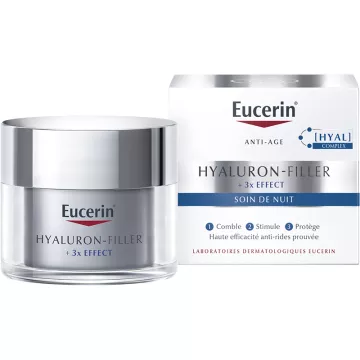
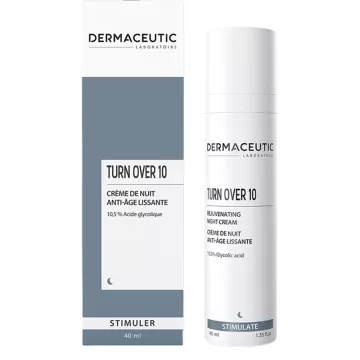
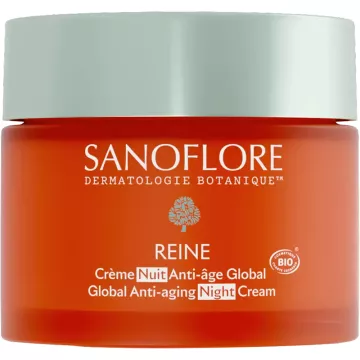
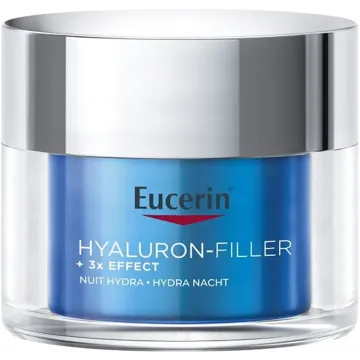
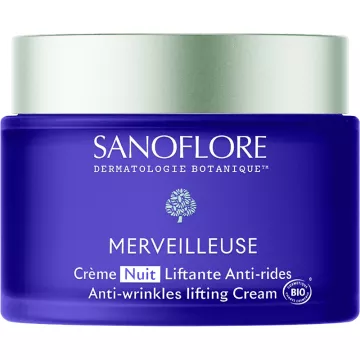
To specifically target wrinkles and loss of firmness, our selection of anti-aging night creams features the most highly regarded products available at pharmacies.
While you sleep, your skin becomes more receptive to active ingredients and experiences more significant transepidermal water loss than during the day.
A good night cream hydrates, nourishes, and regenerates the skin, while compensating for this nighttime moisture loss.
It also minimizes the signs of aging by stimulating collagen production, resulting in firmer, more toned skin when you wake up.
For optimal effectiveness, look for proven active ingredients with specific benefits:
Apply your night cream to thoroughly cleansed and dry skin, after removing makeup and using a gentle cleanser.
Dispense a small amount of product onto your fingers, then massage it into the skin using upward strokes, avoiding the immediate eye area.
Cover your entire face, and don’t forget your neck and décolletage—two areas where skin sagging becomes noticeable quickly.
Results vary depending on your skin type, age, and the active ingredients in the formula.
Most users notice an improvement in hydration and skin texture after a few weeks of regular use.
For anti-aging active ingredients like retinol or peptides, allow two to three monthsof continuous use before you can fully appreciate the visible benefits.
The choice of night cream depends directly on your skin type and your main concerns:
Using a night cream during the day is generally not recommended, mainly because its formula lacks sun protection.
Its richer, more occlusive texture also leaves a shiny film that’s difficult to cover with makeup and can make your skin feel oilier by midday.
Anyone can benefit from a night cream, provided the formula is tailored to their age and skin type:
Switching between different night creams helps address seasonal changes and the skin’s natural evolution over the months.
A richer formula is ideal for winter, when cold weather and heating dry out the skin, while a lighter texture is better suited for the summer heat.
To get the most out of your night cream, follow four simple but essential principles:
To maximize the benefits for dehydrated skin, complete your routine with a product from the facial moisturizing line applied just before your night cream.