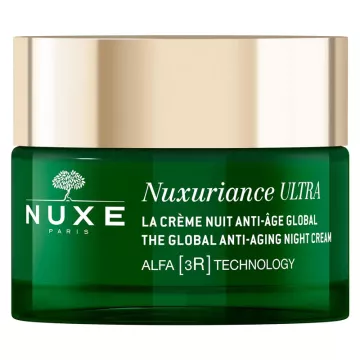
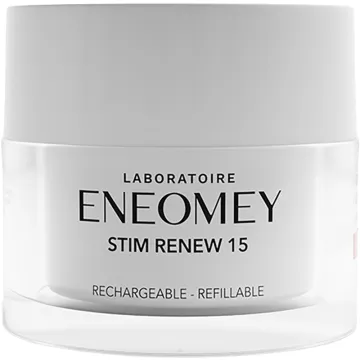
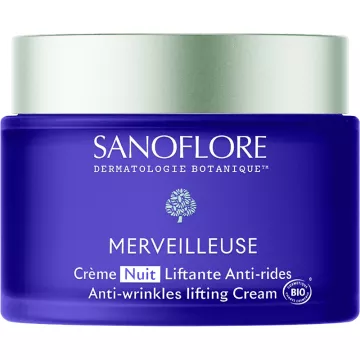
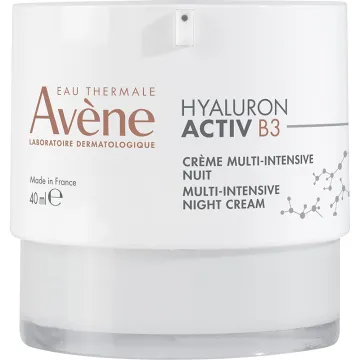
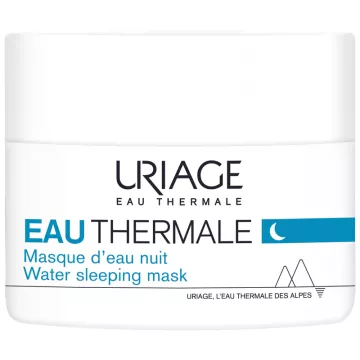
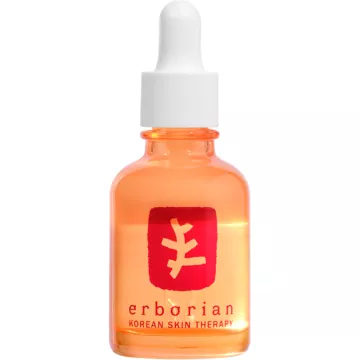
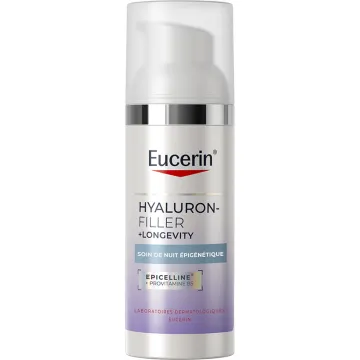
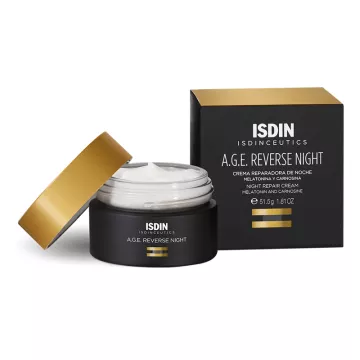
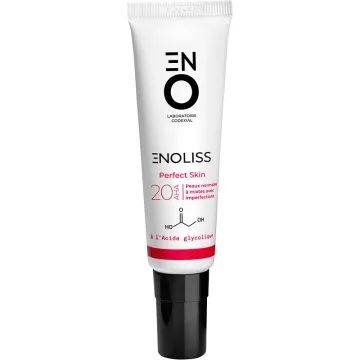
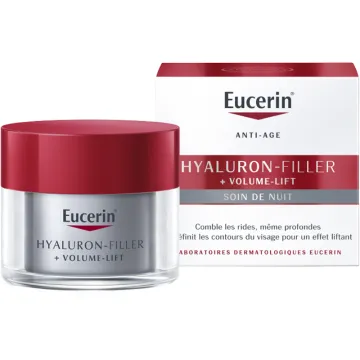
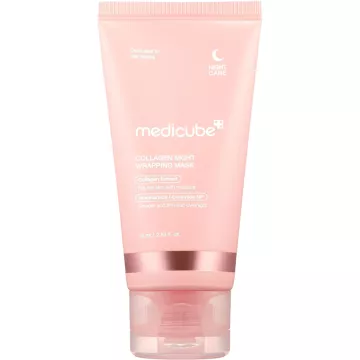
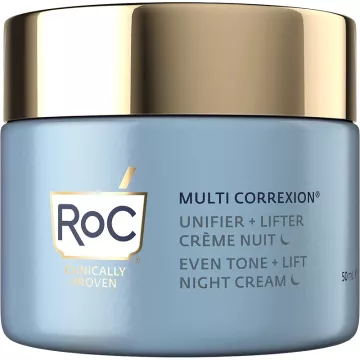
What is a night treatment, and why is it important?
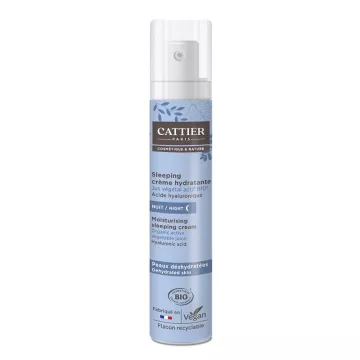
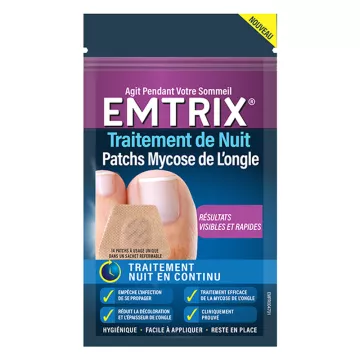
A night cream is a cosmetic product formulated to be applied before bedtime.
Unlike day creams, night creams are often richer and contain a higher concentration of active ingredients that work while you sleep—a time when cell regeneration is at its peak.
Its main benefits: deep hydration, supporting the skin’s repair process after daily stressors, and stimulating nighttime cell renewal.
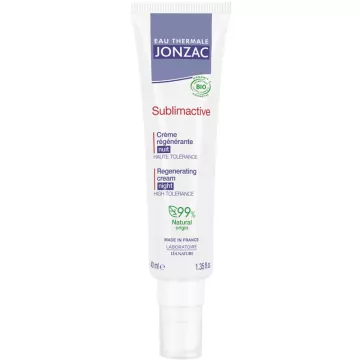
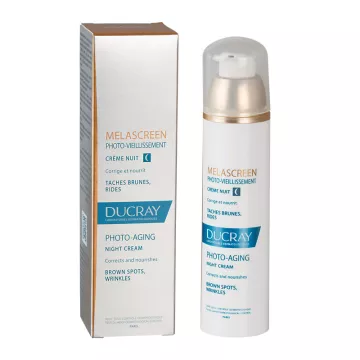
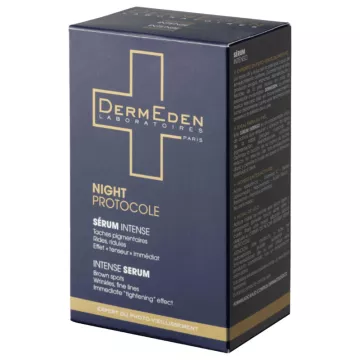
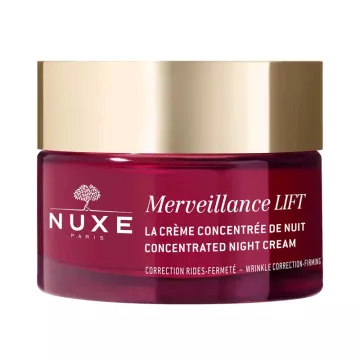
For a curated selection, browse our anti-aging night cream section in our online pharmacy.
What key ingredients should you look for in a night cream?
To maximize the benefits of a night treatment, choose products that contain proven active ingredients:
- Retinol: stimulates cell renewal and reduces wrinkles and fine lines; apply only in the evening, and use a sunscreen with at least SPF 30 during the day.
- Hyaluronic acid: deeply hydrates and plumps the skin.
- Peptides: support collagen production for firmer skin.
- Antioxidants: Vitamin C and vitamin E protect against free radicals and promote a radiant complexion.
- Niacinamide: improves skin texture and reduces visible redness.
Cosmetic retinol is different from medical retinoids (tretinoin, isotretinoin), which are prescription medications prescribed by a dermatologist.
How do you apply a night cream correctly?
Applying a night cream correctly is key to its effectiveness. Follow these steps:
- Cleansing: Cleanse your face with a gentle product to remove makeup, impurities, and pollution that have built up throughout the day.
- Toning (optional): Use a suitable toner to rebalance your skin.
- Serum: Apply a serum tailored to your specific needs (anti-aging, hydrating, brightening).
- Night cream: Take a small amount of cream and gently massage it into your face and neck using upward circular motions.
- Targeted treatments: If necessary, add an eye cream or night oil for specific areas.
How often should you use a night treatment?
A night treatment is best incorporated into your daily evening routine.
Apply it every night for optimal, gradual improvements in your skin’s condition.
Some more potent products, such as those containing retinol, require a gradual introduction to avoid initial irritation.
Start with 1 to 2 applications per week, then gradually increase the frequency based on your skin’s tolerance and the manufacturer’s recommendations.
Can you use a night cream on oily skin?
People with oily skin can and should use a night cream tailored to their specific needs.
Opt for lightweight, non-comedogenic formulas that don’t clog pores or exacerbate sebum production.
Look for active ingredients such assalicylic acid, niacinamide, or regulating extracts (witch hazel, green tea) that control shine and minimize breakouts.
Salicylic acid is not recommended for pregnant or breastfeeding women; ask your pharmacist for advice.
Night cream or moisturizer: what’s the difference?
The difference between a night cream and a traditional moisturizer lies in their formulation and intended benefits.
Night cream contains a higher concentration of targeted active ingredients (retinol, peptides, antioxidants) that work while you sleep to address specific concerns (wrinkles, dark spots, loss of firmness).
A classic moisturizer focuses on basic hydration and daytime protection for the skin against environmental stressors.
The two products are perfectly complementary: use a moisturizer in the morning (with SPF) and a more targeted night cream in the evening.
What are the long-term benefits of a night treatment?
Regular use of a night treatment provides cumulative benefits that become visible over the months:
- Improved skin texture: by stimulating cell regeneration and collagen production, the skin becomes smoother and firmer.
- Deep hydration: Night creams deeply nourish the skin, reducing signs of chronic dehydration.
- Reduction of signs of aging: anti-aging ingredients reduce wrinkles and fine lines over time; complement your routine with our anti-aging skincare line.
- More even skintone: Antioxidants and brightening agents reduce dark spots and improve the skin’s radiance.
- Damage repair: Supports the skin against cumulative damage caused by UV rays, pollution, and oxidative stress.
What are the possible side effects of a night cream?
Although designed to improve skin quality, some night creams can cause side effects, particularly those containing concentrated active ingredients:
- Skin irritation: redness, tingling, or flaking, especially when first using retinol or exfoliating acids.
- Dryness: Some potent active ingredients may cause temporary dryness during the adjustment period.
- Allergic reactions: rare but possible, manifesting as itching, rashes, or localized swelling.
- Increased photosensitivity: Retinol and acids (AHAs, BHAs) increase the skin’s sensitivity to the sun; daily sunscreen with an SPF of at least 30 is essential.
Always perform a skin test on the inner elbow 48 hours before your first full application; if a reaction persists, discontinue use and consult your pharmacist.
At what age should you start using a night cream?
You can start incorporating a night cream into your routine as early as age 20 to 25, when the first signs of skin aging begin to appear subtly.
Starting early helps establish good habits and sustain healthy skin over the long term.
Skin needs then evolve with age: mature skin typically begins around ages 40–50, with a gradual loss of firmness and changes in skin texture.
Adapt your products to these skin changes and choose formulations tailored to each stage of your life.
Are nighttime skincare products suitable for all skin types?
All skin types can benefit from a nighttime skincare routine, provided you choose the right formulation:
- Dry skin: Opt for products rich in nourishing lipids (shea butter, ceramides, plant oils) to replenish the hydrolipidic film.
- Oily skin: Choose lightweight, non-comedogenic formulas that regulate sebum without clogging pores.
- Combination skin: Use balancing products that hydrate without feeling heavy, adjusting the amount applied to the T-zone and the sides of the face.
- Sensitive skin: Look for soothing skincare products containing aloe vera, chamomile, or allantoin, and free of fragrance and alcohol.
How does night cream work while you sleep?
While you sleep, your skin enters a phase of heightened regeneration that night cream supports and enhances:
- Collagen stimulation: Peptides and certain anti-aging active ingredients support collagen synthesis, the fundamental structure behind skin elasticity.
- Cell repair: Antioxidants neutralize free radicals that have accumulated throughout the day and support cellular repair mechanisms.
- Deep hydration: Hydrating ingredients penetrate more effectively into skin at rest, restoring the skin’s moisture balance.
- Evening out skin tone: Brightening agents and anti-dark spot ingredients work to gradually reduce pigmentation irregularities.
Can you use multiple nighttime skincare products at the same time?
Combining multiple nighttime skincare products can be beneficial, but requires precautions to avoid irritation and incompatibilities:
- Layer by texture: Start with the lightest products (serums) and finish with the richest ones (creams, oils).
- Avoid risky combinations: Do not combine retinol and exfoliating acids (AHAs, BHAs) on the same night; use them alternately to prevent cumulative irritation.
- Gradual introduction: Add one new product at a time and monitor your skin’s tolerance for 1 to 2 weeks before introducing another.
- Special cases: For pregnant or breastfeeding women, avoid retinol, retinoids, and salicylic acid, and consult your pharmacist for advice.
By following these guidelines, you’ll gradually build a consistent nighttime skincare routine tailored to your specific needs.