What is muscle fatigue, and what are its mechanisms?
Muscle fatigue refers to the gradual decrease in a muscle’s ability to maintain a given force or power—a phenomenon distinct from simple post-exercise soreness. Understanding its mechanisms helps you choose the right supplements and recovery strategies from our muscle comfort line.
- Peripheral (muscular) fatigue: accumulation of metabolites (lactic acid, inorganic phosphate, H⁺ ions) in the muscle—decrease in intracellular pH—impaired contraction—occurs during intense, short-duration exercise
- Central (nervous) fatigue: reduction in the efferent nerve signal to the muscle—the brain “protects” the body from excessive exertion—a significant psychological factor
- Glycogen depletion: muscle energy reserves are depleted during prolonged exercise (> 90 min) — underlying fatigue in endurance sports
- Dehydration: A 2% loss of body weight in water reduces muscle performance by 10–20%—water transports oxygen and nutrients to muscle fibers
- For fatigue-related cramps, see our dedicated page
What supplements can help combat muscle fatigue?
Muscle fatigue supplements target identified mechanisms—their effectiveness depends on the type of fatigue involved. Find the right formulas in our sports wellness line.
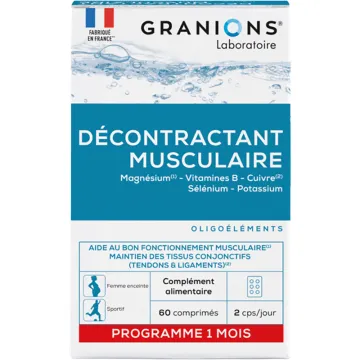
- Magnesium: reduces neuromuscular fatigue and cramps —300–400 mg/day—magnesium bisglycinate or malate forms for better digestive tolerance
- Potassium: a key electrolyte for muscle contraction—lost through sweat during prolonged exercise—sources: bananas, potatoes, legumes—supplementation if a deficiency is confirmed
- BCAAs (leucine, isoleucine, valine): reduce muscle protein breakdown during exercise — limit central fatigue by competing with tryptophan for entry into the brain — take before and during prolonged exercise
- Vitamin D3: acts directly on muscle receptors — deficiency causes fatigue and generalized muscle weakness, sometimes mistaken for overexertion
- B vitamins (B1, B2, B3, B6): cofactors in energy metabolism — essential for converting carbohydrates, fats, and proteins into ATP that can be used by the muscles
- Lactic acid management: sodium bicarbonate and beta-alanine have been shown to delay muscle acidosis during intense exercise—see our dedicated page
Can you train while experiencing muscle fatigue?
The answer depends on the level of fatigue and the type of exercise—poor management worsens the situation and increases the risk of injury.
- Mild fatigue (mild muscle soreness): Light activity is possible—swimming, yoga, walking—which promotes circulation and the elimination of metabolites without adding additional stress
- Moderate fatigue (heaviness, noticeable reduction in strength): reduce intensity by 50%; avoid eccentric exercises (walking down stairs, running downhill) that worsen microtrauma
- Severe fatigue (acute muscle pain, stiffness, marked weakness): complete rest—continuing exercise increases the risk of muscle tears and compensatory tendinitis
- Rule of thumb: if performance is reduced by more than 20% compared to normal—rest, do not train
When should muscle fatigue prompt a medical consultation?
- Persistent muscle fatigue lasting > 2 weeks despite rest and good nutrition—rule out a systemic cause (hypothyroidism, anemia, severe vitamin D deficiency, fibromyalgia)
- Progressive, symmetrical muscle weakness—consider myopathy or a neurological disorder
- Muscle fatigue with recurrent severe nighttime cramps —electrolyte panel (calcium, magnesium, potassium, sodium)
- Diffuse muscle pain + generalized fatigue + statin use — consider statin-induced myopathy (documented adverse effect) — seek urgent medical attention
- Our muscle-building product line to support active muscle recovery as a complement to medical care