What is a mucolytic, and how does it differ from an expectorant?
A mucolytic is a medication that reduces the viscosity of bronchial mucus by acting directly on its molecular structure—as opposed to an expectorant, which increases the volume of secretions to facilitate their clearance. Mucolytics break the disulfide bonds in mucins (the glycoproteins that give mucus its viscous, stringy consistency), reducing its viscosity without increasing its volume. The result is thinner mucus that is more easily transported by the bronchial cilia and easier to cough up. Products for productive coughs and respiratory conditions are available in the store.
- Acetylcysteine (NAC): the gold-standard mucolytic—directly breaks the disulfide bonds in mucins—available in effervescent packets, tablets, and inhalation solution—dual action: mucolytic + antioxidant (protects the bronchial epithelium against oxidative stress) — useful for acute bronchitis, COPD, and bronchiectasis — high-dose NAC (600 mg) for preventing COPD exacerbations
- Carbocysteine: modifies mucin production by bronchial secretory cells — reduces acidic mucins (more viscous) and increases neutral mucins (less viscous) — milder action than NAC — available as a syrup (for adults and children) and in capsules — indicated for chronic mucus overload
- Bromhexine and ambroxol: ambroxol is the active metabolite of bromhexine — stimulates bronchial serous cells and the production of pulmonary surfactant — improves mucociliary clearance — available as syrups, tablets, and solutions for inhalation — Ambroxol also has a mild local anesthetic effect on the pharyngeal mucosa
- Do not combine with a cough suppressant: a cough suppressant blocks the cough reflex—when combined with a mucolytic, it prevents the clearance of thinned mucus and may worsen bronchial obstruction—unless specifically prescribed by a physician, this combination is contraindicated
When should a mucolytic be used, and for which conditions?
Mucolytics are indicated in cases of bronchial hypersecretion with thick mucus that is difficult to expectorate. In acute cases, they complement the symptomatic treatment of acute bronchitis and respiratory superinfections. For chronic conditions, they serve as a maintenance therapy for conditions involving persistent hypersecretion. Hydration (1.5 to 2 L/day) remains essential as part of the treatment—water is the primary natural mucolytic.
- Chronic conditions: COPD/chronic bronchitis (NAC 600 mg/day reduces the frequency of exacerbations) — cystic fibrosis (recombinant DNase via nebulization, with NAC as a supplement) — bronchiectasis (respiratory physical therapy + mucolytics) — these conditions require specialized pulmonological follow-up
- Acute conditions: acute bronchitis with productive cough and difficult expectoration — acute sinusitis with thick secretions — rhinosinusitis with hypersecretion — recommended duration: 5 to 10 days for acute cases
- Precautions based on the patient’s condition: active gastric ulcer (NAC and carbocysteine may irritate the gastric mucosa) — uncontrolled asthma (the mucolytic may trigger bronchospasm — use via inhalation with a bronchodilator if necessary) — severe hepatic or renal impairment (adjust dosage)
- Children: Carbocysteine and ambroxol may be used in children as young as 2 years old, depending on the product (always check the package insert and pediatric marketing authorization) — NAC is not recommended for children under 2 years of age — always consult a pediatrician before administering a mucolytic to a child
Natural Mucolytic Alternatives and Proper Use
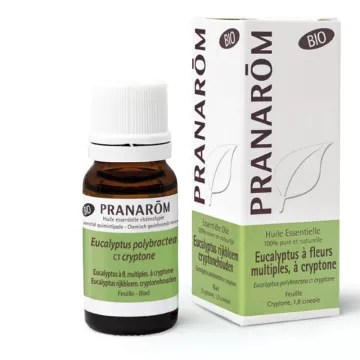
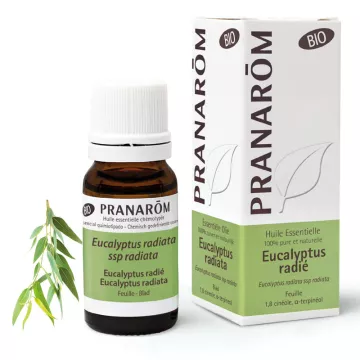
Several natural substances have documented mucolytic properties and can complement drug therapy or provide relief for mild cases. Inhaling water vapor (10 to 15 minutes, 2 to 3 times a day) directly moisturizes the bronchial mucous membranes and mechanically thins mucus—this is the simplest and most effective natural mucolytic technique. Inhalingeucalyptus (1,8-cineole) has a documented mucolytic and anti-inflammatory effect on the respiratory tract.
- Natural mucolytic plants: thyme (thymol—expectorant + mild mucolytic + bronchial antiseptic)— honey (humectant, soothes the mucous membranes, enhances the action of mucolytic herbal teas) — ginger (gingerols — anti-inflammatory for the respiratory tract) — licorice (glycyrrhizin — thins secretions and soothes the bronchial mucosa)
- Hydration—the first step in mucolytic care: 1.5 to 2 L of water and hot liquids per day—hot herbal teas (thyme, eucalyptus, ginger) combine hydration with plant-based mucolytic action — the heat of the liquid moistens the respiratory tract through the steam inhaled while drinking
- Storage and Preservation: mucolytics should be stored at room temperature, protected from light and moisture — effervescent packets and solutions must be used immediately after opening or reconstitution — observe the expiration date, beyond which the active ingredients degrade