What are mood disorders, and when do they become a cause for concern?
Mood disorders refer to lasting and significant changes in emotional state, ranging from mild fluctuations (irritability, mood swings) to severe disorders requiring medical treatment (major depression, bipolar disorder). According to the WHO, they are one of the leading causes of disability worldwide. Targeted natural support can help maintain emotional balance, but it should never replace medical treatment when it is necessary. Explore our anti-stress formulas, herbs for stress, and our relaxation and sleep supplements.
- Normal Fluctuations vs. Pathological Disorders: Mood fluctuations in response to life events are normal—mood disorders are characterized by their duration (>2 weeks), intensity (disproportionate or without an identifiable cause), and functional impact (disruption to work, relationships, and daily life)
- Major recognized mood disorders: major depressive episode (persistent sadness, loss of interest, anhedonia)—bipolar disorder types I and II (alternating depression and mania or hypomania)—dysthymia (mild chronic depression lasting > 2 years)—seasonal affective disorder (SAD, winter blues linked to lack of light)
- Warning signs requiring prompt medical attention: persistent sadness or anxiety lasting more than 2 weeks — thoughts of death or suicide → call 3114 immediately — severe loss of appetite or overeating — inability to perform daily tasks — episodes of grandiosity or unusual agitation (mania)
- Neurochemical factors: Mood is regulated by a delicate balance of neurotransmitters — serotonin (well-being, calm) — dopamine (motivation, pleasure) — norepinephrine (energy, alertness) — GABA (inhibition, relaxation) — an imbalance in these systems, often exacerbated by nutritional deficiencies, is central to mood disorders
- Hormonal factors: Hormonal fluctuations directly disrupt mood — estrogen (menstrual cycle, premenstrual syndrome, menopause)—cortisol (chronic stress → depletion of serotonin)—thyroid (hypothyroidism → depression, hyperthyroidism → anxiety/mania)—a thyroid and hormone panel is recommended in cases of unexplained disorders
Nutritional deficiencies and mood disorders: the established link
- Magnesium: the mineral most closely linked to mood and anxiety—an essential cofactor for the synthesis of serotonin and GABA—chronic cortisol depletes magnesium reserves—deficiency → irritability, anxiety, mild depression, insomnia — supplementation with 300–400 mg of bisglycinate per night has been documented in several studies on anxiety and mild depression
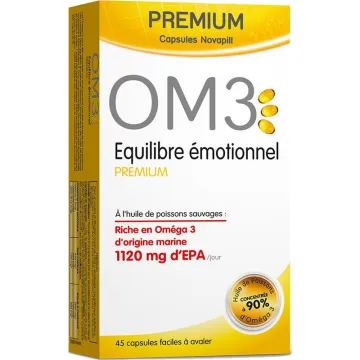
- Omega-3 EPA and DHA: EPA has the best-documented antidepressant effect among omega-3s—positive meta-analyses on mild to moderate depression and bipolar disorder as an adjunct to treatment—DHA is essential for the structure of neuronal membranes—sources: sardines, mackerel, salmon + supplements 1–3 g EPA/day
- Vitamin D3: Vitamin D receptors are present in the areas of the brain that regulate mood — people with depression have, on average, 30% lower D3 levels — seasonal affective disorder is directly linked to a lack of sunlight → 1,000–2,000 IU of D3 per day from October through March + light therapy
- Vitamin B6: cofactor for aromatic amino acid decarboxylase → conversion of tryptophan to serotonin and DOPA to dopamine — deficiency → irritability, anxiety, worsened premenstrual syndrome — 50 mg/day for a short course is sufficient (do not exceed this dose for an extended period)
- Gut-brain axis: 90% of serotonin is produced in the gut by enterochromaffin cells — an imbalanced microbiota (dysbiosis) impairs this production — certain psychobiotics (Lactobacillus helveticus, Bifidobacterium longum) have shown positive effects on anxiety and mood in clinical trials
Herbs, light, and natural approaches for emotional balance
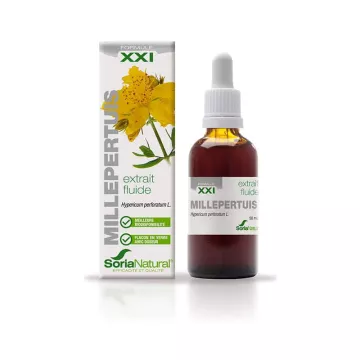
- St. John’s Wort (Hypericum perforatum): the most extensively studied herb for mild to moderate depression—meta-analyses show efficacy comparable to SSRIs for this indication—mechanism: inhibition of serotonin, dopamine, and norepinephrine reuptake — significant drug interactions: potent CYP3A4 inducer → reduces the effectiveness of oral contraceptives, anticoagulants, and antiretrovirals — never combine without medical advice
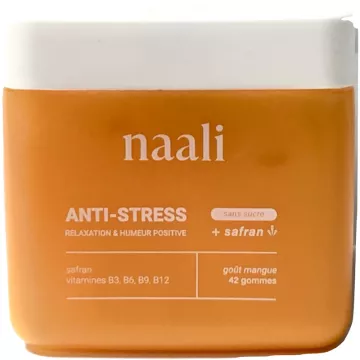
- Saffron (Crocus sativus): the spice with documented antidepressant properties — mechanism: inhibition of serotonin reuptake + brain-protective antioxidant properties — positive clinical studies at 30 mg/day of standardized extract — no known major interactions at dietary doses — find our formulas in our herbal stress relief line
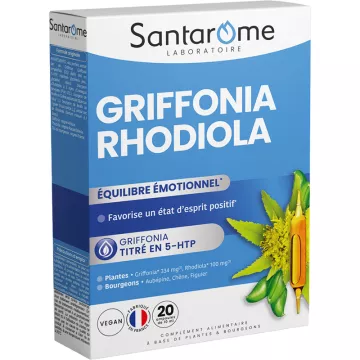
- Rhodiola (Rhodiola rosea): an adaptogen that regulates the stress response and improves mental resilience — studies on mental fatigue and mild depression related to overwork — take in the morning (mildly stimulating) — to be distinguished from valerian (sedative) and ashwagandha
- Meditation and mindfulness: clinically validated MBSR protocol (8 weeks)—reduces depressive relapses by 43% in recurrent cases—structurally alters the amygdala and prefrontal cortex—10–20 minutes per day, practiced regularly
- Light therapy: 10,000 lux, 30 minutes in the morning starting at 6 a.m., for 4–8 weeks — the standard treatment for seasonal affective disorder — also effective for mild non-seasonal depression — explore our stress and behavior product lines
Sleep, exercise, and lifestyle to stabilize mood
- Sleep and circadian rhythm: Lack of sleep is one of the main triggers for relapses in depression and bipolar disorder — the circadian rhythm directly regulates the secretion of melatonin and cortisol — go to bed and wake up at set times, use light therapy in the morning, and blackout curtains in the evening—check out our sleep essential oil lines
- Physical exercise: 30–45 minutes of aerobic exercise 3–5 times a week releases endorphins, stimulates hippocampal neurogenesis, and increases BDNF (brain-derived neurotrophic factor)—effectiveness comparable to mild antidepressants in studies—outdoor exercise enhanced by natural light and a connection to nature
- Neuroprotective diet: the Mediterranean diet is associated with a 25–35% reduced risk of depression — limit alcohol (a CNS depressant despite its immediate anxiolytic effect), refined sugars (brain inflammation), and excessive caffeine (worsened anxiety and insomnia)
- Social relationships and support: social isolation is a major risk factor for the worsening of mood disorders — maintain meaningful social connections even during periods of withdrawal — support groups, patient organizations (France Dépression: 0800 19 00 00)—loved ones can explore resources on supporting thosewith depression to better understand and provide support
- Resources and medical consultation: If you suspect a persistent mood disorder, consult your primary care physician or a psychiatrist — MonPsy (partial reimbursement for psychological consultations since 2022) — 3114 (national suicide prevention hotline, 24/7) — natural treatments are never a substitute for appropriate medical care in moderate to severe cases