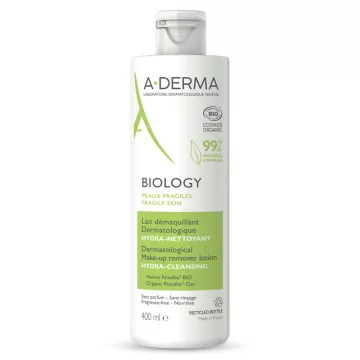
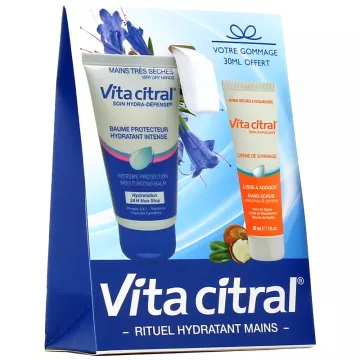
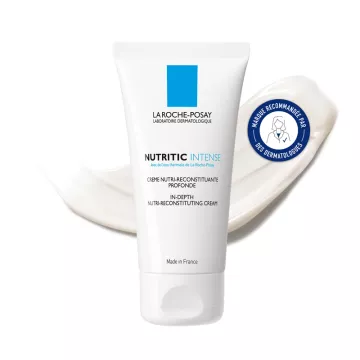
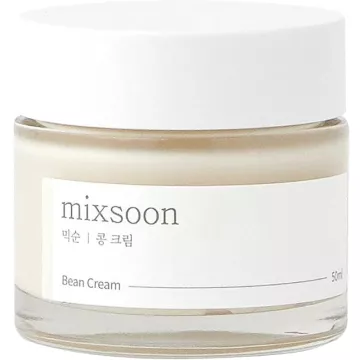
A moisturizer is an essential skincare product designed to increase the skin’s water content and restore its suppleness over the long term.
It works by forming a protective film on the skin’s surface that limits moisture loss, while drawing water from the surrounding air through humectants such as glycerin orhyaluronic acid.
This dual action restores skin comfort, smooths the skin’s texture, and strengthens its resistance to external aggressors.
Regular use of a moisturizer is essential for maintaining the integrity of the skin barrier on a daily basis.
It minimizes insensible water loss (transepidermal water loss) and protects the skin from pollutants, wind, cold, and temperature fluctuations.
Proper hydration helps prevent long-term dryness, chronic irritation, and certain triggers of eczema or skin sensitivity.
There are three main categories ofmoisturizers in skincare products, often combined in a single formula:
Choosing the right moisturizer depends directly on your skin type and its primary needs:
To get the most out of your moisturizer, apply it to thoroughly cleansed, slightly damp skin.
This residual moisture helps lock in water beneath the skincare layer and significantly enhances the moisturizing effect on the skin’s surface.
Massage in with gentle, upward circular motions to promote the absorption of active ingredients and stimulate skin microcirculation.
Applying it twice daily is still the most recommended frequency to maintain your moisturizer’s effectiveness.
Apply your moisturizer in the morning and evening, ideally after cleansing your face and before other steps (serum, sunscreen during the day, targeted treatments at night).
This consistency helps maintain consistent skin comfort, even when exposed to drying environments such as air conditioning or heating.
Moisturizers are generally very well tolerated, even by the most sensitive skin.
However, some ingredients (fragrances, preservatives, essential oils, and certain sunscreens) may cause reactions in sensitive or allergic skin.
Always perform a patch test on a small area (the crook of the elbow) before using a new product, and report any persistent reactions to your pharmacist.
A moisturizer fits perfectly into a complete skincare routine, provided you follow the correct order of application.
First apply the lightest water-based products (serum, targeted treatment), then the moisturizer, and finish with sunscreen in the morning.
In the evening, you can layer it with a reparative treatment or anti-aging ingredients depending on your skin’s needs, following the principle of “from lightest to richest.”
Men can use the same moisturizers as women, even though their skin is generally thicker and oilier.
They often prefer lighter, non-greasy textures without a strong fragrance for everyday comfort.
Repeated shaving weakens the skin barrier, making post-shave moisturizing particularly beneficial for reducing tightness and irritation.
"Moisturizer " and "humectant" refer to two complementary but distinct concepts in cosmetology.
A moisturizer is a complete skincare product (cream, lotion, serum) designed to maintain skin hydration through a combination of several mechanisms.
A humectant is a specific ingredient (glycerin, hyaluronic acid, urea, propanediol) that draws water into the skin’s outer layers.
Most modern moisturizers contain several humectants to optimize the formula’s effectiveness.
Contrary to popular belief,a moisturizer is not only compatible with but essential to a skincare routine for acne-prone skin.
Be sure to choose a non-comedogenic formula that won’t clog pores or worsen existing breakouts.
Avoid overly rich textures and potentially occlusive ingredients; complete your routine with products from our facial acne section.
If you have moderate to severe acne, always consult a dermatologist to adjust your routine.
Moisturizers help visually reduce the appearance of wrinkles and fine lines by keeping the skin well-hydrated.
Properly hydrated skin appears smoother, plumper, and more supple, which reduces the appearance of superficial lines caused by dehydration.
To target skin aging, look for formulas enriched with hyaluronic acid, retinol, peptides, or niacinamide, and explore our selection of anti-aging skincare products.
Daytime and nighttimemoisturizers serve very distinct skin and environmental purposes.
Daytime skincare products have a lighter texture and are often enriched with sunscreen and antioxidants to protect the skin from UV rays, pollutants, and free radicals.
Nighttime products, which are richer and more nourishing, support nighttime cell regeneration and are concentrated with reparative active ingredients (retinol, peptides, ceramides).
To determine if a moisturizer is right for your skin, first identify your skin’s needs (dryness, sensitivity, blemishes, signs of aging).
Then test the product on a small area for two to three days to check for any adverse reactions such as redness, tingling, or rashes.
If your skin feels comfortable, supple, and well-hydrated after several applications, the moisturizer is likely a good match for your skin type; if in doubt, ask your pharmacist for advice.