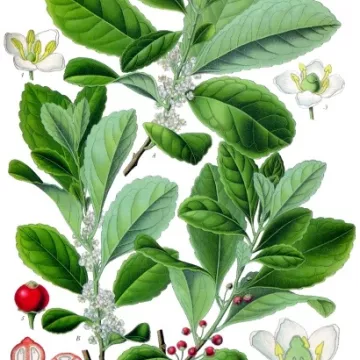
Mate (Ilex paraguariensis) is a South American plant whose dried and lightly roasted leaves have been used in a traditional infusion for centuries. Its main active compounds are:
According to some studies, the antioxidant capacity of mate’s polyphenols (ORAC score) is higher than that of green tea.
Mate offers a different stimulating profile than coffee thanks to the combination of caffeine, theobromine, theophylline, and saponins. Its stimulating effect is more gradual and sustained—in part because the plant’s polyphenols and saponins modulate the rate of caffeine absorption in the intestines—without the post-coffee energy “crash” often reported. Theobromine contributes to the “feel-good” effect and mild cerebral vasodilation. The effects on mental fatigue (alertness, reaction time, short-term memory) have been documented in preliminary studies—2 cups of mate improve cognitive function for 4 to 6 hours without the anxiety spikes associated with high doses of pure caffeine.
Mate is classified as a thermogenic plant—it stimulates basal energy expenditure and accelerates lipid metabolism through several mechanisms. Chlorogenic acid inhibits digestive enzymes (α-glucosidase, pancreatic lipase) and reduces the absorption of dietary carbohydrates and fats. Caffeine mobilizes free fatty acids (lipolysis) and enhances their use as an energy substrate during physical exercise. Saponins have an emulsifying effect on intestinal lipids. Available clinical studies show a moderate but significant effect on reducing BMI and waist circumference after 12 weeks of supplementation. Chronic fatigue associated with low-calorie diets is alleviated by the invigorating effects of mate.
Chlorogenic acid inhibits hepatic glucose-6-phosphatase (a key enzyme in glycogenolysis) and delays the intestinal absorption of glucose—thereby reducing the postprandial blood glucose spike. Clinical studies in prediabetic patients show improved insulin sensitivity after 12 weeks of regular consumption. Regarding cholesterol, the saponins in mate exert a mild cholesterol-lowering effect (reducing LDL and triglycerides) by interfering with the intestinal absorption of dietary cholesterol. Probiotics can be combined with mate to optimize its metabolic effects—a balanced microbiome improves the bioavailability of polyphenols through intestinal fermentation.
Its caffeine content (3–5% of dried leaves, 40–90 mg per cup) carries the same restrictions as coffee: anxiety disorders, high blood pressure, arrhythmia, insomnia, or pregnancy (limited to 200 mg of total caffeine per day). Drinking mate very hot (65–70 °C) is associated with an increased risk of oral, pharyngeal, and esophageal cancers—a risk linked to the heat rather than the plant itself. Drinking mate after 3:00 p.m. can inhibit melatonin production and disrupt sleep quality for 6 to 8 hours. Drug interactions should be checked with a healthcare provider before use: anticoagulants (vitamin K in mate), antihypertensives, and MAO inhibitors.