What is the liver, and what are its vital functions?
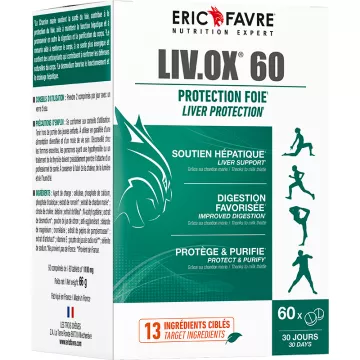
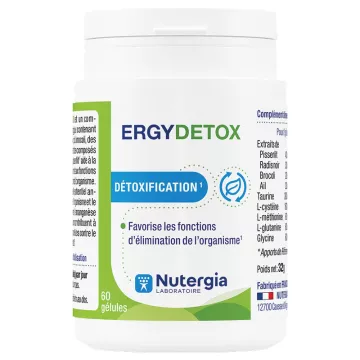
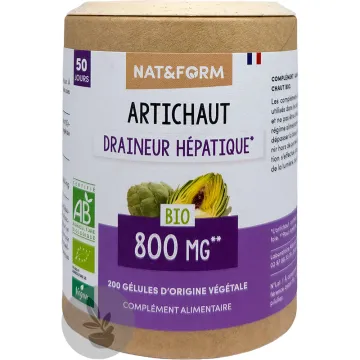
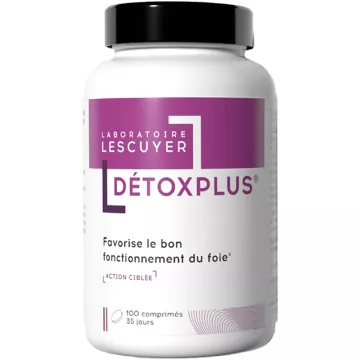
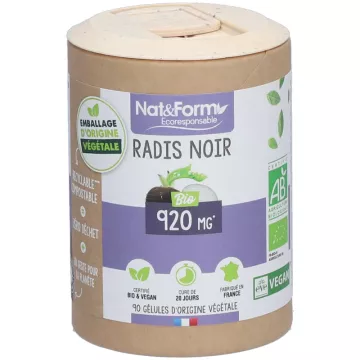
The liver is the largest internal organ in the human body (1.2–1.5 kg)—located in the right upper quadrant beneath the diaphragm—and the most versatile organ: it performs more than 500 identified metabolic functions. For specific liver conditions, visit our liver disorders hub. Our line of detox supplements naturally supports liver function.
- Carbohydrate metabolism: stores glycogen (a glucose reserve)—releases glucose into the bloodstream between meals (glycogenolysis)—produces glucose from amino acids and lactate (neoglucogenesis)—central regulator of blood glucose levels
- Lipid metabolism: synthesis and oxidation of fatty acids — production of cholesterol (80% of the body’s cholesterol is synthesized by the liver) — synthesis of lipoproteins (VLDL, HDL) — β-oxidation (energy production)
- Protein metabolism: synthesis of albumin (the primary plasma protein) — synthesis of coagulation factors (TP/INR reflects this function) — deamination of amino acids → urea → renal excretion
- Detoxification: filters 1.5 L of blood per minute — transforms toxins (alcohol → acetaldehyde → acetate) — conjugates and eliminates bilirubin — metabolizes drugs (cytochromes P450)
- Bile production: 500–1,000 mL/day — emulsification of fats — transport of cholesterol and bilirubin to the intestine — role in the absorption of fat-soluble vitamins A, D, E, and K
Natural active ingredients to support and protect the liver
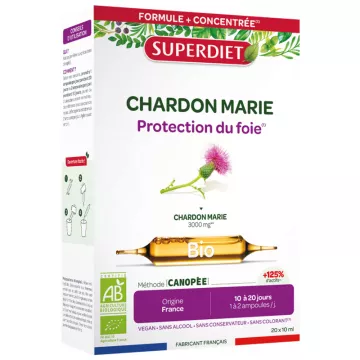
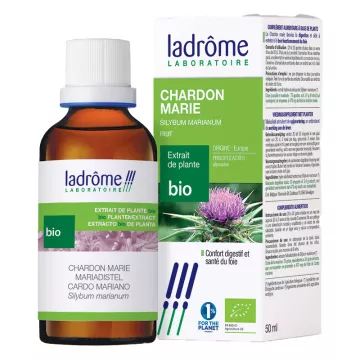
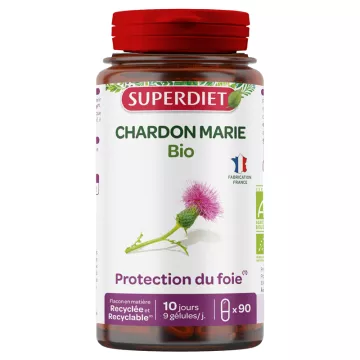
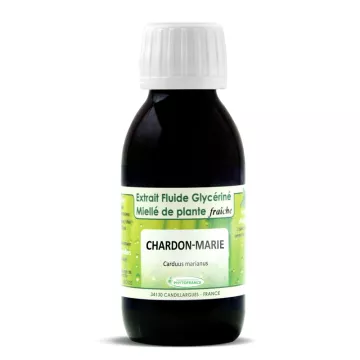
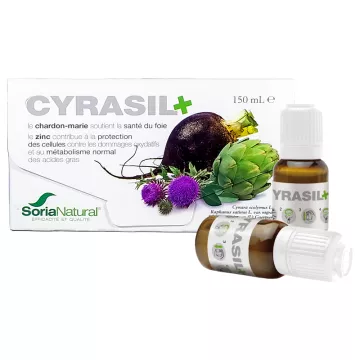
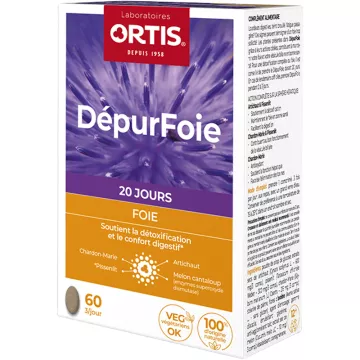
- Milk thistle (silymarin): the gold standard in liver protection — stabilizes hepatocyte membranes + powerful antioxidant + stimulates liver regeneration — 150–300 mg of silymarin/day for a 3-month course
- Omega-3 (EPA/DHA): anti-inflammatory agents for the liver—reduce steatosis (fat accumulation in the liver)—positive clinical data in NASH—2–4 g/day
- Selenium: cofactor for glutathione peroxidase (a major intrahepatic antioxidant) — protects hepatocytes against oxidative stress caused by alcohol and toxins — 55–100 µg/day
- Vitamin E (tocopherol): fat-soluble antioxidant — protects hepatocyte membranes against lipid peroxidation — 15 mg/day (nutritional intake) to 200–400 mg/day (liver support) — positive findings in NASH
- Vitamin D3: hepatic synthesis (hydroxylation to 25-OH-D3) is impaired in cases of liver disease — nearly universal deficiency in chronic liver diseases — 1,000–2,000 IU/day routinely
Liver, Diabetes, Obesity, and Hepatoprotective Diet
- Fatty liver (NASH/non-alcoholic steatohepatitis): the world’s leading cause of cirrhosis, and on the rise — linked to overweight, type 2 diabetes, and metabolic syndrome — industrial fructose (sodas, processed fruit juices) = primary factor in hepatic fat accumulation — weight loss of 7–10% of body weight = documented regression of steatosis
- Liver and diabetes: an insulin-resistant liver produces excess glucose even when fasting (abnormal neoglucogenesis) → persistent fasting hyperglycemia — NASH worsens insulin resistance (vicious cycle) — controlling blood sugar protects the liver
- Liver-protective diet: cruciferous vegetables (sulforaphane—a liver detoxification agent), unsweetened coffee (reduces the risk of cirrhosis by 40%), berries (antioxidants), nuts (vitamin E), legumes (fiber) — see our detox weight-loss line
- Alcohol: WHO weekly limit = 10 standard drinks maximum — alcohol is directly toxic to liver cells — alcoholic steatosis → alcoholic hepatitis → cirrhosis — complete abstinence if liver disease is diagnosed
- Zinc 15–25 mg/day: cofactor for liver detoxification enzymes — nearly universal deficiency in chronic liver diseases — systematically supplement in cases of steatosis or liver disease
Early detection, liver function tests, and monitoring
- Standard liver function panel: ASAT/ALAT (liver cytolysis) + GGT + PAL (cholestasis) + total bilirubin + albumin + TP/INR — to be performed annually if risk factors are present (overweight, diabetes, alcohol, hepatotoxic medications)
- Fatty liver disease: Moderately elevated AST/ALT — ultrasound = initial test (liver hyperechogenicity) — Fibroscan to quantify steatosis and fibrosis without a biopsy
- Acetaminophen: maximum limit of 2 g/day in patients with liver disease (vs. 4 g in healthy individuals) — acetaminophen poisoning = leading cause of acute liver failure in France — antidote: IV N-acetylcysteine (NAC) as an emergency treatment
- Hepatitis C screening (serology): recommended once in a lifetime for all adults aged 18 to 75 in France — 170,000 chronic carriers are unaware of their status — treatment with direct-acting antivirals (DAAs) cures > 95% of cases
- See a doctor if: jaundice — unexplained chronic fatigue — pain in the right upper quadrant — dark urine and pale stools — unexplained iron-deficiency anemia — any abnormal liver function test results on two consecutive blood draws