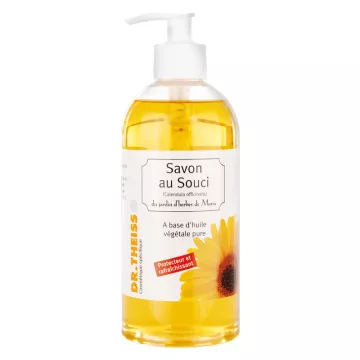
What is liquid soap, and how does it differ from shower gel?
Liquid soap is a surfactant in an aqueous solution packaged in a pump bottle—its formulation is generally more concentrated than that of shower gel and is designed for frequent handwashing rather than body care. Whereas a shower gel is designed forfull-body cleansing in the shower, liquid soap is designed for frequent hand washing throughout the day.
- Liquid hand soap: pH is often slightly higher (6–7), compact formulation, rinses off quickly—used repeatedly several times a day
- Shower gel: Targeted pH of 5.5, more advanced moisturizing ingredients, used less frequently than hand soap
- Hygienic advantage of the pump bottle: unlike a bar of solid soap, which can accumulate bacteria on its surface in standing water, the pump dispenser keeps the product isolated from the air
- For hands, choose a liquid soap suitable for frequent use that doesn’t dry out the skin—hands are washed an average of 6 to 10 times a day, and each wash slightly compromises the skin barrier
Antibacterial liquid soap: Is it really necessary to choose one?
The issue of antibacterial soaps is more complex than it seems—and the health authorities’ stance has been clear for several years.
Triclosan and triclocarban, found in most “antibacterial” liquid soaps, have been banned in personal care products in the United States (FDA, 2016) and their use is regulated in Europe (EC 1223/2009). Scientific evidence does not show that antibacterial soap is more effective than regular soap fordaily handhygiene in a household setting. On the contrary, repeated use contributes to bacterial resistance.
- For routine household hygiene: regular liquid soap combined with proper washing technique (20 seconds of rubbing) is sufficient and recommended by the WHO and ANSES
- Situations warranting a specific soap: nursing care, professional food handling—outside of these situations, regular soap is preferable
- Natural purifying alternative: liquid soap with tea tree oil or lavender essential oil—sanitizing active ingredients with no documented bacterial resistance
Which liquid soap is best for dry and sensitive hands?
Repeated hand washing is the leading cause of dry skin on the hands—choosing the right formulation makes a real difference for dry and sensitive skin.
- SLS/SLES-free: mild surfactants (coc-glucoside, lauryl glucoside)—clean effectively without over-stripping the skin
- With glycerin or panthenol: humectants that counteract moisture loss with each wash—formulated for frequent use without causing tightness
- pH 5.5: respects the skin’s acid mantle on the hands—crucial for skin prone to eczema or highly reactive skin
- Fragrance-free: the hands are a high-risk area for allergies — fragrance is the leading cause of contact dermatitis on the hands
- For children: a special SLS-free, fragrance-free liquid soap, tested hypoallergenic—children wash their hands 5 to 8 times a day at school
How to choose an eco-friendly liquid soap?
The criteria for certified organic soap also apply to liquid soaps—with extra attention to format and concentration.
- Certified Cosmos Organic or Ecocert: same guarantees as for bar soaps—free of petrochemicals, with traceable organic ingredients
- Concentrated formula: A concentrated liquid soap diluted as needed uses 3 to 5 times less product than a ready-to-use liquid soap
- Bulk refill or flexible pouch: reduces rigid plastic use by 80% compared to disposable pump bottles
- Solid alternative: plant-based solid soap or solid syndet remains the most eco-friendly option in terms of packaging and transportation—80% less water than liquid soap