What is lipolysis, and how does it work?
Lipolysis is the biochemical process by which triglycerides stored in fat cells (adipocytes) are broken down into free fatty acids and glycerol, which enter the bloodstream to be used as an energy source by the muscles and liver. It is initiated by hormone-sensitive lipase (HSL), an enzyme activated by phosphorylation in response to catecholamines (adrenaline, norepinephrine), glucagon, and ACTH. Insulin is the primary inhibitor of HSL: even low levels of insulin are sufficient to block lipolysis. This is why a calorie deficit combined with low-GI carbohydrates maximizes the mobilization of stored fat.
What factors stimulate or inhibit lipolysis?
Understanding the regulators of lipolysis helps optimize weight-loss strategies:
- Stimulants: fasting or carbohydrate restriction (lower insulin levels), physical exercise (increased catecholamines), caffeine (beta-adrenergic agonist), guarana (a source of sustained-release caffeine), cold (brown thermogenesis).
- Inhibitors: high insulin (after a high-carbohydrate meal), chronic stress (cortisol redirects fat storage to the abdomen), lack of sleep (disrupts ghrelin and insulin sensitivity), alcohol (metabolic priority given to fats).
It is important to understand that even a light carbohydrate snack can inhibit lipolysis for several hours. For people who train in a fasted state, the goal is precisely to take advantage of this window of low insulin levels to maximize the mobilization of stored fatty acids.
Lipolysis and Lipogenesis: Two Opposing Processes
Lipolysis is the opposite of lipogenesis (the synthesis of fat from excess dietary carbohydrates or fatty acids). The balance between these two processes determines body composition. In the postprandial state (after a meal), lipogenesis dominates. When fasting or during exercise, lipolysis takes over. A high-glycemic-index diet keeps insulin levels constantly high, blocking lipolysis and promoting lipogenesis—a central mechanism of gradual weight gain. Conversely, a high-protein meal stimulates insulin only slightly and preserves lipolysis.
What type of exercise maximizes lipolysis?
Physical exercise is the most powerful and well-documented lipolytic stimulant:
- HIIT (high-intensity interval training): dramatically increases catecholamines and stimulates lipolysis during and for up to 24–48 hours after the session (EPOC effect).
- Moderate cardio on an empty stomach: directly mobilizes fatty acids without a prior carbohydrate spike—effective but less intense than HIIT.
- Strength training: increases muscle mass, which burns more calories at rest, accelerating basal lipolysis.
- Creatine: improves performance during explosive efforts, allowing for more intense HIIT sessions and thus greater fat burning.
Which supplements naturally promote fat burning?
Certain supplements have documented lipolytic mechanisms:
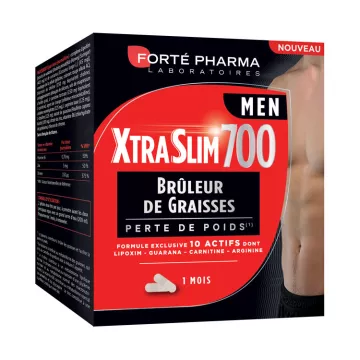
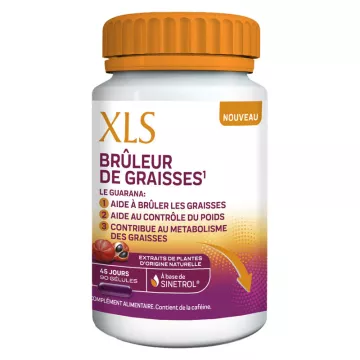
- Caffeine and guarana: increase the release of adrenaline and inhibit phosphodiesterase (an enzyme that breaks down cAMP, a second messenger in lipolysis). The effect depends on the dose and individual tolerance.
- Chromium: improves insulin sensitivity, reducing basal insulin levels and partially lifting the lipolytic inhibition. Particularly useful for people with unstable blood sugar levels.
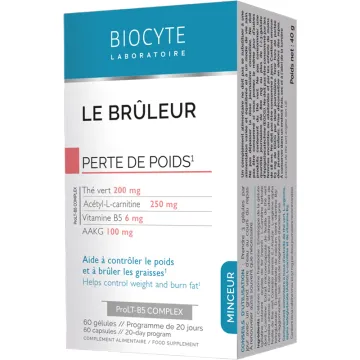
- L-carnitine: facilitates the transport of fatty acids to the mitochondria for oxidation—its effectiveness is enhanced during prolonged aerobic exercise.
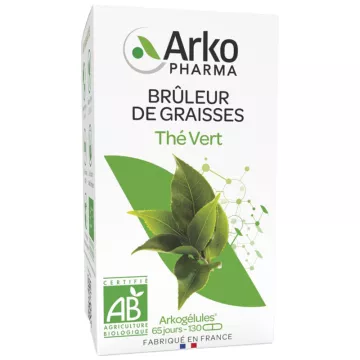
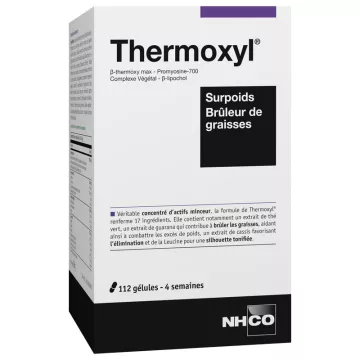
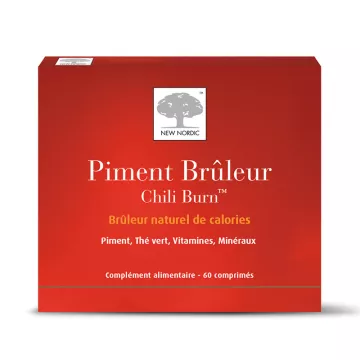
- Green tea (catechins + caffeine): a thermogenic synergy that increases fatty acid oxidation by 10 to 15 percent, according to available clinical studies.
These supplements are effective only when combined with a calorie deficit and regular physical activity. They are never a substitute for a healthy lifestyle, and prolonged use at high doses (particularly caffeine) can lead to tolerance and cardiovascular side effects.