What is iron deficiency, and why is it the most common nutritional deficiency?
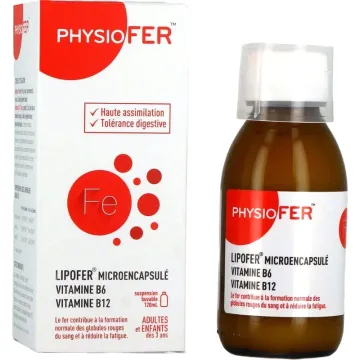
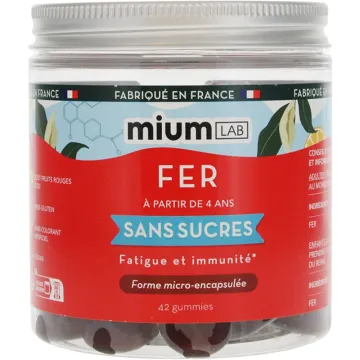
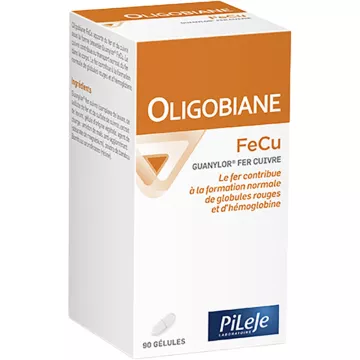
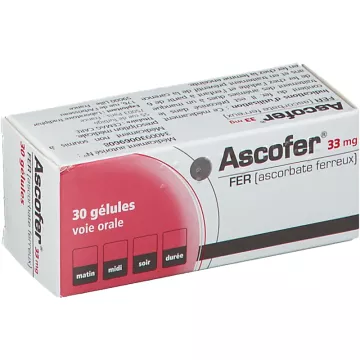
Iron deficiency is the most widespread nutritional deficiency in the world (1.2 billion people affected, WHO)—resulting from an imbalance between iron intake, absorption, and requirements. It progresses through three stages before leading toiron-deficiency anemia —the final stage. Explore our iron products available at pharmacies and our nutritional advice on our iron page for the most bioavailable sources and forms.
- Stage 1 — Depletion of reserves: serum ferritin < 12 µg/L — liver and bone marrow reserves depleted — no symptoms yet — detectable only through laboratory tests
- Stage 2 — Iron deficiency without anemia: serum iron ↓ + transferrin ↑ + transferrin saturation < 16% — fatigue, decreased cognitive and physical performance — red blood cell count still normal
- Stage 3 — Iron-deficiency anemia: hemoglobin < 12 g/dL (women) or < 13 g/dL (men) — microcytosis + hypochromia (MCHC < 27 pg) — pallor + shortness of breath + palpitations + koilonychia (spoon-shaped nails) + hair loss + pica (compulsion to eat dirt/ice)
- Cardiac erythism (complication): compensatory tachycardia + high-output heart failure if severe anemia — see our page on cardiac erythism
- Comprehensive laboratory workup: ferritin (reserves) + serum iron + transferrin + saturation coefficient + complete blood count (hemoglobin, MCV, MCH) + CRP (to rule out inflammation that may skew ferritin levels) + reticulocytes
Causes of iron deficiency based on profile
- Women of childbearing age: heavy menstrual bleeding (menorrhagia > 80 mL/cycle)—the leading cause of iron deficiency in women—gynecological evaluation if ferritin is severely low and menstrual flow is heavy—RDA for iron is 16 mg/day for women vs. 11 mg/day for men
- Pregnancy: needs tripled (27 mg/day) — iron essential for fetal and placental development + expansion of maternal blood volume — deficiency → risk of preterm birth + IUGR + postpartum depression — routine supplementation recommended starting in the first trimester following evaluation
- Vegetarians and vegans: non-heme plant-based iron is absorbed at a rate of 2–10% vs. 20–35% for heme iron from animal sources — inhibitors (phytates, tannins, calcium) abundant in plant-based diets exacerbate this deficiency — see our page on heme iron to understand the difference
- Gastrointestinal malabsorption: celiac disease (villus atrophy → ↓ iron absorption in the duodenum) — prolonged PPI use (↓ acidity → reduced reduction of Fe³⁺ to absorbable Fe²⁺) — bariatric surgery (bypass of the duodenum = the primary site of iron absorption)
- Occult bleeding: gastroduodenal ulcer, colorectal polyps/cancer, angiodysplasia → iron deficiency in adults over 50 with no other identifiable cause → routine colonoscopy — chronic NSAID use (gastrotoxicity + microscopic bleeding)
Treatments and corrective strategies
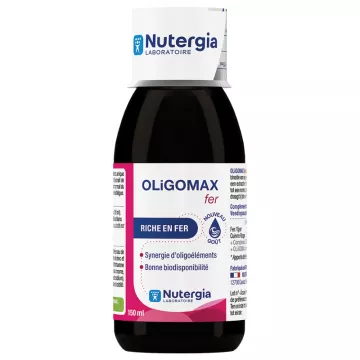
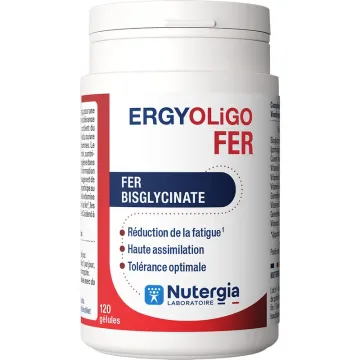
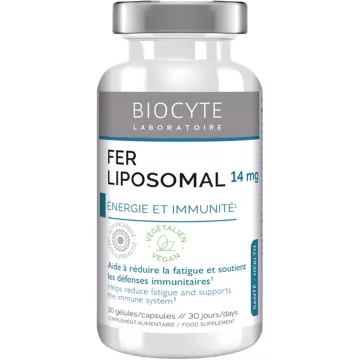
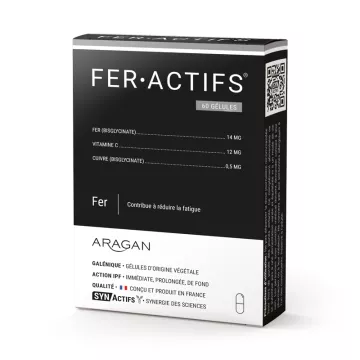
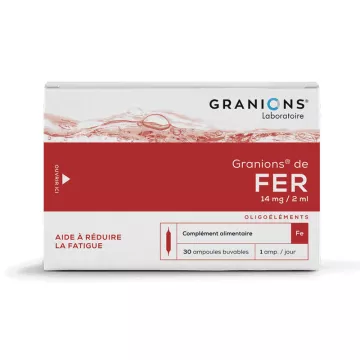
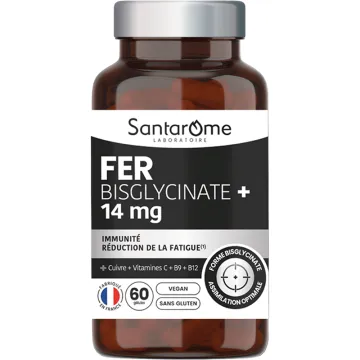
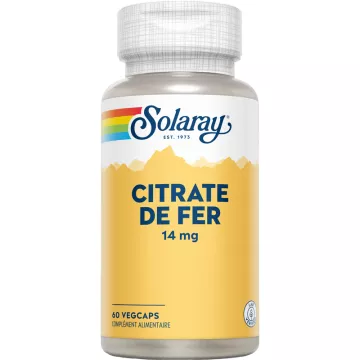
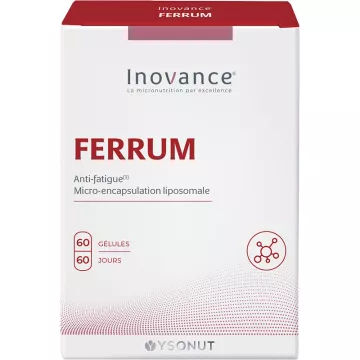
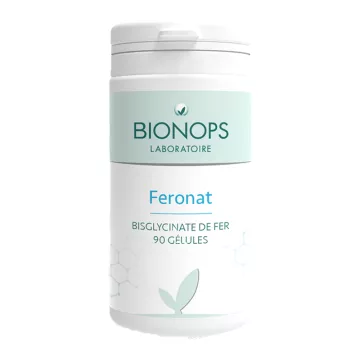
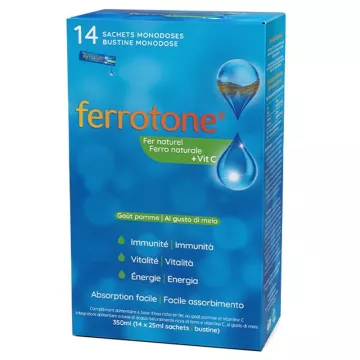
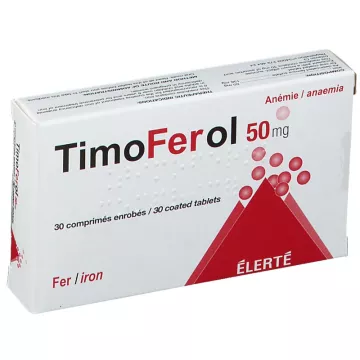
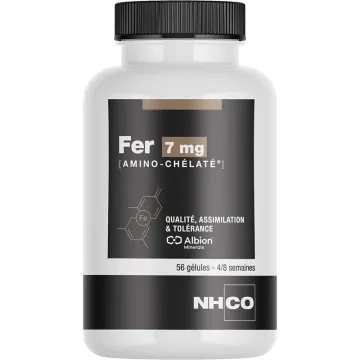
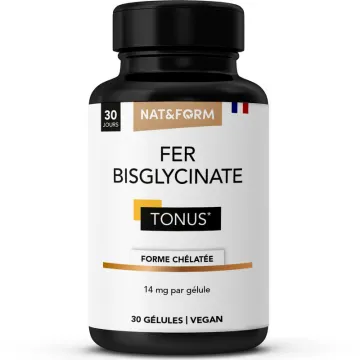
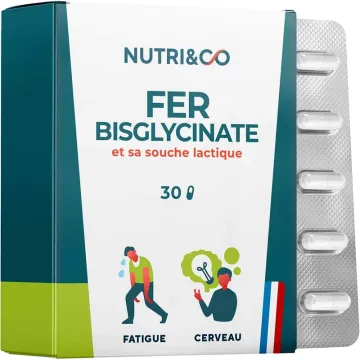
- Oral supplementation: ferrous iron (gluconate, fumarate, sulfate) or iron bisglycinate (better gastrointestinal tolerance) — 80–200 mg of elemental iron/day — to be taken on an empty stomach with vitamin C (improves absorption by 30–40%) — 3–6 months of treatment to replenish stores (target ferritin > 50 µg/L) — gastrointestinal side effects (nausea, constipation) alleviated by taking the supplement with meals or by using iron bisglycinate
- IV (intravenous) iron: ferric carboxymaltose (Ferinject) or ferrous sucrose — indicated in cases of severe oral intolerance, malabsorption, severe preoperative anemia, or refusal of oral supplementation — single injection or course of treatment — rapid restoration of iron stores (ferritin + hemoglobin) — hospitalization or specialized prescription
- Foods rich in heme iron: red meat, organ meats (calf liver 6.5 mg/100 g), poultry, seafood, sardines—bioavailability 20–35% regardless of inhibitors
- Optimizing absorption: vitamin C with meals (citrus fruits, bell peppers, kiwi) — avoid coffee, tea, milk, and calcium around iron-rich meals — cook in cast-iron cookware — folic acid (B9) is often combined if there is mixed iron- and folate-deficiency anemia
- Monitoring efficacy: Complete blood count (CBC) + ferritin at 4–6 weeks—hemoglobin should increase by 1–2 g/dL per month if treatment is effective—continue until ferritin > 50 µg/L—investigate the cause if correction is insufficient
Targeted prevention and monitoring of at-risk groups
- Pregnant women: Iron assessment (ferritin + CBC) in the first trimester — routine supplementation if ferritin < 30 µg/L — folic acid 400 µg/day starting at preconception — pregnancy-specific formulas containing iron, folate, and iodine are available in our nutritional deficiency product line
- Children and Adolescent Girls: growth spurts + menstruation → increased needs — excessive dairy intake → inhibition of iron absorption — varied diet + legumes + meats + vitamin C
- Vegetarians/vegans: check ferritin levels annually — consume legumes + tofu + pumpkin seeds + quinoa + dried fruits + spirulina — always with vitamin C — avoid tea/coffee with meals — iron bisglycinate supplementation is well tolerated if ferritin < 30 µg/L
- Endurance athletes: mechanical hemolysis caused by foot impact (foot strike hemolysis) + sweat loss + chronic inflammation → frequent functional deficiency — screen ferritin levels every six months — supplementation threshold lowered to ferritin < 30 µg/L in athletes
- Long-term monitoring: uncorrected iron deficiency → chronic fatigue + immunosuppression + cognitive impairment — do not discontinue treatment as soon as hemoglobin levels normalize (reserves have not yet been replenished) — target ferritin > 50 µg/L before discontinuation