
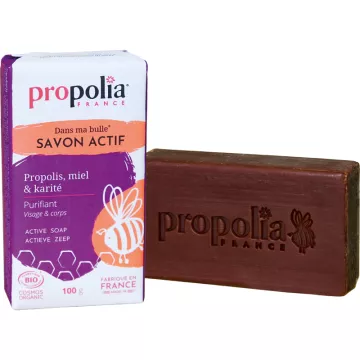
Intimate hygiene refers to the daily care of the genital area to keep it clean, healthy, and comfortable. It prevents bacterial and fungal infections, reduces irritation, and maintains the balance of the vaginal flora —the mucous membrane’s first line of defense. Inadequate intimate hygiene—whether too much or too little—can disrupt this delicate ecosystem and pave the way for recurrent infections.
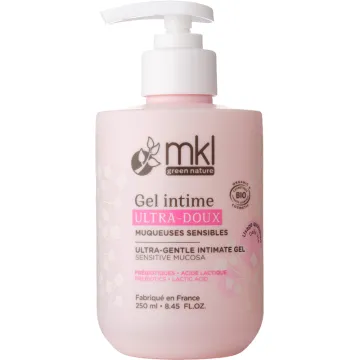
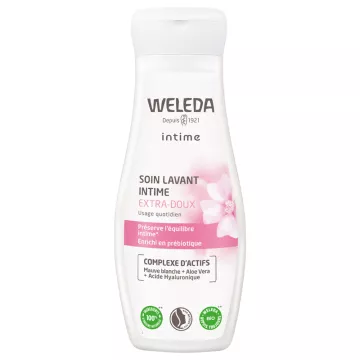
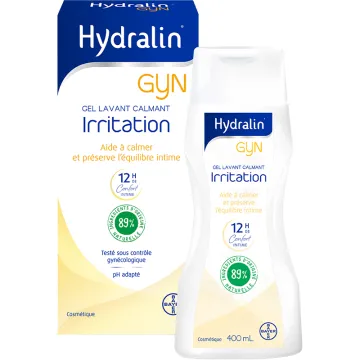
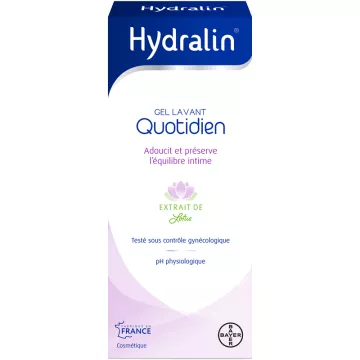
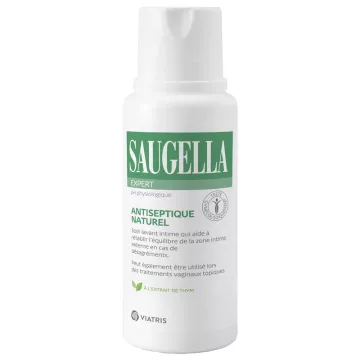
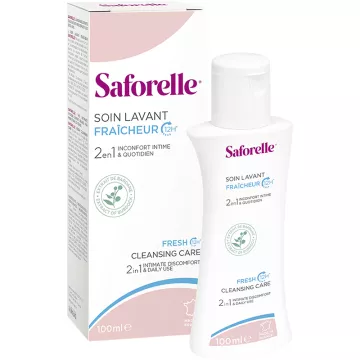
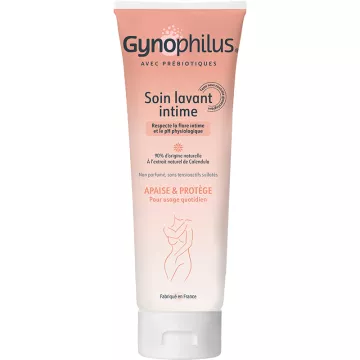
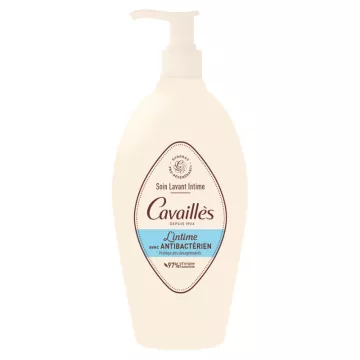
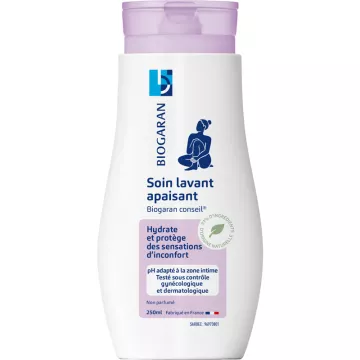
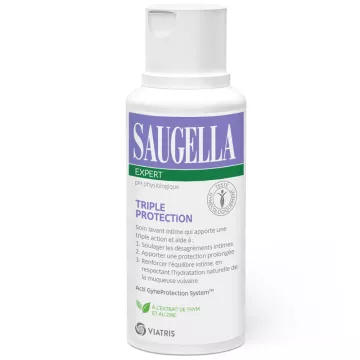
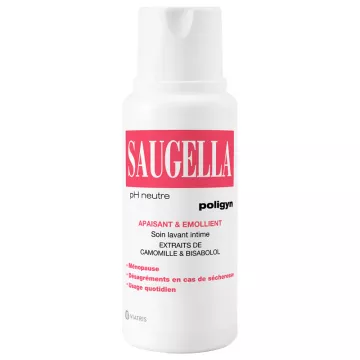
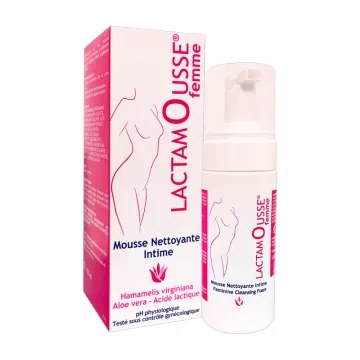
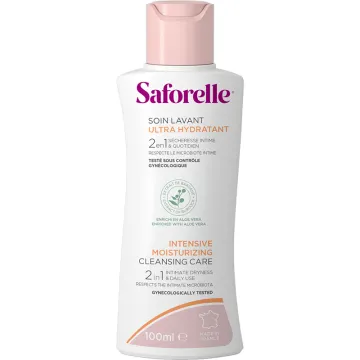
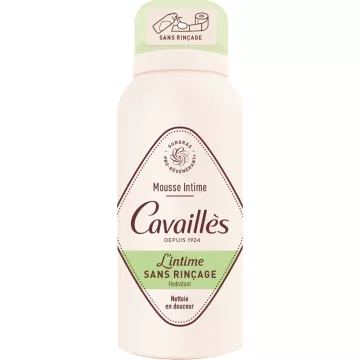
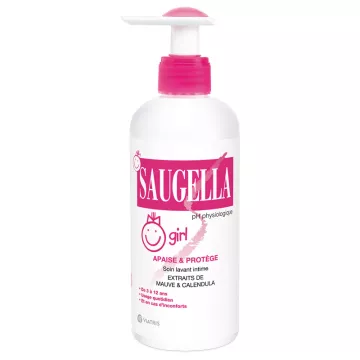
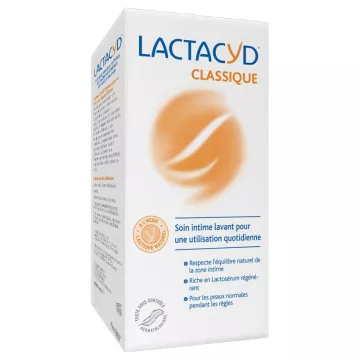
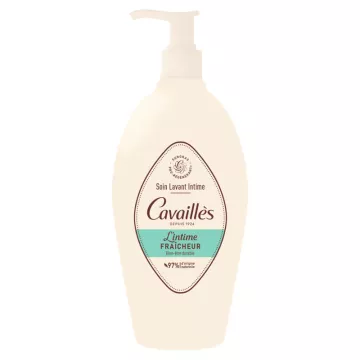
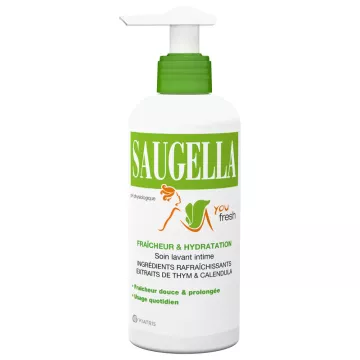
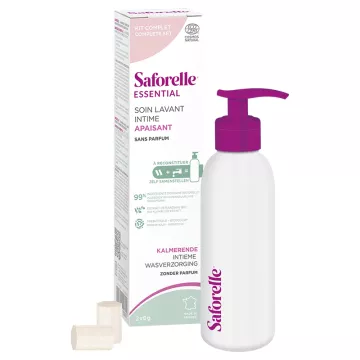
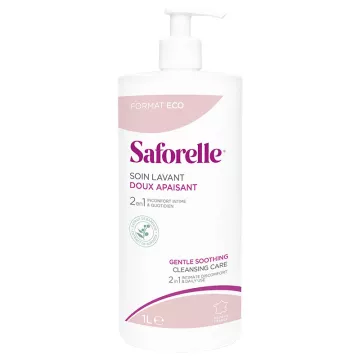
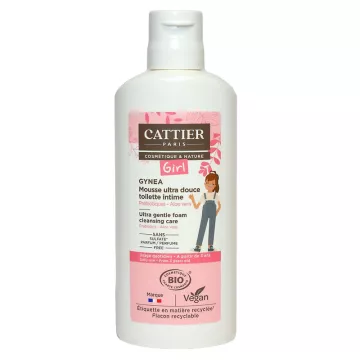
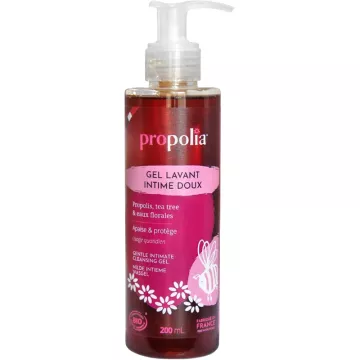
The external genital area requires products formulated with a slightly acidic pH (3.5–4.5) that are fragrance-free, alcohol-free, and sulfate-free. Conventional body washes, which are too alkaline, destroy the protective lactobacilli. A gentle intimate cleansing gel, enriched with soothing ingredients such as aloe vera or chamomile, cleanses effectively without disrupting the pH balance. Warm water alone, applied once a day to the external area, may be sufficient for women without specific symptoms.
The cleansing process should be gentle and precise. Apply the gel only to the external vulva with clean hands, massaging gently. Always wash from front to back to prevent fecal bacteria from contaminating the urethra and vagina. Rinse thoroughly with lukewarm water to remove all product residue. Pat dry gently—residual moisture promotes the growth of yeast and pathogenic bacteria.
Daily intimate hygiene —once or twice a day—is sufficient in most cases. During menstruation, one or two additional washings per day help prevent odors and reduce the risk of infection. After intense physical activity, cleaning the area is still recommended. Excessive washing—more than three times a day—harms the natural flora by removing natural protective secretions.
Itching, redness, vaginal irritation, unusual odors, or abnormal discharge may indicate improper hygiene. These same symptoms can also indicate a yeast infection, bacterial vaginosis, or a sexually transmitted infection. Any persistent symptoms should prompt you to see a doctor or gynecologist for an accurate diagnosis—never treat the condition without a diagnosis, as this could worsen the imbalance.
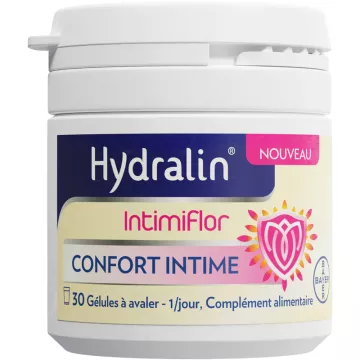
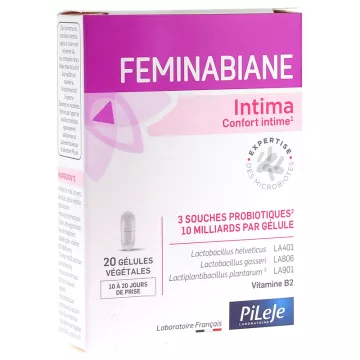
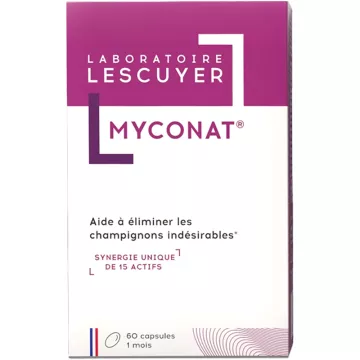
Probiotics, particularly lactobacilli, help maintain the balance of the vaginal flora from within. When consumed regularly in the form of plain yogurt, kefir, or dietary supplements, they limit the growth of harmful bacteria and yeast. They are particularly recommended after a course of antibiotics, to prevent recurrent yeast infections, or for women prone to repeated vaginal infections.
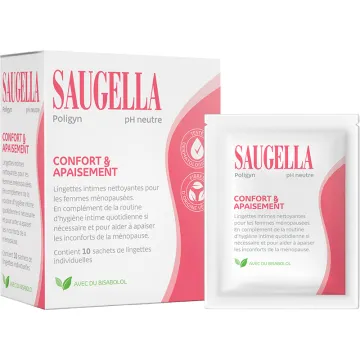
Hormonal fluctuations—pregnancy, menopause, and the menstrual cycle—alter the vaginal pH and the composition of the vaginal flora, making the genital area more vulnerable. During pregnancy, a pH-balanced intimate gel is recommended to prevent infections. During menopause, the drop in estrogen reduces vaginal secretions and calls for gentler, more moisturizing care. These periods require an adjusted hygiene routine and medical follow-up if symptoms appear.
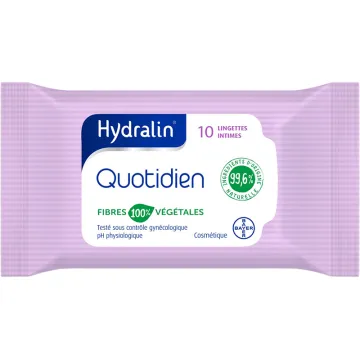
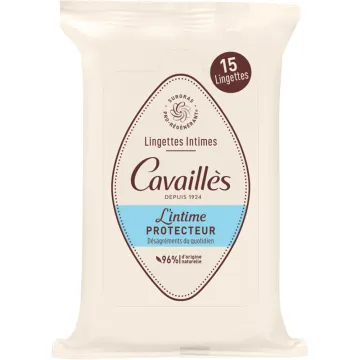
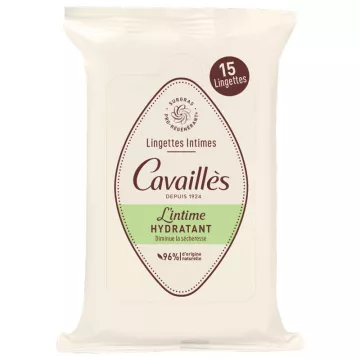
When away from home, a few precautions can help maintain good intimate hygiene. Pack alcohol-free and fragrance-free intimate wipes for quick cleansing between showers. Wear cotton underwear and change regularly to limit moisture. Avoid tight-fitting or synthetic clothing during long trips. In shared spaces—such as swimming pools and locker rooms—always wear sandals and never share towels to minimize the risk of fungal infections.