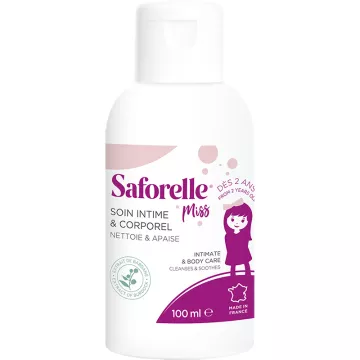
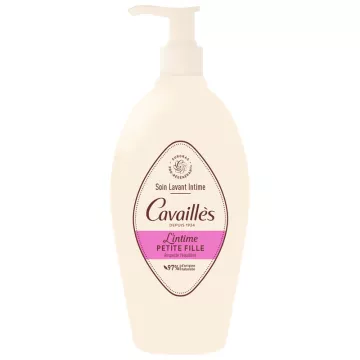
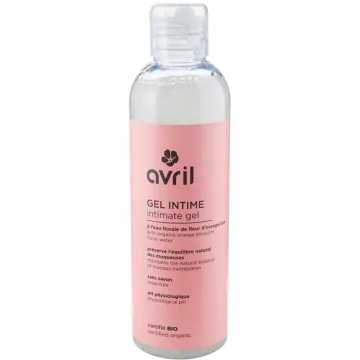
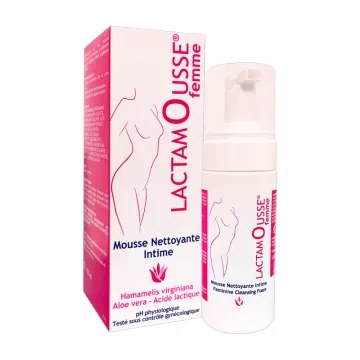
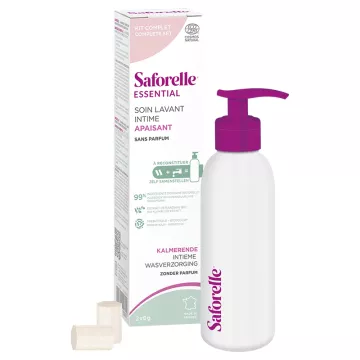
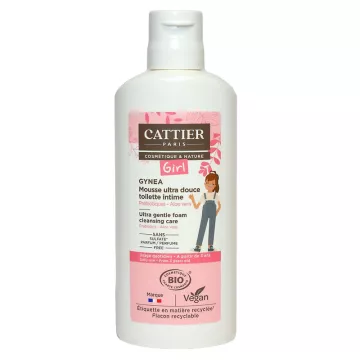
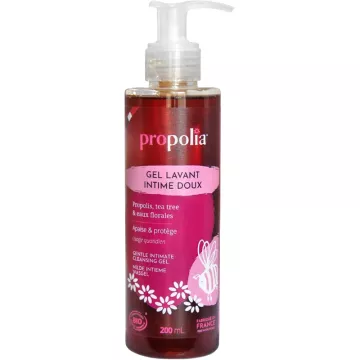
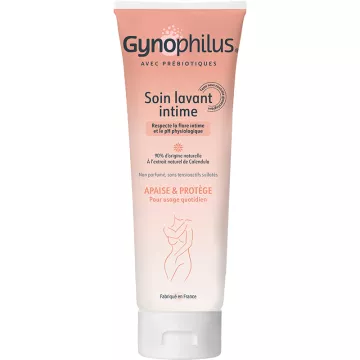
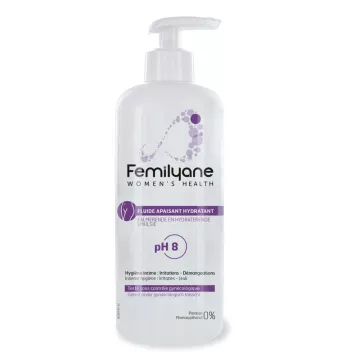
Intimate hygiene refers to the specific care of the external genitalia. It prevents infections, maintains the natural pH balance of the vaginal flora, and helps avoid irritation or unpleasant odors. When performed with appropriate products—those with a slightly acidic pH, fragrance-free, and sulfate-free—it is an essential daily health practice for people of all ages. The genital mucosa is self-cleaning internally; intimate hygiene concerns only the external area (vulva).
Vaginal douching involves rinsing the inside of the vagina with liquid solutions—a practice strongly discouraged by healthcare professionals. It destroys protective lactobacilli, raises the pH, and promotes colonization by pathogenic germs responsible for bacterial vaginosis and yeast infections. Proper intimate hygiene is limited to external cleansing of the vulva. The vaginal lining produces its own protective secretions and regulates itself without external intervention.
Several common habits are harmful to intimate health. Using regular shower gel or soap that is too alkaline disrupts the pH balance. Excessive cleansing—more than twice a day—destroys natural protective secretions. The use of scented wipes or intimate deodorant sprays causes persistent vaginal irritation and allergic reactions. These mistakes are often the cause of recurring imbalances in the intimate flora.
Intimate hygiene needs vary depending on the phase of the cycle. During menstruation, the vaginal pH rises and secretions change—cleaning two to three times a day is recommended, using fragrance-free products to avoid irritation of the more sensitive mucous membrane. During the follicular and luteal phases, daily cleansing is sufficient. A slight increase in discharge around ovulation is normal and does not require additional cleansing.
Athletes are more prone to intimate irritation due to sweat, heat, and friction from clothing. Practicing intimate hygiene immediately after physical activity prevents the growth of bacteria and yeast in a warm, moist environment. Using a gentle cleansing gel, changing underwear after exercise, and opting for clothing made of breathable fabrics significantly reduce the risk of yeast infections andpost-workout irritation.
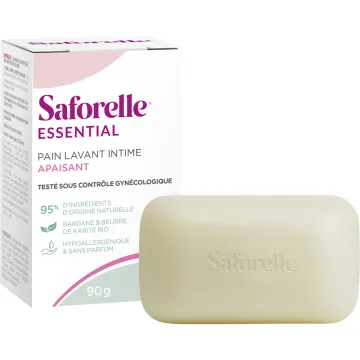
People with sensitive skin in the intimate area should pay special attention to the ingredients in these products. Opting for cleansers formulated without soap, fragrance, or dyes—and enriched with soothing ingredients likealoe vera or chamomile—reduces the risk of a reaction. Hypoallergenic and “dermatologically tested” certifications offer an additional guarantee. If irritation persists after using a product, switch to a different formula immediately.
Pregnancy makes the intimate area particularly sensitive due to hormonal changes that alter the pH and increase the risk of infections. Gentle, regular cleansing with products free of phenoxyethanol, fragrance, and contraindicated essential oils is essential. Avoid douching at all costs throughout your pregnancy. Regular gynecological checkups allow for the early detection and treatment of any imbalances.
Probiotics containing lactobacilli are an effective natural supplement to external intimate hygiene. When taken orally or applied topically, they restore the protective vaginal flora, lower the pH, and limit the growth of pathogenic bacteria. They are particularly recommended after antibiotic treatment and for women prone to recurrent intimate infections despite proper intimate hygiene.