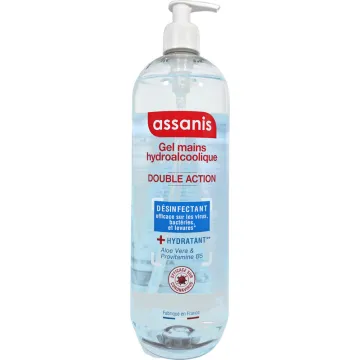
Hand sanitizer is a rub-on antiseptic solution whose composition is regulated by the WHO and European health authorities. Its alcohol base—ethanol or isopropanol—provides antimicrobial activity by denaturing the membrane proteins of pathogens. To be effective, the alcohol concentration must be at least 60% (WHO), ideally 70% to 80% for optimal effectiveness against bacteria, enveloped viruses, and yeasts. Certified hydroalcoholic gels are available in the store’s line of disinfectants and antiseptics.
The WHO formula for local preparation includes 96% ethyl alcohol, 3% hydrogen peroxide (which eliminates residual bacterial spores in the alcohol), 98% glycerin (a moisturizing agent that protects the skin barrier), and distilled or cooled boiled water. This formula ensures a final ethanol concentration of approximately 80%, in accordance with virucidal requirements. Always check the expiration date: alcohol gradually evaporates, and an expired gel may have lost some of its antimicrobial effectiveness.
Hand sanitizer is effective against the vast majority of common viral and bacterial infections, provided that a sufficiently concentrated product is used and the proper rubbing technique is applied. It rapidly kills:
However, the gel is not very effective—or even ineffective—against bacterial spores (Clostridium difficile), non-enveloped viruses (norovirus, adenovirus, rotavirus, enterovirus), and hands soiled with organic matter or grease. In these cases, washing with soap and water is essential and cannot be replaced by hand sanitizer. Alcohol-based disinfectant wipes and hydroalcoholic spray solutions are practical alternatives to traditional hand sanitizer gel, particularly for quickly disinfecting a small area or when a pump bottle is not available—they must contain the same minimum alcohol concentration to be effective.
The rubbing technique is just as important as the product’s concentration. Apply 3 mL (a generous pea-sized amount) to dry hands, then rub for 20 to 30 seconds, covering all surfaces—palms, backs of hands, spaces between fingers, around the nails, and wrists—and let it dry without wiping it off. To preserve skin integrity during frequent use (caregivers, frontline workers), choose a gel enriched with glycerin oraloe vera extract and alternate regularly with washing using mild soap. People with atopic or very dry skin may benefit from applying a topical vitamin C product or a barrier cream between uses to limit skin dehydration.
For storage, keep the bottle in a cool, dry place, away from direct light and heat sources (alcohol is flammable and evaporates more quickly when warm). Never leave a bottle open. Observe the expiration date—after this date, the alcohol concentration may be insufficient to ensure effective disinfection. To protect children’s immune systems, opt for washing with soap for children under 3 years of age, and use the gel only under adult supervision for older children due to the risk of accidental ingestion.