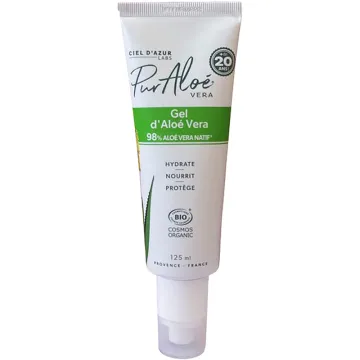
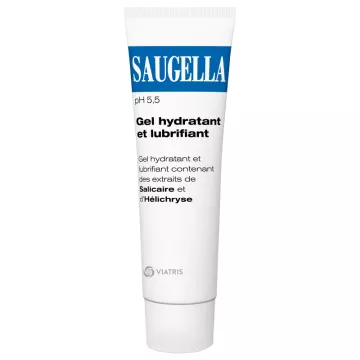
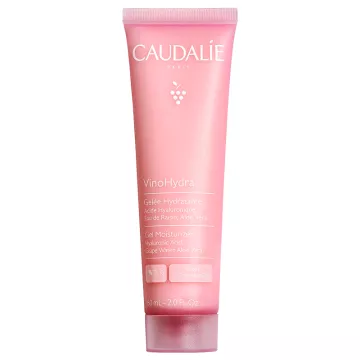
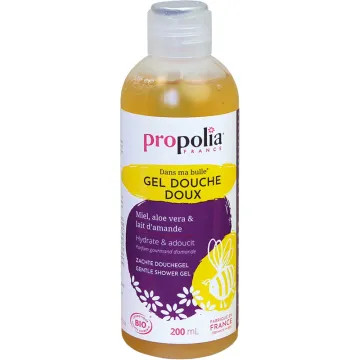
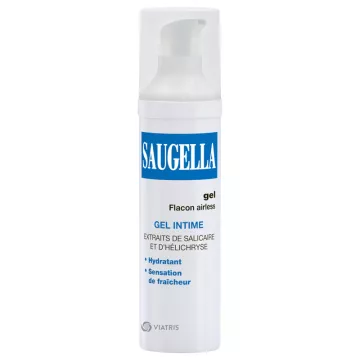
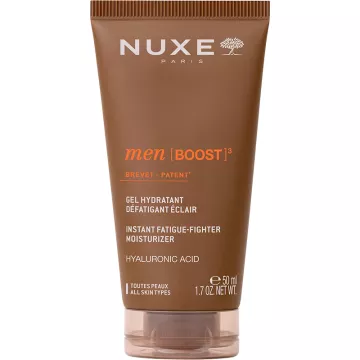
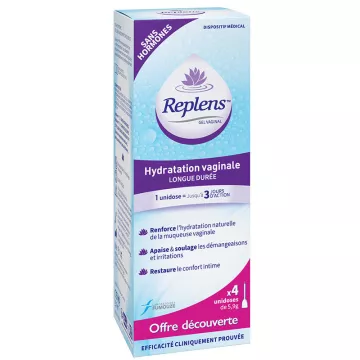
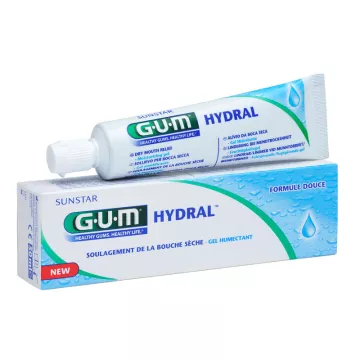
A humectant gel is a moisturizing product formulated to attract water and lock it into the outer layers of the skin or hair.
Its main function is to capture moisture from the environment and bind it to the skin or hair surface, thereby promoting a hydrated, comfortable feeling.
Humectant gels are used in many skin and hair care formulations because of their ability to visibly hydrate without weighing down the skin or hair or leaving a greasy residue.
Their lightweight texture is particularly suitable for daily use and for a wide range of skin and hair types.
Several active ingredients characterize humectant gels:
These active ingredients are regulated by European Regulation (EC) No. 1223/2009 on cosmetics.
Moisturizing gels are suitable for a wide range of skin types:
For very dry or atopic skin, or during the winter, a humectant alone may not be enough: consider following up with a nourishing treatment as the final step.
To maximize the benefits of a humectant gel, follow these guidelines for application.
Apply it to clean, slightly damp skin—ideally right after cleansing or misting—to lock inthe moisture already present.
Gently massage until fully absorbed, then seal in with a serum, cream, or balm depending on your skin’s needs.
It can be used morning and night on the face, neck, décolletage, and other areas of the body. Consistency in your routine is more important than piling on products.
When used on hair, humectant gels offer several specific benefits:
Humectant gels are generally well-tolerated, but a few precautions are advisable:
Humectant gels and moisturizing gels share a common goal (providing water) but work through complementary mechanisms.
Humectant gels draw water from the environment (and from the deeper layers of the skin) to the superficial stratum corneum.
Hydrating gels, in the broadest sense, often combine several actions: humectants (hyaluronic acid, glycerin), emollients (waxes, light oils), and sometimes occlusives (silicones, light butters) to limit transepidermal water loss.
Many modern formulas combine these three classes of active ingredients for multi-level hydration.
Humectant gels can be applied to the scalp to provide a soothing sensation and support skin hydration.
They are particularly beneficial for dry, tight, or uncomfortable scalps and can be used in conjunction with a mild shampoo and an appropriate hair care product.
In cases of persistent dandruff (excessive white flakes, itching, red patches), an underlying medical condition may be the cause (seborrheic dermatitis, scalp psoriasis, eczema): consult a dermatologist for a diagnosis and appropriate treatment.
Choose products specifically formulated for the scalp, with a simple formula and free of drying alcohol.
Well-hydrated skin feels more supple and better retains its plump appearance after light pressure or gentle stretching.
Moisturizing gels visibly support this state of hydration, resulting in increased skin comfort and a reduction in fine lines caused by dehydration.
Whether on young or mature skin, regular use as part of a skincare routine helps the skin appear more supple, radiant, and plump.
Hydration remains an essential pillar of any anti-aging routine, complementing targeted active ingredients (peptides, antioxidants, daily SPF ).
Humectant gels can easily be combined with other skincare products to address the specific needs of the skin or hair.
Classic method: Apply the hydrating gel first (to slightly damp skin), then layer on targeted active ingredients (vitamin C serums, peptides, antioxidants).
For very dry skin, seal in moisture with a plant-based oil or a nourishing balm as the final step to minimize transepidermal water loss.
Avoid layering too many products in a single routine: 3 to 5 carefully selected steps are generally more effective than a cascade of treatments. Also be mindful of known incompatibilities (for example: pure vitamin C and high-concentration niacinamide applied simultaneously).
Humectant gels are generally well tolerated by most skin types.
Possible adverse effects, though rare, include redness, a tingling sensation, itching, or contact allergy to an excipient (fragrances, preservatives, certain active ingredients).
Always perform a skin test on the inner elbow 48 hours before first use, especially if you have allergic or highly reactive skin.
If you experience a severe or persistent reaction (widespread redness, severe itching, skin rashes), discontinue use and consult a dermatologist.