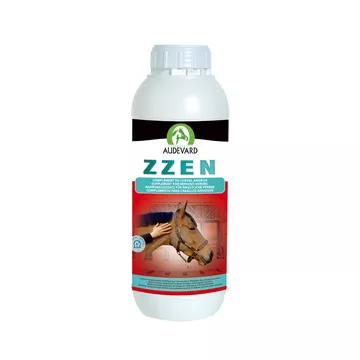
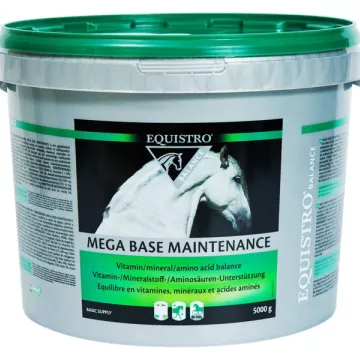
Stress in horses is a physiological and behavioral response to stimuli perceived as threatening or unsettling. The causes fall into two categories: environmental factors (isolation from other horses, permanent stabling, lack of pasture, frequent changes in environment) and activity-related factors (transport, competition, intense training, weaning of the foal from the mare). Horses are prey animals with a herd instinct and a flight response—any situation of isolation or restraint perceived as impossible to escape from triggers prolonged activation of the HHS axis, leading to hypercortisolism. Chronic stress manifests as stereotypies (kicking, air-sucking, weaving), gastric ulcers, immunosuppression, and persistent behavioral disorders.
Signs of equine stress can be observed on several levels. Acute manifestations include hypervigilance (moving ears, fixed gaze, flared nostrils), nervousness during grooming or tacking up, kicking when being saddled, and difficulty remaining still. Chronic signs are more subtle: loss of appetite, weight loss despite an adequate diet, a dull coat, recurrent diarrhea, and excessive sweating. Stereotypies are warning signs of chronic, unresolved stress. Marine magnesium is one of the first deficiencies to address in a nervous horse—it modulates the NMDA and GABA-A receptors in the central nervous system, reducing neuromuscular hyperexcitability.
Several active ingredients are used to support a horse’s nervous system balance:
Tryptophan and vitamin B1 often form the basis of long-acting powder formulations, while L-theanine and passionflower are more commonly found in rapid-acting formulations (syringes and liquids for rapid administration).
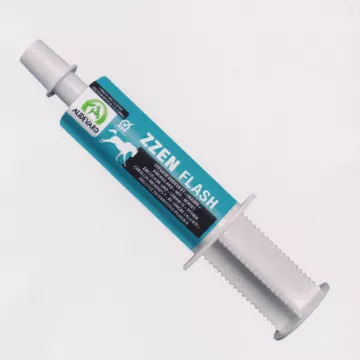
Calming syringes (60-ml oral format, administered directly into the mouth) provide a solution for acute stress—such as during transport, competition, farriery, or stressful veterinary procedures. Their composition typically combines magnesium, tryptophan, L-theanine, calming plant extracts, and vitamin B1 in a fast-absorbing gel or liquid. The effect begins within 30 to 60 minutes and lasts 4 to 6 hours. These products are dietary supplements and are not included on the list of equine doping substances—they may therefore be used in official competition, subject to prior verification of the rules for each discipline.
Anti-stress supplementation cannot replace an appropriate behavioral approach. The most effective long-term measures include increasing grazing time with other horses (fresh grass rich in natural magnesium and B vitamins), reducing time spent in the stall, maintaining a stable routine, and enriching the environment (toys, hay available at all times). Groundwork techniques and natural riding methods help rebuild trust with the rider and reduce anxiety during handling. The well-being of farm animals depends on this combination of nutritional care and a behavioral approach that respects the species’ ethology.
Certain signs of equine stress go beyond what can be addressed with nutritional supplementation and require veterinary evaluation. Progressive weight loss despite an appropriate diet, recurrent colic (often linked to chronic stress and gastric ulcers), chronic abdominal pain, a sudden change in behavior in a horse that is usually calm, or the onset of stereotypies that have been present for less than 6 months warrant further investigation. Diagnosis of gastric ulcers (gastroscopy) and measurement of salivary or urinary cortisol levels can help quantify the degree of chronic stress. Stress management in horses is an area where the equine behavioral veterinarian (a recognized specialty) provides valuable expertise that complements nutritional approaches. Vitamin B1 (thiamine) via intravenous injection may be administered by the veterinarian in cases of acute deficiency with neurological signs (ataxia, inability to stand)—a condition distinct from common functional anxiety.