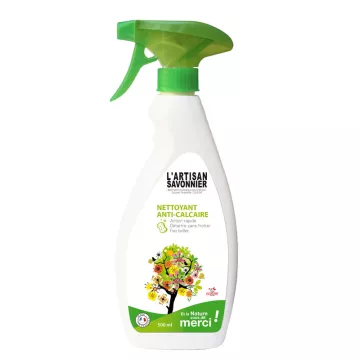
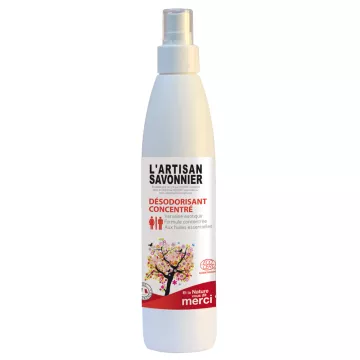
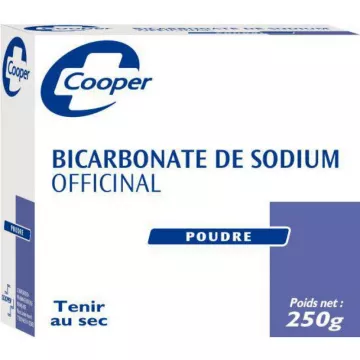
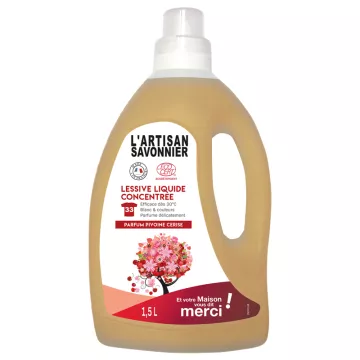
Regular and appropriate cleaning is the first line of defense against indoor allergens: dust mites, mold, bacteria, and bed bugs thrive in poorly maintained homes. Eco-friendly products, targeted cleaning techniques, and appropriate cleaning frequencies help maintain a healthy home without exposing occupants to unnecessary chemicals.
Why is cleaning essential for health?
Indoor air can be 2 to 5 times more polluted than outdoor air. Dust, fungal spores, allergens, and volatile organic compounds from household products: without ventilation or regular cleaning, their concentrations gradually increase. Targeted cleaning combined with proper ventilation significantly reduces risks for people with sensitivities (allergic rhinitis, asthma).
How can you reduce indoor allergens?
Reducing allergens in the home requires specific steps and the right equipment.
- Vacuum with a HEPA filter: it captures dust mites, pollen, mold spores, and pet dander without releasing them back into the air
- Ventilate each room for at least 10 minutes a day to refresh the air and lower pollutant levels
- Wash textiles (curtains, bedspreads, stuffed animals) at 60°C once a month
- Maintain indoor humidity between 40% and 50% to limit dust mites and mold
How can you prevent mold growth at home?
Mold grows on damp surfaces and bathroom grout, releasing allergenic spores into the air. Prevention relies on controlling humidity.
- Always ventilate the bathroom after every shower or bath
- Treat grout and tiles with an antifungal product at the first sign of mold
- Avoid drying laundry in bedrooms—evaporation significantly increases indoor humidity
- If mold is widespread, consult a specialist: certain species (Aspergillus, Stachybotrys) pose real respiratory risks
How do you disinfect high-risk areas?
Disinfection should focus on high-touch surfaces and priority contamination areas.
- Door handles, light switches, remote controls: Disinfect 2 to 3 times a week with a bactericidal disinfectant solution
- Kitchen and bathroom: Treat food-contact surfaces daily with a no-rinse disinfectant
- Bedding: Change and wash at 60°C every week; use certified dust-mite-proof covers
- Never use a wet cloth without disinfectant on bathroom surfaces—risk of spreading bacteria
Household cleaning products: risks and healthy alternatives?
Conventional household cleaning products may contain compounds that irritate the respiratory tract and act as endocrine disruptors.
- Opt for products certified by Ecocert, EU Ecolabel, or COSMOS that are free of chlorinated solvents and alkylphenols
- Effective natural products: white vinegar (descaling, bacteriostatic), baking soda (deodorizer), black soap (degreaser)
- Ensure good ventilation when using any spray or aerosol
- Check ANSES and INRS alerts regarding household products identified as posing a risk
Bed Bugs: Cleaning and Prevention?
Bed bugs are resistant to common household products. Eliminating them requires a specific protocol.
- Vacuum mattresses, box springs, baseboards, and bed frames thoroughly—empty the vacuum cleaner immediately
- Wash sheets and clothing at a minimum of 60°C; dry on a hot cycle
- Treat with insecticide sprays specifically designed for bed bugs or call in a professional for confirmed infestations
- Use certified bed bug-proof mattress covers to prevent and detect infestations