What is the hepatic system, and why is the liver so important to our health?
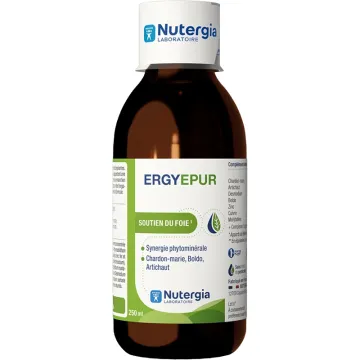
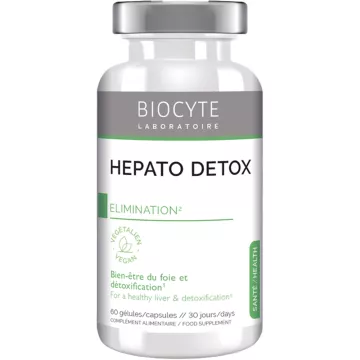
The hepatic system refers to all the functions, conditions, and treatments related to the liver—an organ weighing 1.2–1.5 kg that performs more than 500 metabolic functions. For specific conditions, see our pages on liver disorders, hepatitis, and cirrhosis. Our line of detox supplements naturally supports liver health.
- Central metabolism: conversion of nutrients (carbohydrates → glycogen, lipids → lipoproteins, amino acids → urea) — regulation of blood sugar levels — storage of vitamins A, D, E, K, B12, and iron
- Detoxification: filtration of 1.5 L of blood per minute — drug metabolism (cytochromes P450) — alcohol metabolism (acetaldehyde → acetate) — conjugation of bilirubin for biliary excretion
- Bile production: 500–1,000 mL/day — storage in the gallbladder — emulsification of fats + absorption of fat-soluble vitamins A, D, E, and K
- Hepatic immunity: Kupffer cells (resident liver macrophages) — first line of defense against enteric pathogens — production of complement proteins (C3, C4) and acute-phase proteins (CRP, fibrinogen) — a diseased liver = weakened immunity
- Coagulation: synthesis of all coagulation factors (I through XIII except VIII)—the PT/INR directly reflects liver function—liver failure → major bleeding risk
Liver Diseases and Warning Signs
- Hepatic steatosis (NASH): accumulation of fat in hepatocytes — linked to obesity, type 2 diabetes, and metabolic syndrome — the leading global cause of cirrhosis, with cases on the rise — reversible in the early stages through weight loss and a proper diet
- Viral hepatitis: A (fecal-oral), B (blood/sexual), C (blood-borne) — hepatitis C is curable in >95% of cases with modern direct-acting antivirals (DAAs) — HCV screening recommended once in a lifetime (ages 18–75)
- Cirrhosis: irreversible liver fibrosis — portal hypertension → ascites + esophageal varices + hepatic encephalopathy — liver transplantation in end-stage disease
- Hepatocellular carcinoma (HCC): primary liver cancer — almost always develops in a diseased liver (cirrhosis, advanced steatosis) — screening every six months via ultrasound + α-FP in all patients with cirrhosis — the 5th most common cancer worldwide
- Warning signs (seek urgent medical attention): jaundice (yellow skin and eyes) — ascites (swollen abdomen + rapid weight gain) — pale stools + dark urine — extreme fatigue + confusion (encephalopathy) — persistent upper right quadrant pain — any repeated abnormal liver function tests
Natural remedies and diet to support liver health
- Milk thistle (silymarin 150–300 mg/day): the gold standard hepatoprotective agent — stabilizes hepatocyte membranes + stimulates regeneration + antioxidant — beneficial in steatosis, mild hepatitis, and drug- or alcohol-induced liver overload
- Bioavailableturmeric (curcumin + piperine, 500–1,000 mg/day): anti-inflammatory for the liver — inhibits NF-κB and TNF-α — positive clinical data for NASH — contraindicated in cases of known gallstones
- Green tea (EGCG, epigallocatechin gallate): powerful hepatic antioxidant — epidemiological data on reduced risk of HCC — 3–5 cups/day or standardized extract 400–500 mg/day — caution: at very high doses, paradoxical hepatotoxicity has been reported (rare cases)
- Coffee (2–4 cups/day): 40% reduction in the risk of cirrhosis — 40% reduction in the risk of HCC — mechanism: inhibition of hepatic fibrosis by coffee polyphenols — the benefit is dose-dependent up to 4 cups/day
- Overall liver-protective diet: cruciferous vegetables (broccoli, cabbage, sulforaphane — activation of Phase II detoxification) — berries (anthocyanins) — nuts (vitamin E) — olive oil — reduce industrial fructose (primary hepatic lipogenic factor) — see our detox and weight-loss line
Liver Monitoring, Prevention, and Screening
- Baseline liver function tests: ALT + AST (cytolysis) — GGT + PAL (cholestasis) — total and conjugated bilirubin — albumin + TP/INR (liver function) — CBC + platelets — to be performed annually if risk factors are present
- Populations requiring monitoring: type 2 diabetes — overweight/obesity (BMI > 25) — alcohol consumption > 2 drinks/day — chronic hepatitis B or C — long-term use of hepatotoxic medications (MTX, amiodarone, statins, acetaminophen > 2 g/day if liver disease is present)
- Vaccination: Hepatitis B recommended for all infants + catch-up vaccination for unimmunized adults (high-risk occupations, travelers) — Hepatitis A for travelers to endemic areas — Vaccines available through our health services
- Alcohol: WHO recommends < 10 drinks per week — complete abstinence if liver disease is diagnosed — alcoholic steatosis is completely reversible upon cessation of alcohol consumption
- Follow-up for patients with cirrhosis: ultrasound + AFP every 6 months (HCC screening) — EOGD every 2–3 years (esophageal varices) — weekly weight and waist circumference measurements (ascites) — low-sodium diet + fluid restriction if ascites is present