What is hand sanitizer, and how does it work?
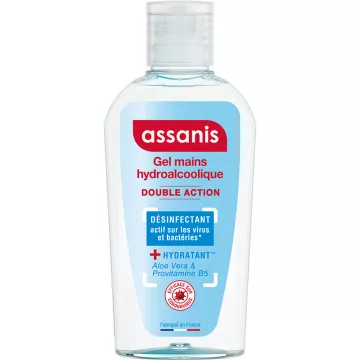
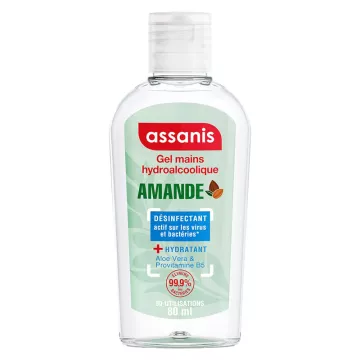
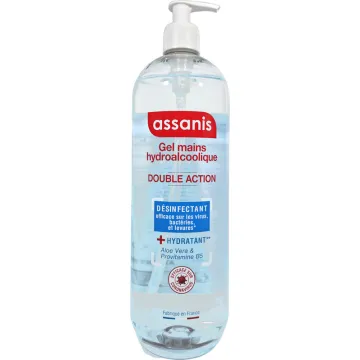
Hand sanitizer, more precisely known as hydroalcoholic gel or solution (SHA), is a product designed forhand hygiene when soap and water are not available. Its formula is primarily based on ethanol or isopropanol, with a recommended effective concentration between 60% and 95% according to international guidelines (WHO). The alcohol acts within seconds by denaturing the membrane proteins of microorganisms present on the skin, which helps reduce the microbial load. The gel dries through evaporation, without rinsing.
What are the benefits of hand sanitizer?
Using hand sanitizer offers several practical benefits:
- Fast-acting: It reduces the microbial load on the skin within seconds of application.
- Convenience: pocket-sized, usable anywhere, ideal for travel or in public settings.
- Complementary step: It helps limit the spread of microorganisms on the hands when access to a sink is not available.
- Skin comfort: Formulas enriched with glycerin or aloe vera help reduce the tight, dry feeling caused by alcohol.
How to Choose a Good Hand Sanitizer?
To choose an effective hand sanitizer, several criteria should guide your decision:
- Alcohol concentration: Ideally, look for 60 to 80% ethanol or isopropanol (WHO/ANSM guidelines).
- Moisturizing ingredients: The presence of glycerol/glycerin, aloe vera, or moisturizing glycols counteracts the drying effect of alcohol.
- Mildly scented formula: preferable for sensitive skin and when used repeatedly throughout the day.
- Regulatory compliance: Choose gels that comply with the EN 1500 standard (virucidal/bactericidal efficacy for hygiene purposes) and are classified as biocides or cosmetics depending on their intended use.
How to Use Hand Sanitizer Properly?
For optimal use of hand sanitizer:
- Apply a sufficient amount (3 to 5 ml) to the palm of your hand to be able to rub both hands thoroughly.
- Rub all surfaces: palms, backs of hands, between the fingers, thumbs, and fingertips (flesh and nails).
- Continue rubbing for 20 to 30 seconds, until your hands are completely dry, without wiping or rinsing.
- Be sure to apply it to clean, dry hands: an alcohol-based hand sanitizer is less effective on hands that are visibly dirty, greasy, or soiled. In such cases, wash your hands with water and mild soap instead.
What are the risks of frequent hand sanitizer use?
Although useful, repeated use of hand sanitizer can cause some side effects:
- Dryness and skin irritation: Alcohol can disrupt the skin’s hydrolipidic film, particularly with very frequent use or on skin that is already compromised. Alternate with gentle hand washing and use a hand cream for damaged or dry hands as a supplement.
- Allergic reactions: possible, particularly those related to fragrances or preservatives.
- Flammability: Avoid any source of ignition (flame, cigarette) until your hands are completely dry.
- Accidental ingestion: Keep out of reach of children, who are the most common victims of accidental poisoning from hand sanitizers. In case of ingestion, contact a poison control center.
- False sense of security: A gel is not a substitute for washing with soap and water when there is visible dirt or biological matter present.
What are the different types of hand sanitizers?
The market offers several categories of hand gels:
- Standard hydroalcoholic gels: containing 60–80% ethanol or isopropanol, these are the most common.
- Enriched hydroalcoholic gels: containing glycerol, aloe vera, or moisturizing agents to prevent dryness.
- Alcohol-free solutions: based on other antimicrobials (such as benzalkonium chloride); their spectrum of activity is more limited, and their virucidal efficacy is lower.
- “Organic” or more natural gels: formulations often based on plant-derived alcohol, with plant-based moisturizing ingredients. They must maintain effective alcohol concentrations to remain effective.
Can you make your own hand sanitizer at home?
It is technically possible to prepare a hydroalcoholic gel at home by following the recipe published by the WHO, which has been adopted by ANSES in France for exceptional personal use. This recipe uses 96% ethanol or isopropanol, glycerol, hydrogen peroxide, and distilled water, in precise proportions.
There are several important points to keep in mind:
- For personal use only: homemade production for the purpose of distribution is prohibited (EU Biocidal Products Regulation 528/2012).
- Essential precision: Approximate measurements may compromise the product’s effectiveness.
- No essential oils: ANSES advises against adding essential oils to a homemade hand sanitizer (risk of altering the formulation, skin sensitization).
- Limited stability: A homemade gel is less stable than a commercial product and should not be stored for long periods.
- Flammability: Keep containers away from heat sources.
In the event of a public health emergency, it is best to use a compliant, ready-to-use product.
Hand sanitizer or washing with soap and water?
Washing hands with soap and water remains the gold standard for hygiene, especially when hands are visibly dirty, after using the restroom, or before cooking. Water and mechanical friction remove both microorganisms and dirt (grease, particles, allergens). Hand sanitizer, on the other hand, is used as a supplement when access to a sink is impossible or in high-traffic situations (public transportation, healthcare settings, public spaces). The two practices are complementary, not interchangeable.
How can you incorporate hand sanitizer into your hygiene routine?
To incorporate hand sanitizer into a balanced routine:
- After touching high-touch surfaces (door handles, handrails, shared keyboards).
- Before and after meals, when a sink is not available.
- On public transportation or in communal settings.
- After blowing your nose, coughing, or sneezing.
- As a supplement to washing with soap and water, never as a routine substitute. To protect your skin, alternate with a moisturizing and restorative hand cream.
What are some alternatives to hand sanitizer when it’s not available?
When hand sanitizer isn’t available, there are several alternatives:
- Cleansingwipes: handy for removing surface dirt, though they do not replace proper handwashing.
- Hydroalcoholic sprays: Similar in composition to gels, they are applied by spraying.
- Mild, no-rinse soap: useful when traveling or when water is limited.
- Washing with soap and water as soon as possible: this remains the most effective solution when visible dirt is present.