Why do we have bad breath, and where does the odor come from?
Bad breath (halitosis) is caused by oral factors in 85–90% of cases—contrary to popular belief, digestive or gastric problems account for only a small percentage of cases. The odor comes primarily from volatile sulfur compounds (VSCs)—hydrogen sulfide (H₂S), methyl mercaptan, and dimethyl sulfide—produced by Gram-negative anaerobic bacteria as they feed on proteins and dead cells in the oral cavity. These bacteria thrive in areas where oxygen does not circulate: the back of the tongue, gum pockets, and food debris between the teeth. Theoral hygiene and toothbrushing products available in the store form the basis of treatment.
- The tongue—the first overlooked source: the back of the tongue is covered with a whitish or yellowish coating (bacterial biofilm)—is the primary source of CSV in 50–70% of cases of oral halitosis — the filiform papillae on the tongue create anaerobic micro-niches ideal for sulfur-producing bacteria — tongue cleaning (with a tongue scraper or soft brush) reduces CSV by 40–75% in 30 seconds
- Interdental plaque: the spaces between the teeth are inaccessible to a toothbrush — anaerobic bacteria ferment protein debris there into VSCs — this is the second main source — flossing or using interdental brushes once a day removes this biofilm
- Periodontal pockets: In cases of periodontitis, the pockets between the gum and the root act as deep anaerobic reservoirs—impossible to reach with regular brushing—and are a source of persistent halitosis that is resistant to daily oral hygiene
- Xerostomia (dry mouth): Saliva is the main agent of oral self-cleaning—it dilutes CSV, oxygenates the mouth, and inhibits anaerobic bacteria—medications that reduce saliva (antidepressants, antihistamines, diuretics, antihypertensives) increase bad breath—tobacco also worsens xerostomia
- Strong-smelling foods: garlic (allicin is absorbed into the bloodstream and exhaled through the lungs), onions, curry, cabbage—the odor is systemic (not just oral)—it disappears spontaneously within 12–24 hours once the compounds are eliminated through the lungs
What medical causes can explain persistent halitosis?
- Oral infections and conditions: deep cavities (decomposing food debris in the cavity)— oral or dental abscesses (strong-smelling anaerobic bacterial pus) — stomatitis (infection of the oral mucosa) — poorly maintained dentures (biofilm between the dentures and the gums) — peri-implantitis (infection around dental implants)
- Gastroesophageal reflux (GERD): stomach acids and gases containing H₂S rise into the esophagus — sour or acrid morning breath — often worse when lying down and improved when standing — treated with PPIs (proton pump inhibitors) under medical supervision
- Uncontrolled diabetes: fruity or "Renette apple" breath = a sign of ketone bodies — ketosis (decompensated type 1 diabetes or a strict ketogenic diet) produces acetone that is exhaled through the lungs — a characteristic breath odor distinct from typical bacterial halitosis
- Kidney failure: urine-like or ammonia-like breath (uneliminated urea excreted through the lungs)—a sign of advanced kidney failure—seek urgent medical attention
- ENT infections: chronic sinusitis with postnasal drip — chronic tonsillitis (tonsillar crypts filled with “caseum”—whitish, odorous deposits) — nasal foreign body in children (should always be suspected if a child has halitosis)
How to diagnose and measure bad breath?
- Self-diagnosis: wrist test—lick the inside of your wrist, let it dry for 10 seconds, then smell it—partially reflects volatile sulfur compounds (VSCs) — cupped-hand method — cover the mouth and nose, exhale, inhale — more representative of overall breath odor — the individual often cannot accurately perceive their own breath odor (olfactory adaptation) — confirmation by others or a dentist is often necessary
- Halimeter (VOC measurement): clinical reference device — measures hydrogen sulfide and methyl mercaptan in ppb (parts per billion) — halitosis threshold: > 75 ppb — distinguishes between oral and extraoral halitosis — used by dentists specializing in halitology
- Organoleptic test: evaluation of odor by a trained examiner (dentist or dental hygienist) — scale from 0 to 5 (0 = no odor, 5 = severe halitosis) — the gold standard despite its subjectivity
- When to seek care: persistent halitosis despite rigorous oral hygiene (brushing + tongue cleaning + flossing) → dentist (check for periodontal disease, cavities, and sites of infection) — if dental exam is normal → physician (check for EGOS syndrome, sinusitis, kidney failure, diabetes)
What solutions are available to eliminate bad breath permanently?
- Daily tongue brushing: plastic tongue scraper or soft-bristled brush — on the back of the tongue from back to front — 5 to 7 strokes — without excessive pressure (to avoid nausea) — in the morning on an empty stomach is most effective (nighttime peak in CSV production) — proven to be more effective than brushing alone
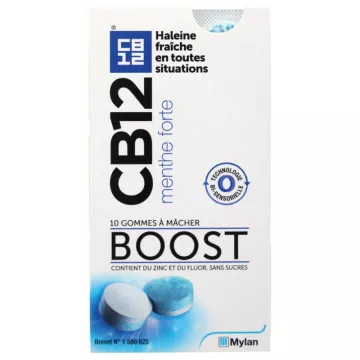
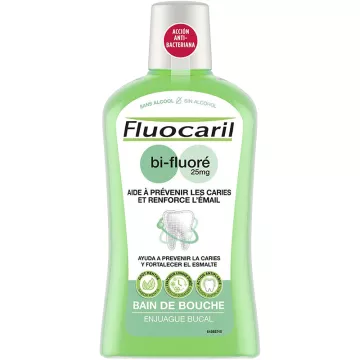
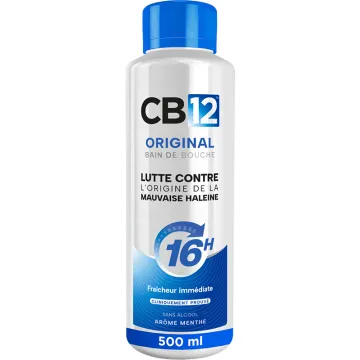
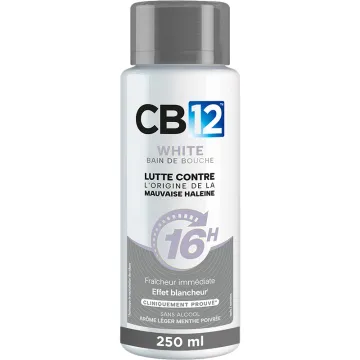
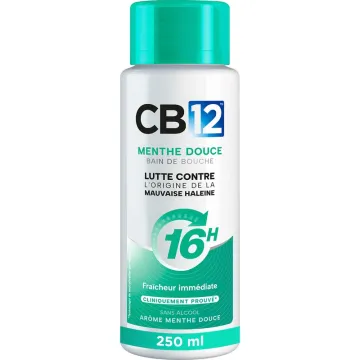
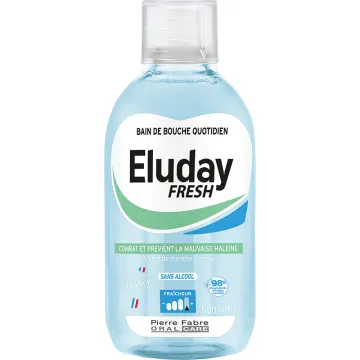
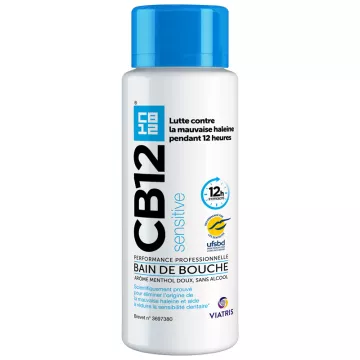
- Appropriate antibacterial mouthwash: chlorhexidine (0.12–0.2%) — proven effective against VLCs but use limited to 2–4 weeks (risk of staining and dysgeusia) — zinc chloride (chemically neutralizes VLCs) — chlorine dioxide (oxidizes sulfur compounds) — avoid alcohol-based mouthwashes (worsen xerostomia)
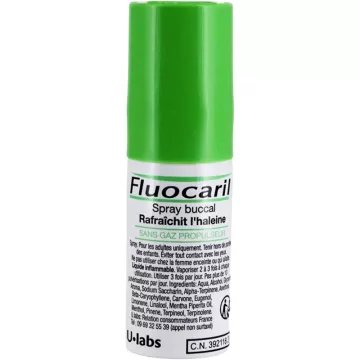
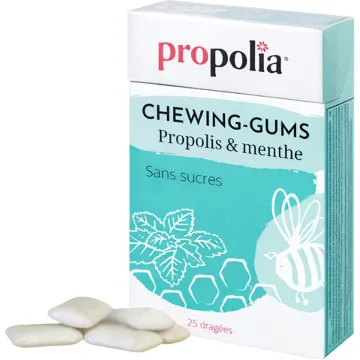
- Propolis: antibacterial properties against VLC-producing oral bacteria (including Porphyromonas gingivalis) — oral spray or solution to be used after brushing — natural complementary support to mouthwashes
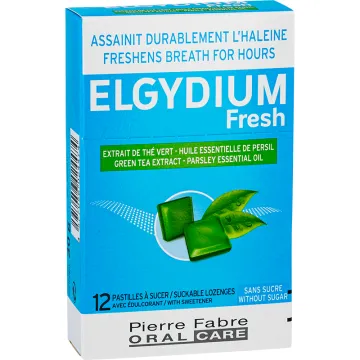
- Saliva stimulation: drink 1.5–2 L of water per day — chew sugar-free xylitol gum (stimulates saliva production + antibacterial) — avoid medications that reduce saliva production whenever possible (consult a doctor for alternatives) — raw vegetables and high-fiber foods mechanically stimulate saliva production
- Dentures and implants: clean daily with a dedicated brush + effervescent cleaning tablet — remove at night and soak in cleaning solution — consult your denturist if the dentures fit poorly (areas where food gets trapped) —dental appliance care products are available in the store