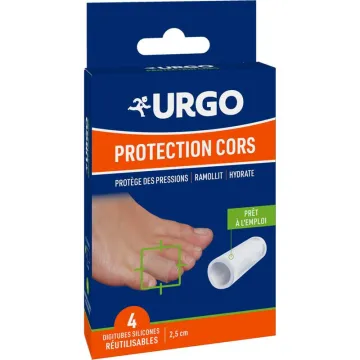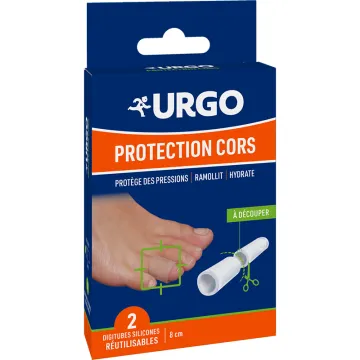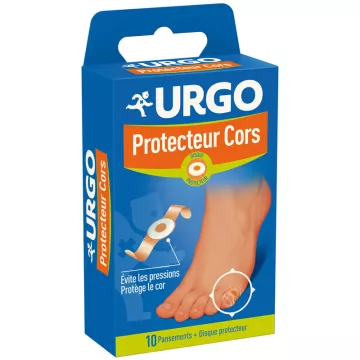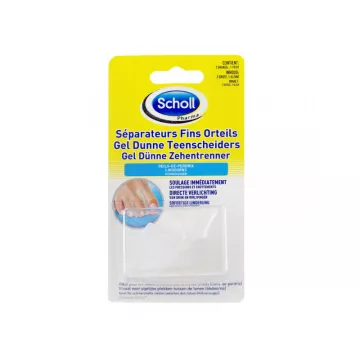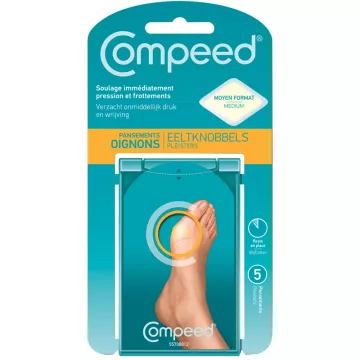

Several factors can trigger foot pain. The most common causes include overuse, ill-fitting shoes, repeated trauma, and certain medical conditions such as arthritis or diabetes. Repetitive activities or prolonged wear of ill-fitting shoes can also lead to the development of corns, calluses, or deformities such as bunions, which are sometimes accompanied by tired feet at the end of the day.
Symptoms vary depending on the underlying condition, but generally include pain, swelling, redness, or limited mobility. Other signs may appear over time: changes in the structure of the foot, joint deformities, or abnormal sensations such as tingling or numbness, which often indicate neurological involvement. Changes in the skin can also signal damaged feet requiring specific care.
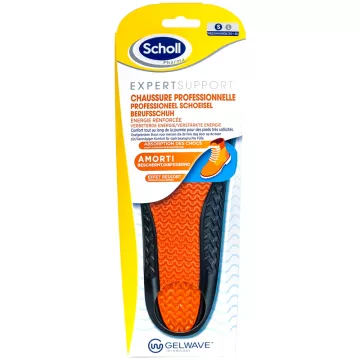
Treatment depends directly on the identified cause. Conservative approaches such as rest, applying ice, and elevating the foot provide rapid relief. The use of orthotic insoles or properly fitted shoes also improves foot comfort. In more severe cases, physical therapy, anti-inflammatory medications, or surgery may be necessary.
You can effectively prevent foot problems by choosing appropriate shoes that offer good support and enough room for your toes. Maintaining a healthy body weight significantly reduces the pressure on your feet. Also, adopt a regular routine of strengthening and stretching exercises, supplemented by appropriate daily foot care to maintain flexibility and circulation.
Seeing a podiatrist is essential when dealing with persistent pain. This professional provides an accurate diagnosis and recommends treatment tailored to each individual case. They can design custom orthotics, which are particularly effective at reducing pain, improving quality of life, and preventing further functional complications.
Simple strengthening and stretching exercises help maintain foot health. “Toe curls” (curling the toes) and “toe spreads” (spreading the toes) improve flexibility and muscle strength. You can also massage the soles of your feet with a tennis ball to release tension and stimulate local blood flow.
Diabetes often causes peripheral neuropathy, which leads to a gradual loss of sensation in the feet. This reduced sensitivity increases the risk of unnoticed injuries, which can quickly become infected. People with diabetes should inspect their feet daily—for cuts, sores, or changes in color—and see a specialist regularly for a thorough evaluation.
The choice of shoes directly affects pain prevention. Opt for shoes with a wide toe box that doesn’t squeeze the toes, good arch support, and a cushioned sole. Avoid high heels in favor of a reasonable heel height (ideally less than 4 cm); if you have a specific medical condition, opt for appropriate orthopedic shoes.
Orthotics are custom-made devices that you insert into your shoes to support, align, and improve foot function. Designed based on the exact shape of your foot, they treat various conditions such as plantar fasciitis, deformities, or biomechanical imbalances. They distribute pressure evenly across the arch, reduce pain, and prevent new injuries from developing.
Certain lifestyle changes directly affect foot health. Maintaining a stable weight, avoiding prolonged standing, and quitting smoking significantly improve foot comfort. Excess weight increases pressure on the arches, while quitting smoking stimulates blood circulation, which is essential for tissue healing and preventing infections.
To round out your routine, discover the full range of suitable products in our foot care category.