0
Menu

Fear or Anxiety: Valerian, Passionflower, and Magnesium

Filter
Number of products : 8
Sort
Sort
Close
Bach Flower Remedies Mimulus 20ml Original Mimulus Bach Flower Remedies Mimulus 20ml Original Mimulus
€11.99
Shipped within 24h
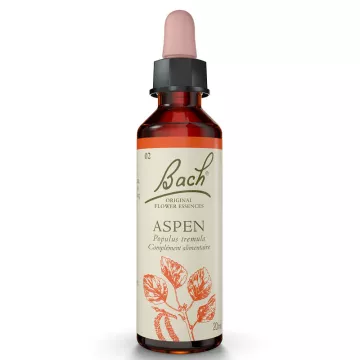
Bach Flower Aspen 20ml Original Aspen Bach Flower Aspen 20ml Original Aspen
€11.99
Shipped within 24h
Bach Flower Remedies: Mimulus 10 ml Inebios Mimulus No. 20 Bach Flower Remedies: Mimulus 10 ml Inebios Mimulus No. 20
€5.55
Shipped within 24h
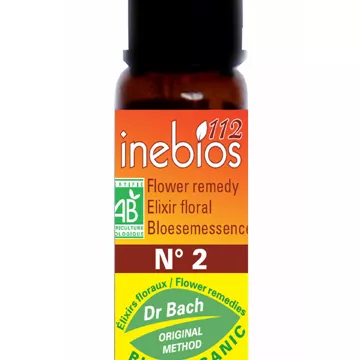
Bach Flower Remedies: Aspen 10 ml Inebios No. 2 Bach Flower Remedies: Aspen 10 ml Inebios No. 2
€5.55
Shipped within 24h
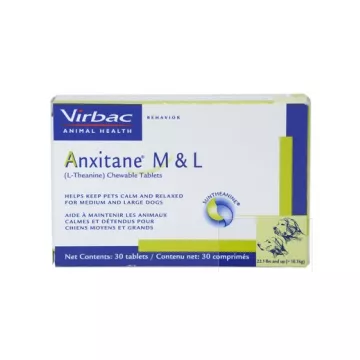
Anxitane M and L for Dog Anxiety Anxitane M and L for Dog Anxiety
€41.80
Sent in 5 in 7 working days
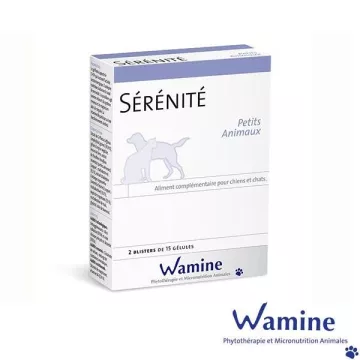
Wamine Sérénité 30 Anti-Stress Tablets for Dogs & Cats Wamine Sérénité 30 Anti-Stress Tablets for Dogs & Cats
€22.94
Shipped in 5 to 7 working days

What is fear, and how does it differ from anxiety?

Fear is a temporary emotional and physiological reaction to an identifiable threat, whether real or perceived. It triggers a rapid activation of the sympathetic nervous system—increased heart rate, rapid breathing, muscle tension—preparing the body to react (flight, fight, or freeze). This reaction is adaptive: it subsides once the threat has passed. Pathologicalanxiety differs from normal fear in several ways:

  • It is diffuse and persistent, without a clearly identifiable immediate threat
  • It significantly interferes with daily activities
  • It is disproportionate to the actual danger of the situation
  • It is often accompanied by anticipatory rumination about future events

This distinction is important because it determines the approach: occasional fear is often managed through techniques for immediate relief, whereas chronic or disproportionate anxiety requires a more comprehensive approach, or even professional support.

What are the most common causes of fear and anxiety?

The triggers for fear vary considerably from one person to another depending on their life experiences, but certain factors recur frequently:

  • Difficult past experiences: A traumatic event often leaves a lasting impact that heightens sensitivity to similar situations
  • New or uncertain situations: the unknown naturally activates the brain’s vigilance circuits
  • Accumulated chronic stress: Prolonged stress lowers the threshold for fear in situations that would normally be handled without difficulty
  • Nutritional deficiencies: A deficiency in magnesium or certain neurotransmitters amplifies the nervous system’s reactivity to anxiety-inducing situations
  • Lack of sleep: Sleep deprivation reduces the prefrontal cortex’s ability to regulate responses from the amygdala, the brain’s fear center

How can you manage fear and anxiety in daily life?

Several techniques can provide rapid relief in situations of acute fear. Deep, slow breathing—inhaling for 4 seconds, exhaling for 6 to 8 seconds—activates the vagus nerve and reduces sympathetic arousal within minutes. Mindfulness meditation, when practiced regularly, sustainably strengthens prefrontal control over the amygdala and reduces overall reactivity to fear in the long term. Gradual exposure—gradually confronting the source of fear in a safe setting—remains the most effective behavioral method for reducing sensitivity to a specific fear or phobia, typically guided by cognitive-behavioral therapy.

On a practical level, several complementary strategies support daily management:

  • Recognizing and accepting fear as a normal reaction rather than fighting it, which paradoxically reduces its intensity
  • Keeping a journal of anxiety-provoking situations to clarify thoughts and identify recurring patterns
  • Social support: sharing one’s fears with loved ones reduces the feeling of isolation when facing fear
  • A consistent sleep routine (7 to 9 hours per night) to maintain prefrontal regulation

What natural supplements help promote calm in the face of fear?

Magnesium bisglycinate (300 mg/day) reduces neuromuscular and nervous hyperexcitability, which amplifies fear responses—a deficiency, common in situations of chronic stress, lowers the threshold for triggering anxiety responses. Valerian (EMA: well-established use—valerenic acid) exerts a mild GABAergic anxiolytic effect, particularly useful for fears accompanied by nervous tension and associated difficulty falling asleep. Passionflower (EMA: well-established use) alleviates anxiety without causing dependence or excessive drowsiness, whether taken as a herbal tea or as a standardized extract. These natural approaches are intended for functional, occasional fear—disabling fear, severe phobias, or persistent anxiety that interferes with daily life require a medical or psychological consultation for appropriate management.