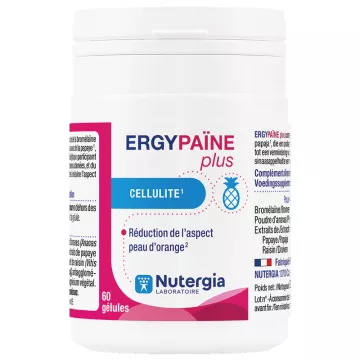
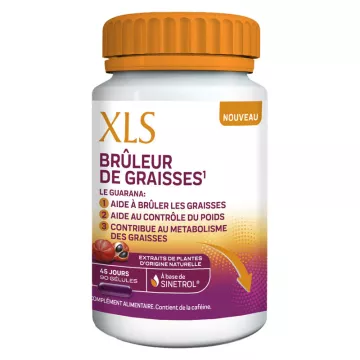
A fat deposit is a localized accumulation of fat cells (adipocytes) under the skin or around organs. It results from an imbalance between energy intake and expenditure, but there are many contributing factors: a diet high in refined sugars and saturated fats, a sedentary lifestyle, hormonal imbalances, genetic predisposition, and chronic stress. Cortisol, secreted in excess during periods of prolonged stress, promotes the storage of visceral abdominal fat in particular. The location of fat deposits—abdomen, thighs, buttocks, arms—is largely determined by each individual’s hormonal and genetic profile.
Diet is the primary lever for change. Reducing refined sugars and processed carbohydrates limits insulin spikes that promote lipogenesis—the production of new fat. Stabilizing blood sugar levels by eating low-glycemic-index foods (legumes, whole grains, fibrous vegetables) reduces this fat-storage mechanism. Foods to avoid first and foremost:
Physical activity is essential for triggering lipolysis—the breakdown of triglycerides stored in fat cells. Cardiovascular exercises (running, cycling, swimming) tap into fat reserves during prolonged, moderate-intensity activity, while strength training increases lean body mass and boosts resting energy expenditure. Combining both types of exercise yields the best results. A weight-loss program that includes a structured exercise routine enhances the effect compared to dietary restriction alone.
Lymphatic and vascular drainage does not burn fat directly, but it promotes the circulation of interstitial fluids and the elimination of metabolic waste. Good blood circulation optimizes oxygenation of adipose tissue and facilitates the removal of fatty acids released during lipolysis. Draining massages and green tea —a mild diuretic and thermogenic—complement this action by reducing water retention, which is often mistaken for excess fat.
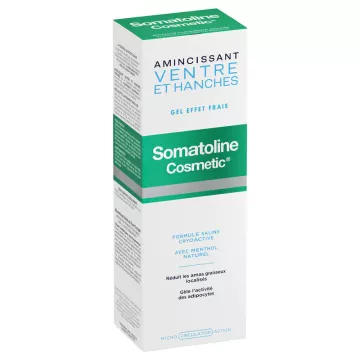
Topical slimming treatments target the skin’s surface rather than deep-seated fat. They can improve skin firmness, stimulate local microcirculation, and reduce the dimpled appearance associated with cellulite. The most commonly used active ingredients—caffeine, cosmetic retinol, English ivy, and L-carnitine—have a firming or draining effect, but their effectiveness depends on regular application with massage and a healthy lifestyle. They are not a substitute for a healthy diet and exercise.
To achieve lasting results, you need to adopt long-term lifestyle habits:
A balanced figure and lasting results are rarely achieved through a single, isolated intervention: it is the overall consistency of one’s lifestyle that determines their longevity.