What are electrolytes, and why are they essential?
Electrolytes are electrically charged mineral ions dissolved in bodily fluids (plasma, interstitial fluid, intracellular fluid) that are capable of conducting biological electrical current. They regulate cellular hydration, nerve transmission, and muscle contraction. Our sports wellness line offers comprehensive electrolyte formulas for athletes and people of all fitness levels. For individual electrolytes, see our pages on magnesium, calcium, and phosphorus.
- Main cations: Na⁺ (sodium, 140 mEq/L extracellular — regulates extracellular volume and blood pressure) — K⁺ (potassium, 140 mEq/L intracellular — regulates membrane resting potential) — Mg²⁺ (magnesium, ATP cofactor + muscle relaxation) — Ca²⁺ (calcium, muscle contraction + blood clotting + bones)
- Major anions: Cl⁻ (chloride—passively follows sodium, acid-base balance) — HCO₃⁻ (bicarbonate, primary blood pH buffer) — HPO₄²⁻ (phosphate, ATP energy + intracellular buffer) — anionic proteins (albumin — maintenance of oncotic pressure)
- Na/K-ATPase pump: ubiquitous enzyme — expels 3 Na⁺ for every 2 K⁺ that enter — maintains the electrochemical gradient — consumes 30–40% of cellular ATP — basis of all action potentials (nervous, muscular, cardiac)
- Plasma osmolality: 280–295 mOsm/kg — dominated by sodium — variation → movement of water between compartments (osmosis) — hypernatremia → intracellular dehydration → neurons → confusion + coma
- Electroneutrality: the sum of cations = the sum of anions in each compartment—the anion gap (Na⁺ − [Cl⁻ + HCO₃⁻] = 12 ± 4 mEq/L) is a key diagnostic tool (metabolic acidosis, poisonings)
Electrolyte Imbalances: Emergencies and Symptoms
- Hyponatremia (Na⁺ < 135 mEq/L): the most common cause of electrolyte imbalances in the hospital setting — nausea + headache + confusion + seizures if < 125 mEq/L — causes: polydipsia (excessive water intake), SIADH, thiazide diuretics, heart failure — slow correction is mandatory (< 10 mEq/L/24h → risk of centropontine myelinolysis)
- Hypokalemia (K⁺ < 3.5 mEq/L): cramps + muscle weakness + prolonged QT interval → torsades de pointes — causes: loop diuretics, chronic vomiting, corticosteroids
- Hyperkalemia (K⁺ > 5.5 mEq/L): cardiac emergency — bradycardia + ventricular fibrillation — causes: chronic kidney disease (CKD), ACE inhibitors/ARBs, spironolactone, rhabdomyolysis — urgent ECG
- Hypercalcemia (Ca²⁺ > 2.75 mmol/L): “bones, stones, groans, psychic moans” (bone pain + kidney stones + abdominal pain + psychiatric symptoms) — causes: primary hyperparathyroidism, bone metastases, sarcoidosis
- Hypomagnesemia (Mg²⁺ < 0.75 mmol/L): tetany + cramps + arrhythmias + resistance to potassium correction — common with diuretics + prolonged PPI use + alcoholism — correct before correcting refractory hypokalemia
Electrolytes, Sports, and Rehydration
- Sweat loss: sweat contains Na⁺ (600–1,500 mg/L) + Cl⁻ + K⁺ (150–300 mg/L) + Mg²⁺ (10–20 mg/L) — 1-hour exercise in the heat = 1–3 L of sweat → 600–3,000 mg Na lost → cramps + decreased performance if not compensated
- Homemade rehydration drink: 1 L of lukewarm water + 1 teaspoon of salt (6 g NaCl) + 4 tablespoons of sugar + 1 teaspoon of baking soda — or lemon juice + water + honey + a pinch of salt — replicates the composition of the WHO ORS
- ORS (Oral Rehydration Solution): Na⁺ 75 mEq/L + glucose 75 mmol/L + K⁺ 20 mEq/L + Cl⁻ 65 mEq/L + citrate 10 mEq/L — sodium-glucose cotransporter (SGLT1) = maximum absorption — essential for gastroenteritis, diarrhea, and dehydration in children
- Isotonic sports drinks (osmolality 270–330 mOsm/kg): Na⁺ 400–1,000 mg/L + carbohydrates 6–8% + K⁺ + Mg²⁺ — absorbed faster than plain water — recommended after 1 hour of continuous exercise or intense heat exposure — hypotonic for exercise lasting < 1 hour (lower carbohydrate content)
- Older adults: reduced sense of thirst + impaired kidney function → rapid dehydration → confusion + falls + hospitalization — drink 1.5 L/day without waiting until thirsty — monitor electrolyte levels if taking diuretics, ACE inhibitors, or ARBs
Supplementation, Diet, and Medical Precautions
- Key electrolyte-rich foods: sodium (sea salt, olives, cheese) — potassium (bananas, avocados, spinach, sweet potatoes) — magnesium (dark chocolate, pumpkin seeds, legumes, nuts) — calcium (dairy products, almonds, leafy greens, calcium-enriched water)
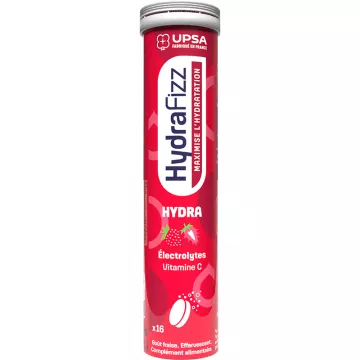
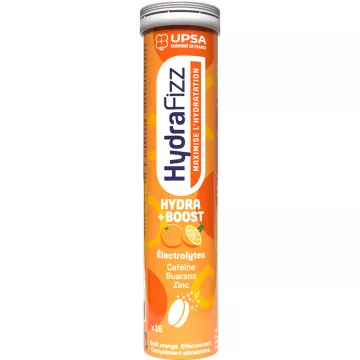
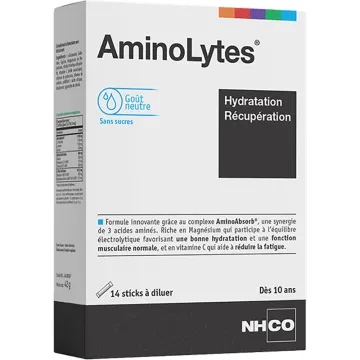
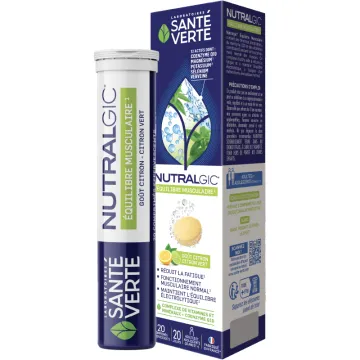
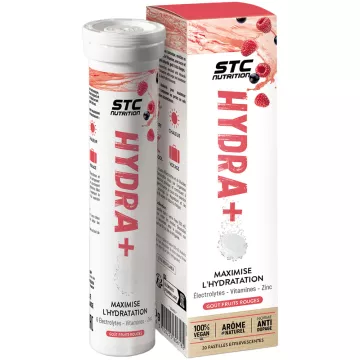
- Supplementation with effervescent tablets or powders: complete sports formulas — Na + K + Mg + Cl + carbohydrates — to be dissolved in 500 mL of water — to be used before, during, or after exercise, depending on the product format
- Dangerous excesses: hypernatremia (hypertension + edema + chronic kidney disease) — hyperkalemia (arrhythmias; contraindication for potassium supplements if taking ACE inhibitors/ARBs/spironolactone) — hypercalcemia (kidney stones, lithiasis) — never supplement without an electrolyte panel if you have chronic kidney disease (CKD) or are on cardiac medication
- Drug interactions: loop and thiazide diuretics → Na, K, and Mg depletion → supplement or monitor regularly — corticosteroids → hypokalemia → K and Mg — ACE inhibitors/ARBs → hyperkalemia → do not supplement with K
- Seek urgent medical attention if: severe cramps + palpitations + confusion + bilateral edema + intense thirst + oliguria — perform an emergency blood electrolyte panel — hospitalize if severe electrolyte imbalance