The ear canal extends from the outer ear opening to the eardrum. It transmits sound in the form of vibrations and helps maintain ear health through the earwax it naturally produces. Keeping this canal clean and healthy is essential for good hearing and for preventing complications.
What is the ear canal?
The ear canal is the bony and cartilaginous channel that connects the outer ear to the eardrum. It is lined with a thin layer of skin that secretes earwax, a natural protective film that traps dust and microorganisms before they reach the eardrum.
How do you properly clean the ear canal?
The ear canal has its own self-cleaning mechanism. Proper ear hygiene ensures that this natural process is not disrupted.
- Clean only the outer ear and the external opening with a soft, damp cloth
- Never insert a cotton swab: it pushes earwax deeper into the ear and may damage the eardrum
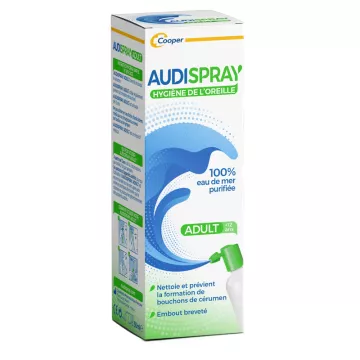
- If you experience discomfort, use appropriate ear-cleaning solutions, available at pharmacies
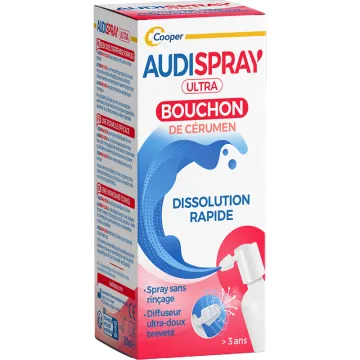
- For a confirmed earwax blockage, consult a healthcare professional to have it safely removed
What causes ear problems?
Several factors can interfere with the proper functioning of the ear canal.
- Earwax buildup: While useful in small amounts, excess earwax can block the ear canal and reduce hearing
- Outer ear infections: Bacteria or fungi thrive in residual moisture (after swimming)
- Trauma: insertion of objects or sudden changes in pressure
How can you prevent ear canal infections?
A few simple preventive measures can protect the ear canal on a daily basis.
- Gently dry your ears after swimming or showering (use a hair dryer on the low setting)
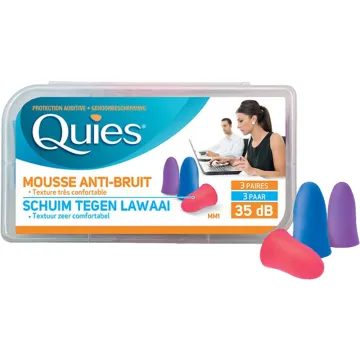
- Wear earplugs while swimming to limit water entering the ear
- Avoid prolonged exposure to loud noises; use appropriate hearing protection
- Do not insert anything into the ear canal
What are the signs of an ear problem?
Certain symptoms indicate a problem with the ear canal that requires medical attention.
- Acute or persistent ear pain
- Redness, swelling, or unusual discharge
- Intense itching and a feeling of a blocked ear
- Hearing loss or tinnitus
These symptoms may indicate an ear infection or another ENT condition. See a doctor for an accurate diagnosis.
When Should You See an Ear Specialist?
A medical consultation is essential for any persistent or unusual symptoms. An ENT doctor can examine the ear canal thoroughly, clean the ear safely, and prescribe the appropriate treatment. Untreated ENT infections can lead to serious hearing complications.
- Pain, discharge, or hearing loss lasting more than 48 hours
- Suspected bothersome earwax blockage
- Ringing in the ear or a persistent feeling of fullness
- Any recurring problem, such as repeated ENT infections
Content reviewed by Arnaud, Ph.D. in Pharmacy.